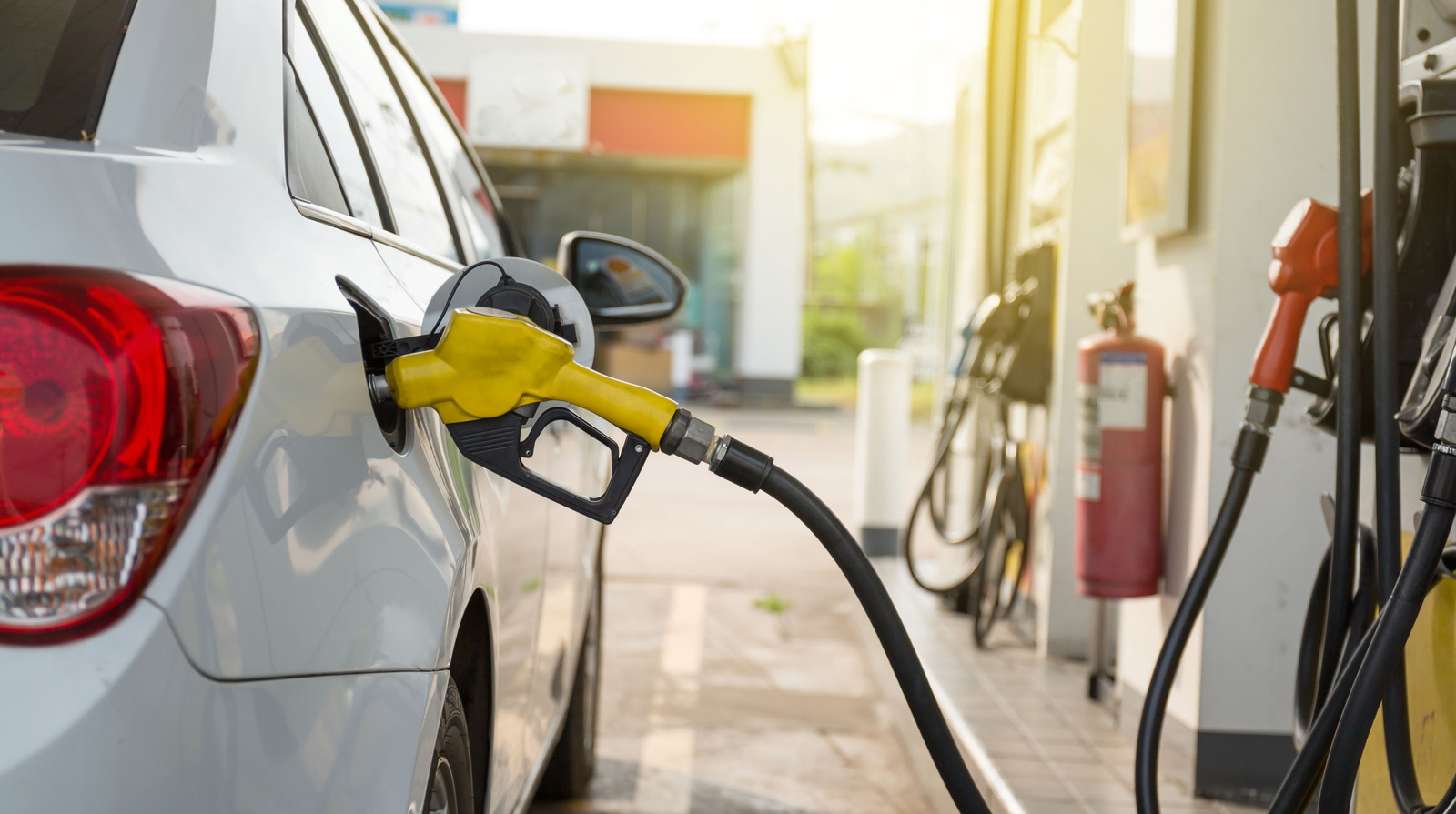
You know that little ritual of topping off your gas tank? You pull up to the pump, and after filling up, you just can’t resist squeezing that handle a bit longer to get every last drop in. It feels satisfying, right? But here’s the kicker: that habit might actually be doing more harm than good for your car. Let’s dive into why topping off your gas tank could be a risky move for your vehicle’s health.
What Happens When You Top Off Your Tank?
When you top off your gas tank, you’re essentially forcing more fuel into a space that’s already full. Most modern cars are equipped with a vapor recovery system designed to capture fuel vapors and prevent them from escaping into the atmosphere. When you overfill the tank, you can overwhelm this system, leading to potential damage. The excess fuel can spill into the charcoal canister, which is a crucial component of the evaporative emissions system. If this gets saturated, it can lead to costly repairs and even trigger the check engine light.
The Risk of Fuel Spills
Let’s not forget about the environmental impact. Overfilling your tank can lead to fuel spills, which not only waste gasoline but also contribute to pollution. Gasoline is toxic, and when it spills, it can seep into the ground, harming local ecosystems. So, while you might think you’re saving money by squeezing in that extra gallon, you could be causing more harm than good.
Fuel Economy Myths
You might believe that topping off will improve your fuel economy, but that’s a myth. In reality, having a full tank can add extra weight to your vehicle, which can slightly decrease fuel efficiency. While the difference might be negligible for most drivers, it’s worth considering that the best way to maximize fuel economy is through regular maintenance and smart driving habits rather than trying to squeeze every last drop of gas into your tank.
What Should You Do Instead?
So, what’s the alternative? Simply stop topping off your tank. Fill it up to the recommended level and leave it at that. If you’re concerned about running out of gas, consider planning your trips better or using apps that help you find the cheapest gas nearby. Keeping your tank between a quarter and three-quarters full is generally a good practice. This not only helps maintain your fuel system but also reduces the risk of running into issues with sediment buildup in the tank.
A Better Approach to Fuel Management
If you’re looking for ways to enhance your vehicle’s performance and longevity, focus on regular maintenance. This includes timely oil changes, checking tire pressure, and ensuring your fuel system is clean. By taking care of these aspects, you’ll likely see better fuel efficiency and a smoother ride.
The big takeaway? Topping off your gas tank isn’t about getting the most for your money—it’s about smarter adjustments. Start with one change this week, and you’ll likely spot the difference by month’s end. Your car will thank you, and so will the environment.