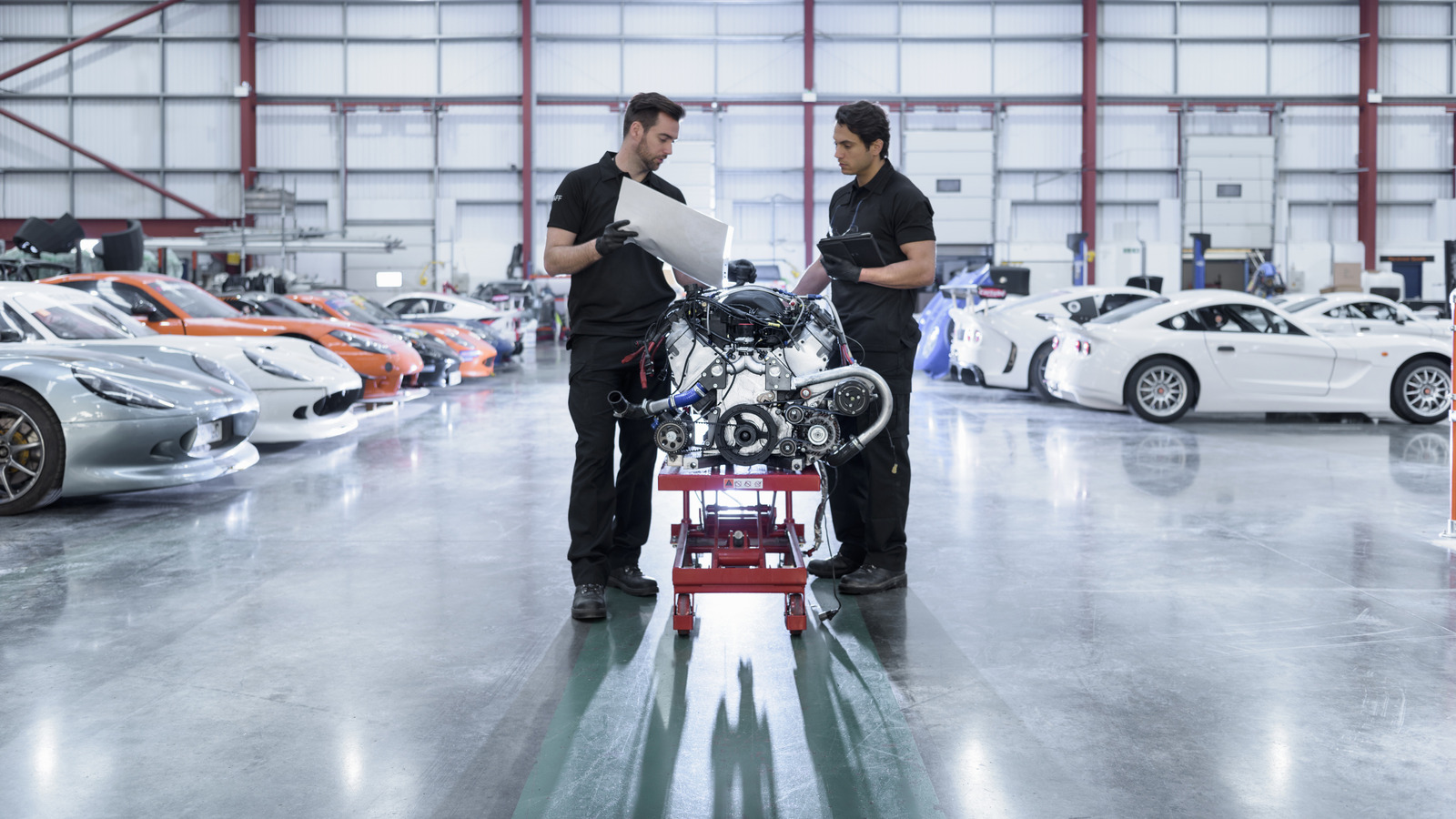
Which Cars Share Engines, and Why Do Automakers Do It?
Ever wondered why a luxury sedan and a rugged SUV might purr with the same engine under the hood? It’s not just a quirky coincidence. Designing a new engine from scratch is a massive investment—think years of R&D and millions in costs. So, automakers often borrow or share engines across different models, and sometimes even between brands. The result? You might spot the same powerplant in vehicles you’d never expect to be related.
How Does Engine Sharing Actually Work?
When you hear that two wildly different cars share an engine, it’s easy to picture some Frankenstein scenario. In reality, it’s a smart, strategic move. Brands under the same corporate umbrella—like Volkswagen Group or Stellantis—routinely develop engines intended for use in multiple vehicles. Sometimes, even rivals strike deals to swap technology.
Take the Toyota 86 and Subaru BRZ, for example. Both are sporty coupes, but they’re built by two different companies. Yet, pop the hood and you’ll find the same flat-four engine. Or consider the Mercedes-Benz A-Class and Infiniti Q30—distinctly styled, but both powered by a Mercedes-developed turbocharged four-cylinder.
What’s the Upside for Drivers?
You might wonder if engine sharing means you’re getting a watered-down experience. Not necessarily. In fact, shared engines often benefit from more rigorous testing and refinement, since they’re used in higher volumes. That means more reliability data, easier sourcing for replacement parts, and sometimes even better performance tweaks as the engine matures.
For example, the Ford EcoBoost 2.3-liter turbo engine powers everything from the Mustang to the Ford Ranger pickup and even the Focus RS hot hatch. Each car tunes the engine differently, but the core technology remains the same—delivering punchy power and proven reliability.
Are There Any Surprising Pairings?
Absolutely. Some of the most unexpected engine swaps have become automotive legends. The Lotus Elise, a lightweight British sports car, once used a Toyota-sourced four-cylinder. Meanwhile, the Volvo XC90 luxury SUV has been powered by the same base engine as the humble Ford Focus in certain markets, thanks to a past partnership.
Then there’s the case of the Jeep Grand Cherokee and the Maserati Levante—both have been offered with versions of the same Ferrari-derived V8. Talk about a wild family tree.
Does Engine Sharing Affect Performance or Character?
Here’s where things get interesting. Even if two cars share an engine, their personalities can be worlds apart. Tuning, exhaust design, and even the way the engine is mounted all play a role in shaping how a car feels. A turbocharged four-cylinder might sound refined and quiet in a luxury sedan, but snarl with aggression in a compact sports car.
Manufacturers are experts at tailoring the same engine to fit different driving experiences. That’s why a Volkswagen Golf GTI and an Audi A3 can feel so distinct, even though they share the same turbocharged heart.
What About Reliability and Maintenance?
Engine sharing often works in your favor when it comes to reliability and upkeep. With more vehicles using the same engine, automakers gather more data on what works and what doesn’t. That can lead to quicker fixes for common issues and a wider availability of parts. Plus, mechanics are more likely to be familiar with a widely used engine, which can mean faster, cheaper repairs.
A 2023 study from J.D. Power found that vehicles with shared powertrains tend to have lower average repair costs over five years, compared to models with unique, low-volume engines. That’s a win for your wallet.
Do Shared Engines Limit Innovation?
It’s a fair question. If everyone’s using the same engines, does it stifle creativity? Not really. Engine sharing frees up resources for brands to innovate elsewhere—think advanced safety tech, unique chassis tuning, or bold design. Plus, as emissions regulations get stricter worldwide, pooling R&D for cleaner, more efficient engines just makes sense.
Look at the rise of hybrid and electric powertrains. Many automakers are collaborating on battery and motor tech, accelerating the shift to greener cars. It’s a new chapter in engine sharing, with benefits that go far beyond the bottom line.
The Big Takeaway: Engine Sharing Is About Smart Choices
Engine sharing isn’t about cutting corners—it’s about making smarter, more sustainable decisions. Next time you see two totally different cars with the same engine, remember: it’s not a shortcut, it’s a sign of clever engineering. The big takeaway? Engine sharing isn’t about perfection—it’s about smarter adjustments. Start with one change this week, and you’ll likely spot the difference by month’s end.