
What Actually Causes Those Stubborn Oil Stains on Your Driveway?
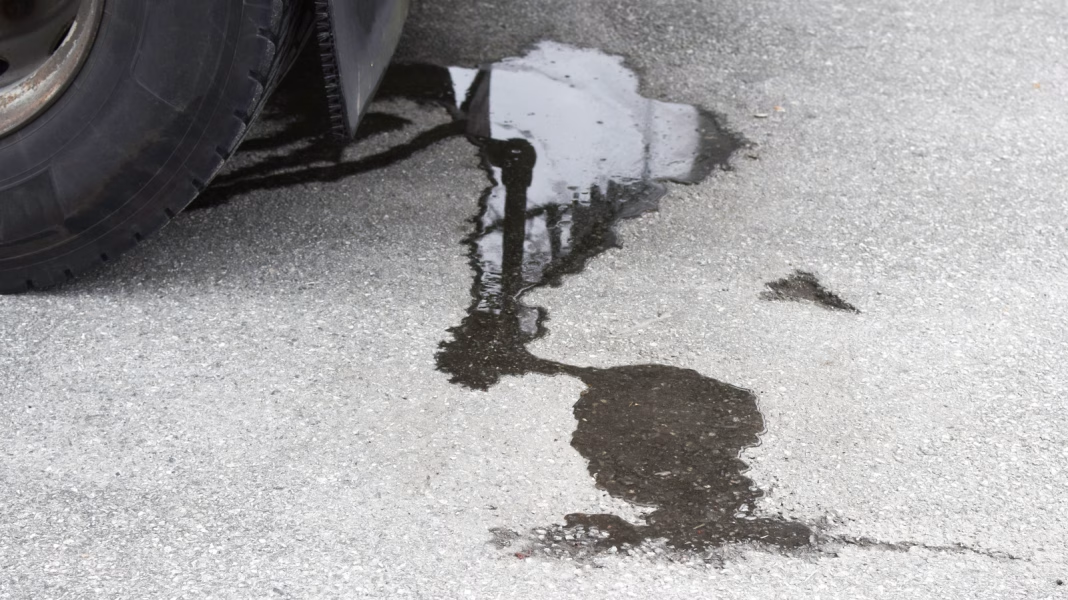
If you’ve ever pulled into your driveway and spotted a dark, greasy patch where your car was parked, you’re not alone. Oil stains are a common headache for homeowners, and they’re not just an eyesore—they can also make your driveway slippery and even degrade the concrete over time. So, what’s behind these pesky marks? It’s usually engine oil or transmission fluid that’s leaked from your car, and once it seeps into porous concrete or asphalt, it clings on for dear life. The longer it sits, the harder it is to remove.
Why Do Kitty Litter and Baking Soda Work—And Are They Enough?
Most folks reach for kitty litter or baking soda when they spot a fresh oil spill. There’s a good reason for that: both are absorbent and can pull oil out of the surface before it sets. Kitty litter, especially the clay-based kind, acts like a sponge, soaking up the oil if you let it sit for a few hours (or overnight, for best results). Baking soda works similarly, and it’s also mildly abrasive, which helps scrub away residue.
But here’s the catch: these methods are great for fresh stains, not so much for the ones that have been baking in the sun for weeks. If you’re dealing with a stubborn, old stain, you’ll need to get a little more creative.
What Are Some Unexpected DIY Tricks for Tough Oil Stains?
Ready for some curveballs? Believe it or not, there are a few unconventional household items that can tackle oil stains when the usual suspects fall short.
Cola: Yes, the same soda you might sip on a hot day. Pour a can of cola over the stain, let it fizz and soak for a few hours, then rinse with water. The acids in cola help break down the oil, and the carbonation can lift it from the surface. It’s quirky, but it works—especially on lighter stains.
WD-40: This lubricant isn’t just for squeaky hinges. Spray a generous amount on the stain, let it sit for 20 minutes, then scrub with a stiff brush and rinse. WD-40 breaks down the oil’s structure, making it easier to wash away. Just be sure to rinse thoroughly so you don’t leave behind a slippery patch.
Dish Soap and Hot Water: Good old dish soap (think Dawn or any grease-cutting brand) is a classic for a reason. Mix it with hot water, pour it over the stain, and scrub with a stiff brush. For extra punch, sprinkle a little baking soda on top before scrubbing. This combo is especially effective for recent spills.
Oven Cleaner: For truly stubborn, set-in stains, spray a layer of oven cleaner over the area and let it sit for 10-15 minutes. Scrub and rinse well. Oven cleaner is designed to cut through baked-on grease, so it’s no surprise it can tackle driveway oil too. Just use gloves and avoid breathing in the fumes.
Does Pressure Washing Really Work, or Is It Overkill?
Pressure washers can be a game-changer for deep-set oil stains, but they’re not a silver bullet. If you use one, make sure to pair it with a degreasing agent—otherwise, you might just spread the oil around. According to a 2023 survey by the American Concrete Institute, combining a degreaser with high-pressure water removed up to 85% of visible oil stains in test driveways. That’s a big jump compared to scrubbing alone.
A word of caution: Too much pressure can damage the surface, especially on older or cracked concrete. Start with a lower setting and work your way up. And always test a small area first.
Are There Eco-Friendly Options That Actually Work?
If you’re looking to avoid harsh chemicals, there are greener solutions worth trying. Try sprinkling cornstarch or sawdust over a fresh spill to absorb the oil, then sweep it up and dispose of it properly. For older stains, a paste of baking soda and vinegar can help lift the oil without harming plants or pets. Just let it bubble for a few minutes, scrub, and rinse.
Some specialty eco-friendly degreasers are now available at hardware stores, and many are plant-based. Look for products certified by the EPA’s Safer Choice program for peace of mind.
How Can You Prevent Oil Stains in the First Place?
Prevention is always easier than cleanup. Regularly check your vehicle for leaks and address them promptly. If you know your car drips oil, consider placing a drip pan or absorbent mat under the engine. Sealing your driveway every few years can also help repel oil and make cleanup easier.
A little vigilance goes a long way. According to a 2022 HomeAdvisor report, homeowners who sealed their driveways and used absorbent mats saw a 60% reduction in oil stains over a 12-month period.
What If Nothing Seems to Work?
Sometimes, despite your best efforts, a stain just won’t budge. In these cases, you might consider a concrete stain or resurfacing product to camouflage the mark. These are available in a range of colors and can give your driveway a fresh look while hiding imperfections.
If you’re dealing with asphalt, cold-patch repair kits can fill in and cover stubborn spots. It’s not a perfect fix, but it beats staring at that blotch every time you pull in.
The big takeaway? Getting oil stains out of your driveway isn’t about perfection—it’s about smarter adjustments. Start with one change this week, and you’ll likely spot the difference by month’s end.
