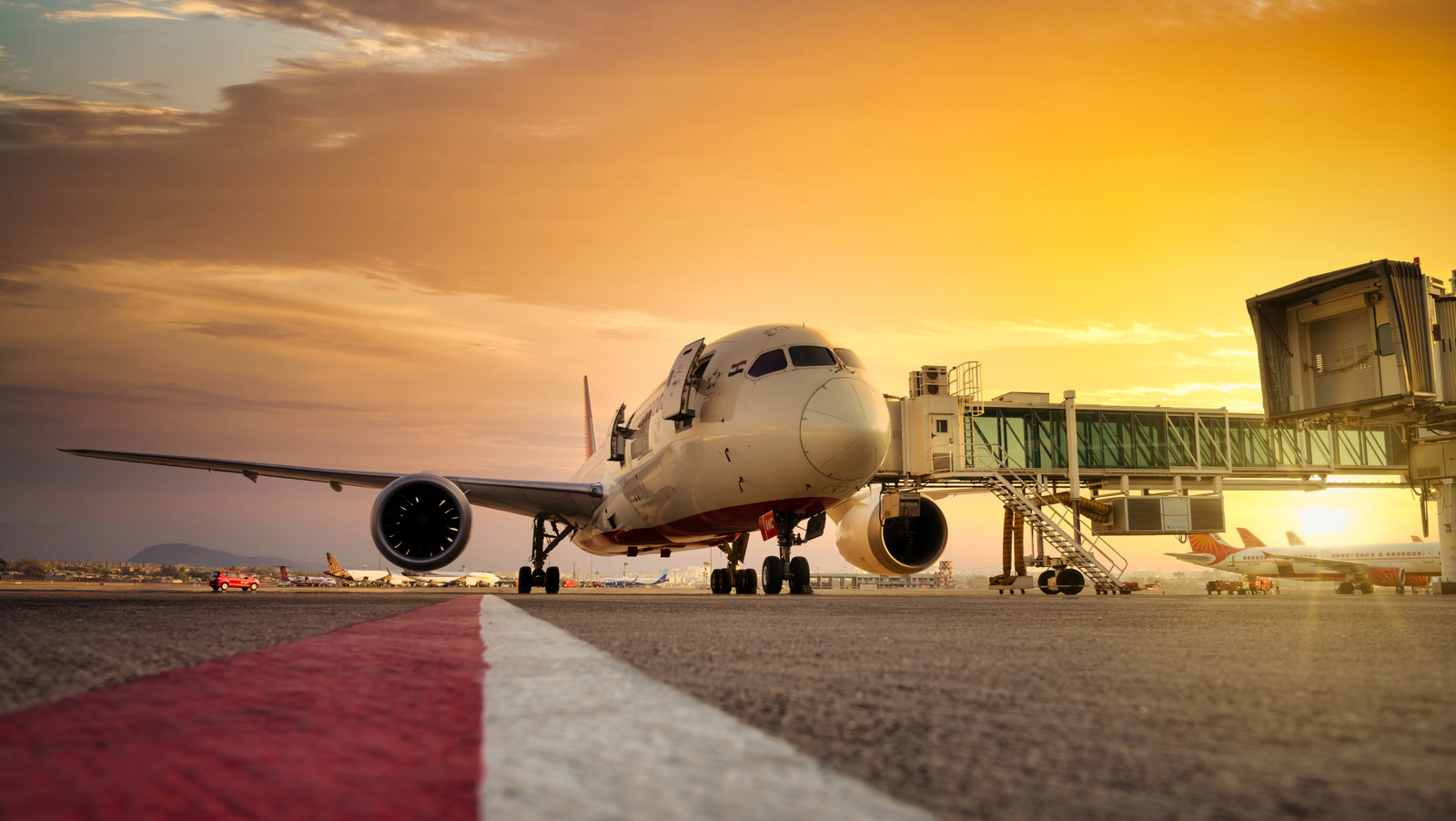
Is Boeing Still Leading the Pack Among American Airplane Manufacturers?
If you’ve followed the headlines lately, you’ve probably noticed Boeing’s name popping up for all the wrong reasons. From high-profile safety incidents to production slowdowns, it’s fair to wonder: is Boeing still America’s top airplane manufacturer, or has someone else quietly taken the crown?
What’s Been Going On With Boeing Lately?
Boeing has long been synonymous with American aviation. For decades, its jets have carried millions across the globe, and its innovations have shaped the way we fly. But the last few years have been rocky. The 737 MAX crisis, ongoing quality control issues, and supply chain disruptions have all taken a toll. According to the Federal Aviation Administration, Boeing faced increased scrutiny after a series of incidents, including the infamous door plug blowout on a 737 MAX 9 in early 2024. These setbacks have led to production halts and a loss of confidence among airlines and travelers alike.
Has Another American Manufacturer Surpassed Boeing?
Here’s the twist: while Boeing has been in the spotlight for its troubles, another American company has been quietly making moves. Enter Airbus, the European giant with a major manufacturing presence in the United States, particularly in Mobile, Alabama. In 2023, Airbus delivered more commercial aircraft worldwide than Boeing for the fifth year in a row, according to data from the International Air Transport Association (IATA). While Airbus isn’t an American company by origin, its U.S. operations have expanded rapidly, and it’s now a major employer and producer on American soil.
But if we’re talking strictly about American-headquartered manufacturers, Boeing is still the largest by volume and revenue. However, the gap is narrowing. Smaller players like Gulfstream and Lockheed Martin focus on different segments—private jets and military aircraft, respectively—so they’re not direct competitors in the commercial airline space.
How Are Airlines Responding to Boeing’s Setbacks?
Airlines are pragmatic. They want reliable planes delivered on time. With Boeing’s recent delays, some U.S. carriers have started diversifying their fleets, placing more orders with Airbus and even considering newer entrants like Embraer for regional routes. United Airlines, for example, has publicly expressed frustration over Boeing’s delivery delays, prompting them to adjust their growth plans and look elsewhere for new aircraft.
This shift isn’t just about frustration—it’s about risk management. Airlines can’t afford to have all their eggs in one basket, especially when that basket has been rattled by regulatory and production woes.
What Does This Mean for Travelers and the Aviation Industry?
For the average traveler, the impact might not be obvious at first glance. Planes still take off and land every day. But behind the scenes, these shifts affect everything from ticket prices to route availability. If airlines can’t get new planes on schedule, they might delay launching new routes or upgrading older aircraft. That can mean fewer options and, in some cases, higher fares.
From an industry perspective, competition is heating up. Airbus’s U.S. manufacturing presence means it can deliver planes to American airlines faster and with fewer logistical headaches. This increased competition could ultimately benefit travelers by pushing both companies to improve quality and efficiency.
Is Boeing Making a Comeback, or Is This the New Normal?
Boeing isn’t down for the count. The company has taken steps to address safety and quality concerns, bringing in outside experts and overhauling its production processes. CEO Dave Calhoun announced in early 2024 that Boeing would slow down production to focus on quality over quantity—a move that’s won cautious praise from regulators and industry analysts.
Still, rebuilding trust takes time. Some industry insiders believe it could be several years before Boeing fully regains its former dominance. In the meantime, Airbus’s foothold in the U.S. market continues to grow, and airlines are hedging their bets.
What Should You Watch For Next?
Keep an eye on upcoming aircraft deliveries and new airline orders. If Boeing can demonstrate consistent quality and timely deliveries, it could start to win back lost ground. Watch for regulatory updates from the FAA, as well as announcements from major airlines about their fleet plans. These will be the real indicators of whether Boeing is regaining its footing or if the balance of power is shifting for good.
The big takeaway? Dominance in aviation isn’t about perfection—it’s about smarter adjustments. Start with one change this week, and you’ll likely spot the difference by month’s end. Whether you’re a frequent flyer or just an aviation enthusiast, the skies are changing—and it’s worth paying attention to who’s building the planes that get us there.