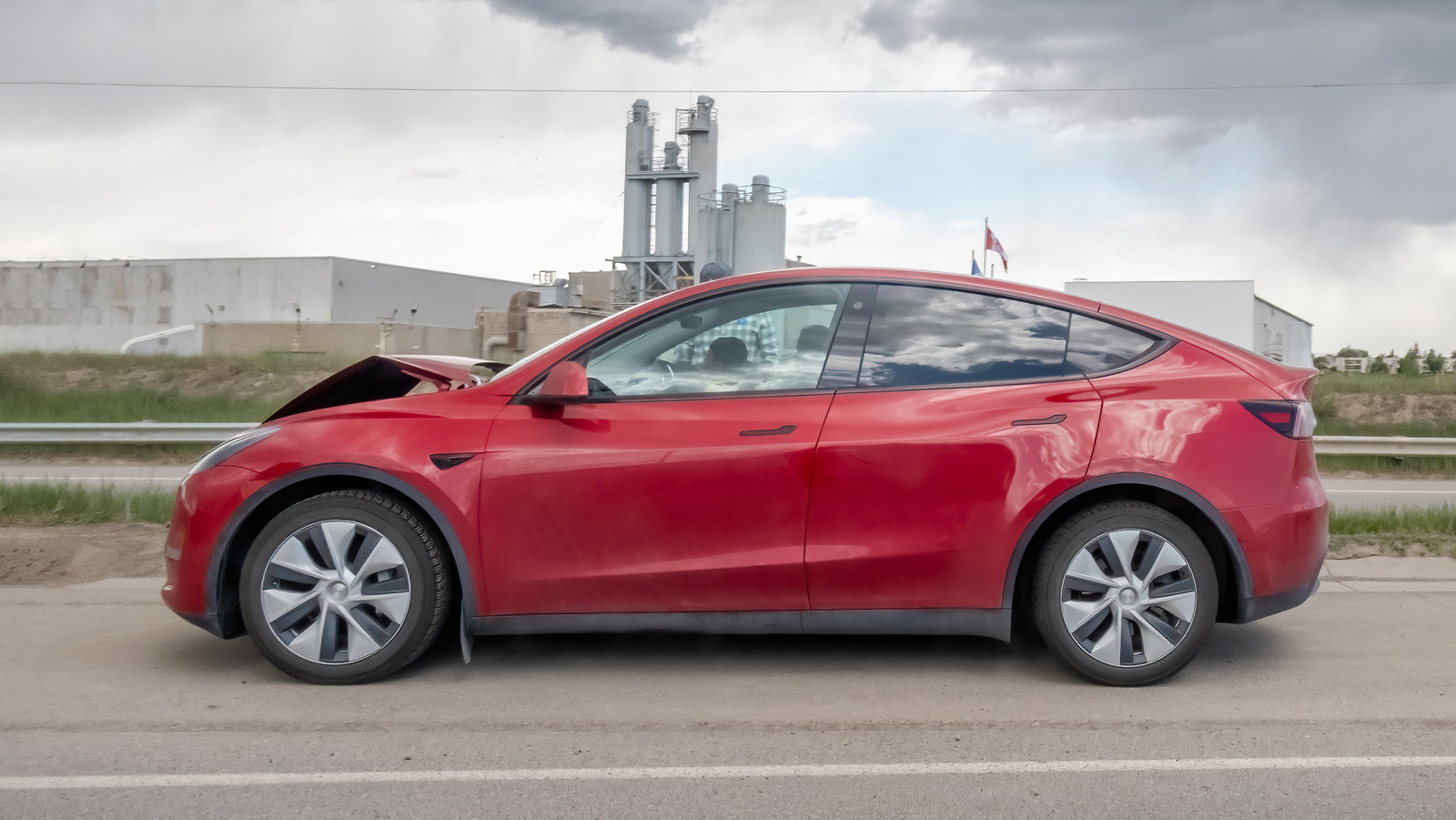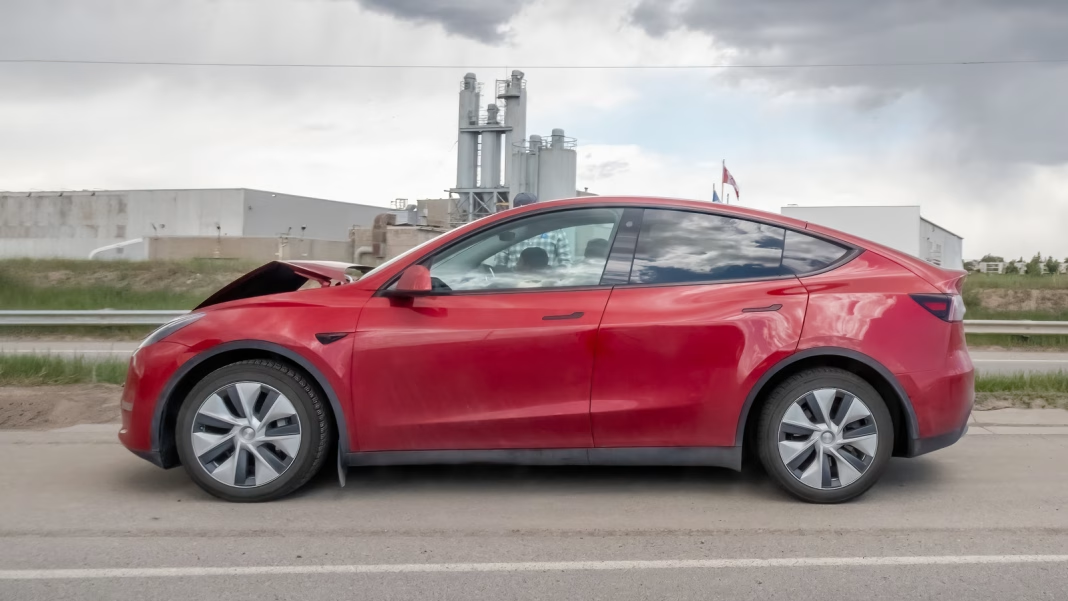
What Happened in the High-Speed Tesla Model Y Crash?
A Tesla Model Y was reportedly traveling at speeds up to 126 mph when it struck a motorcyclist, launching the rider nearly 500 feet down the road. After the initial impact, the Tesla continued on and collided with a Ram 1500 pickup truck. The severity of the crash and the tragic outcome have raised pressing questions about driver responsibility, vehicle safety, and the role of advanced automotive technology in preventing—or failing to prevent—catastrophic accidents.
How Did Speed and Impact Contribute to the Severity of the Crash?
Traveling at 126 mph on public roads is not just illegal—it’s incredibly dangerous. At that velocity, a vehicle covers nearly 185 feet per second. That means even a split-second distraction or miscalculation can have devastating consequences. The force generated in a collision at such speeds is exponentially higher than at legal highway limits, which is why the motorcyclist was thrown such a staggering distance. According to the National Highway Traffic Safety Administration (NHTSA), the risk of fatality in a crash increases dramatically as speed rises, with the odds nearly doubling for every 10 mph over 50 mph.
What Role Did Tesla’s Technology Play—Or Not Play—In This Incident?
Tesla vehicles are known for their advanced driver-assistance features, including Autopilot and collision avoidance systems. However, these technologies are not foolproof. They require the driver to remain attentive and ready to take control at any moment. In this case, it’s not clear whether any driver-assist features were engaged, but at 126 mph, most automated safety systems are either limited or disabled. Tesla’s own documentation warns that Autopilot and related features are not substitutes for responsible driving, especially at extreme speeds. The bottom line: technology can help, but it can’t override reckless behavior.
Why Are Motorcyclists Especially Vulnerable in High-Speed Crashes?
Motorcyclists face unique risks on the road. Without the protective shell of a car, even minor collisions can be life-threatening. In high-speed impacts, the odds are stacked even higher against them. The Insurance Institute for Highway Safety (IIHS) reports that motorcyclists are 29 times more likely to die in a crash than occupants of passenger vehicles. The physics are unforgiving: a body thrown hundreds of feet absorbs massive trauma, making survival unlikely. This case underscores the need for heightened awareness and caution from all drivers, especially around motorcycles.
What Can Be Done to Prevent Tragedies Like This?
There’s no single fix, but a combination of stricter enforcement, better education, and smarter technology can help. Law enforcement agencies are increasingly using speed cameras and automated enforcement to catch dangerous drivers before disaster strikes. Meanwhile, automakers are working on more robust safety features that can intervene even at higher speeds, though these are still in development. For drivers, the most immediate solution is simple: slow down and stay alert. No piece of technology can compensate for human recklessness.
How Are Legal Systems Responding to High-Speed Fatalities?
Crashes like this one often lead to serious criminal charges, including vehicular manslaughter or even murder, depending on the circumstances. Prosecutors are sending a clear message: extreme speeding and disregard for human life will not be tolerated. In recent years, several high-profile cases have resulted in lengthy prison sentences for drivers who caused fatal crashes at excessive speeds. The legal system is evolving to reflect the reality that cars—especially high-performance electric vehicles—can become deadly weapons in the wrong hands.
What’s the Real Takeaway for Everyday Drivers?
The big takeaway? Road safety isn’t about perfection—it’s about smarter adjustments. Start with one change this week, whether it’s double-checking your speedometer or giving motorcyclists a little extra space. You’ll likely spot the difference by month’s end.