What’s the Safest Way to Bring Your Motorcycle Along With Your RV?
If you’re planning a road trip with your RV and can’t imagine leaving your motorcycle behind, you’re not alone. Plenty of RV owners love the freedom of exploring new places on two wheels once they’ve set up camp. But getting your bike safely to your destination isn’t as simple as tossing it in the back. Let’s break down the two main options, and why one stands out as the smarter, safer choice.
Should You Tow a Trailer or Use a Motorcycle Carrier?
This is the big question most folks face. You’ve got two main methods: tow your motorcycle on a separate trailer, or use a hitch-mounted motorcycle carrier attached directly to your RV. Both have their pros and cons, but the differences are bigger than you might think.
Towing a trailer gives you plenty of space and stability for your bike, especially if you’re hauling a larger motorcycle. Trailers are designed to handle the weight and keep your ride secure over long distances. But there’s a catch—maneuvering a trailer behind your RV can be a real headache, especially in tight campgrounds or on winding roads. Plus, you’ll need to factor in extra costs for registration, maintenance, and storage when you’re not on the road.
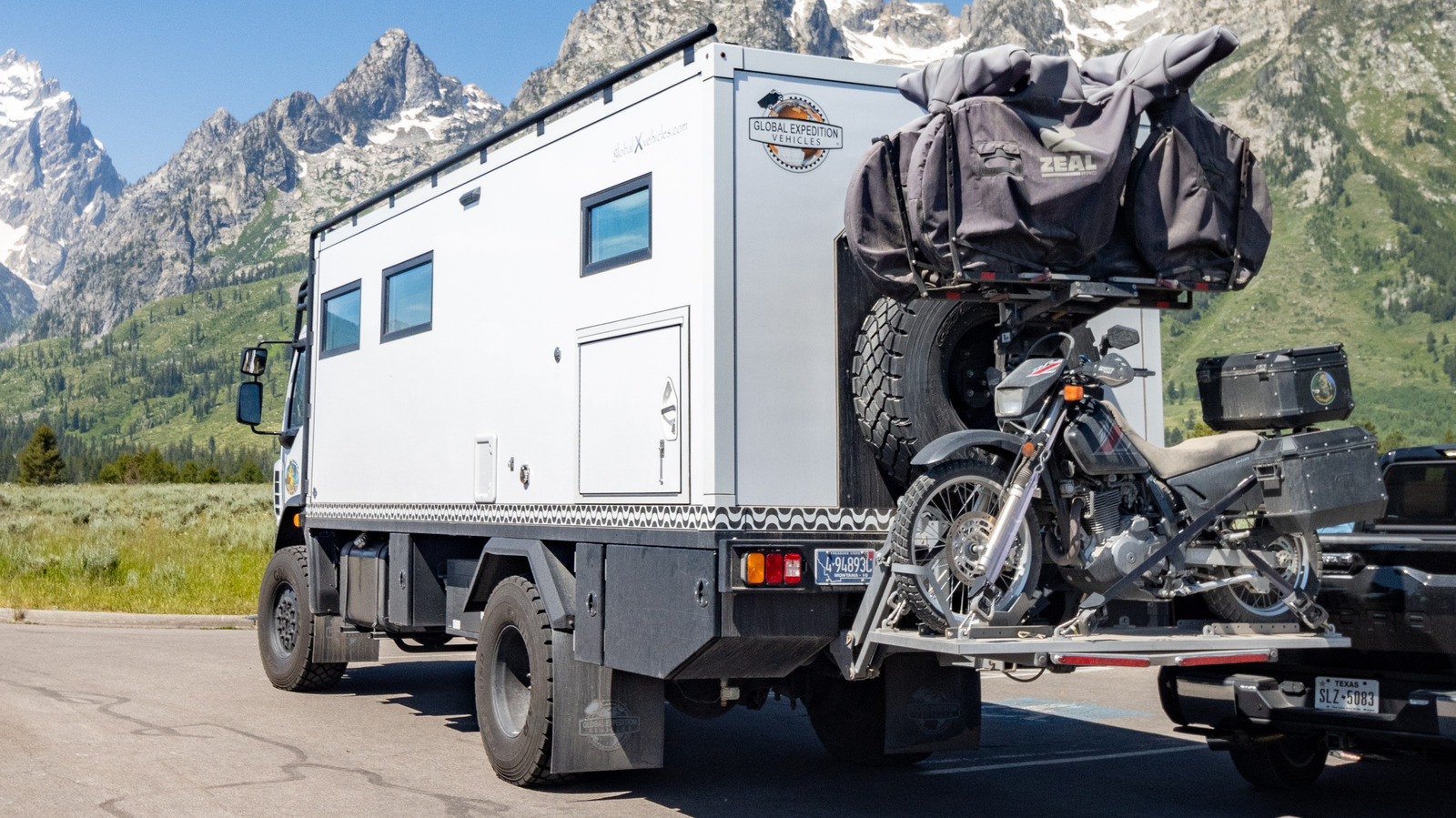
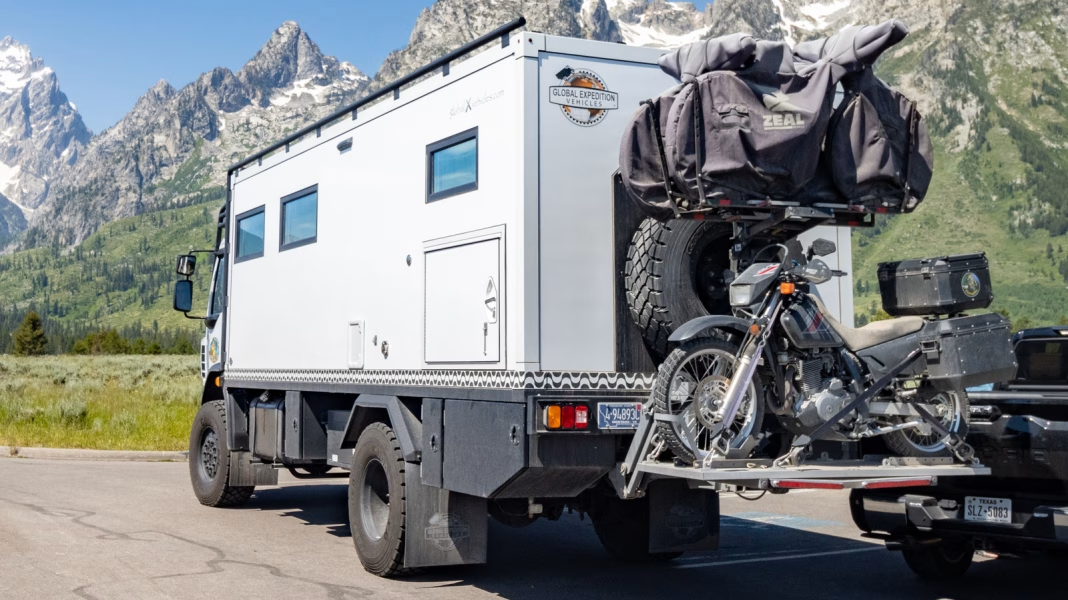
On the flip side, a hitch-mounted motorcycle carrier is much more compact. These carriers attach to your RV’s hitch receiver, letting you load your motorcycle directly onto the back. No extra wheels, no extra hassle. For bikes under 600 pounds, this is often the go-to solution. But not all carriers are created equal, and your RV’s hitch needs to be rated for the weight—don’t skip this step.
What Are the Real-World Risks of Each Method?
Let’s get real for a second. Towing a trailer adds length and complexity to your rig. According to a 2023 report from the National Highway Traffic Safety Administration, trailer sway and improper loading are among the top causes of RV-related accidents. Even seasoned drivers can struggle with sudden wind gusts or uneven roads. And if you’re not used to backing up with a trailer, well, let’s just say it’s a skill that takes practice.
Motorcycle carriers, when properly installed, eliminate a lot of those headaches. You don’t have to worry about double-checking trailer lights or dealing with tricky parking situations. However, you do need to make sure your carrier is high-quality and rated for your bike’s weight. Cheap or poorly installed carriers can flex or fail, leading to expensive (and dangerous) mishaps.
How Do You Choose the Right Motorcycle Carrier?
Not all carriers are built the same. Look for models made from heavy-duty steel or aluminum, with a weight rating that matches or exceeds your motorcycle’s curb weight. Experts recommend double-checking your RV’s hitch class—Class III or higher is usually required for most motorcycles. Don’t forget to factor in the tongue weight capacity, too.
Ease of loading matters. Some carriers come with sturdy ramps and built-in wheel chocks, making solo loading possible. Anti-tilt devices and extra tie-down points add another layer of security. It’s worth reading reviews from other RV owners who’ve used the same carrier with similar bikes. Real-world feedback can save you from costly mistakes.
What About Insurance and Legal Considerations?
Here’s something a lot of folks overlook: insurance. If you’re using a trailer, make sure it’s covered under your RV policy or a separate trailer policy. For hitch-mounted carriers, check with your insurer to confirm your motorcycle is protected while in transit. Some states have specific laws about how far a load can extend from the back of your vehicle—usually 4 feet is the max, but it varies. A quick call to your insurance agent and a glance at your state’s DOT website can save you from headaches down the road.
Can You Load and Unload Solo, or Will You Need Help?
If you’re traveling alone, ease of use is key. Trailers with built-in ramps are usually straightforward, but hitch-mounted carriers can be just as user-friendly if they’re well-designed. Practice loading and unloading in your driveway before your trip. It’s better to discover any quirks or challenges at home rather than in a crowded campground with an audience.
What Do Experienced RVers Recommend?
Seasoned RVers often lean toward hitch-mounted carriers for bikes under 600 pounds, especially for shorter trips or when maneuverability is a priority. For larger touring motorcycles, a trailer might still be the safer bet. Online forums and RV clubs are full of stories—both cautionary tales and success stories—that can help you decide what’s right for your setup.
The big takeaway? Hauling your motorcycle with your RV isn’t about perfection—it’s about smarter adjustments. Start with one change this week, and you’ll likely spot the difference by month’s end. Whether you opt for a trailer or a hitch-mounted carrier, a little planning and the right gear will keep your adventures rolling smoothly. Safe travels and happy riding.