What Was the Point of Pre-Selecting Your Next Gear in Classic Cars?
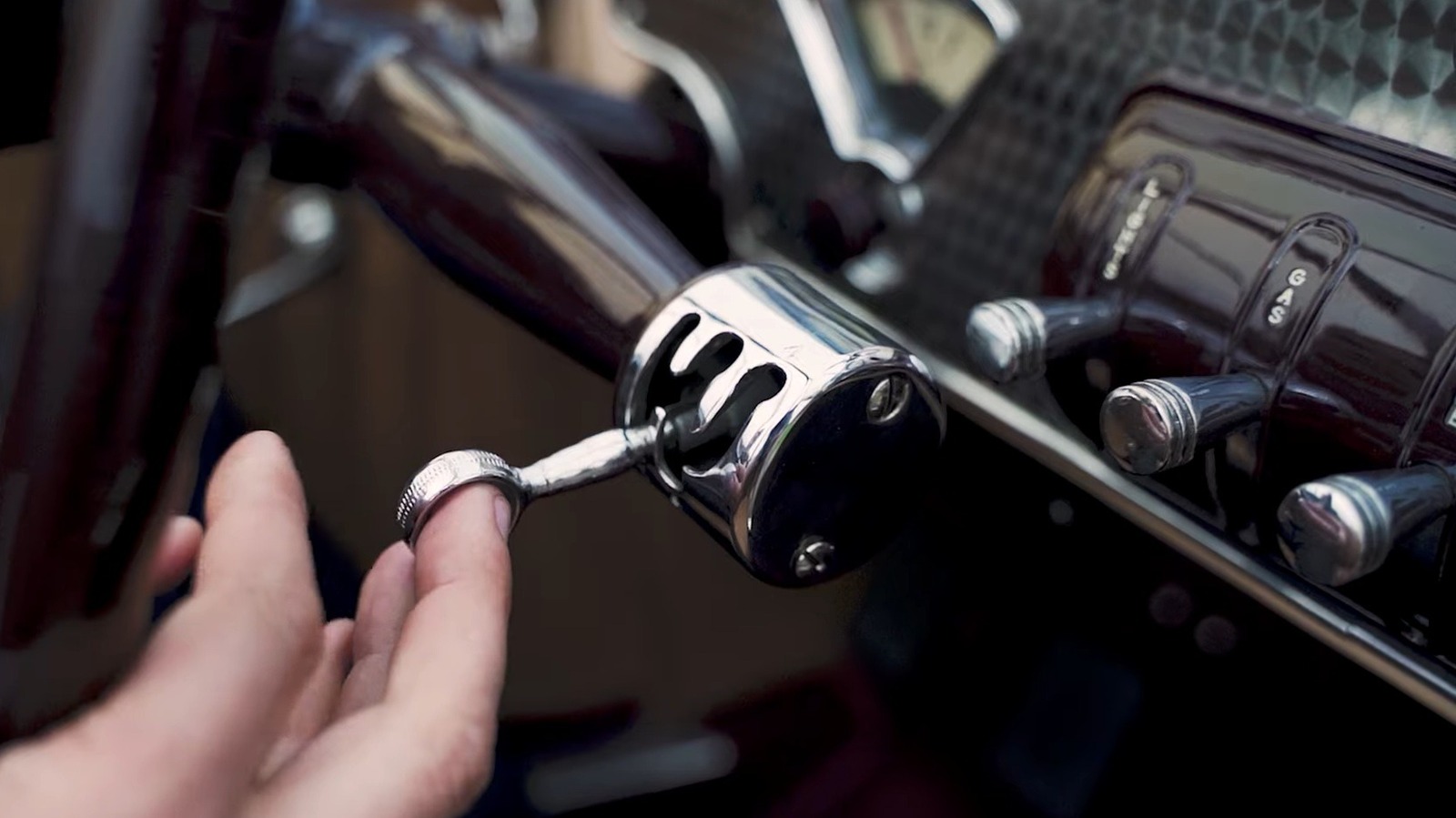
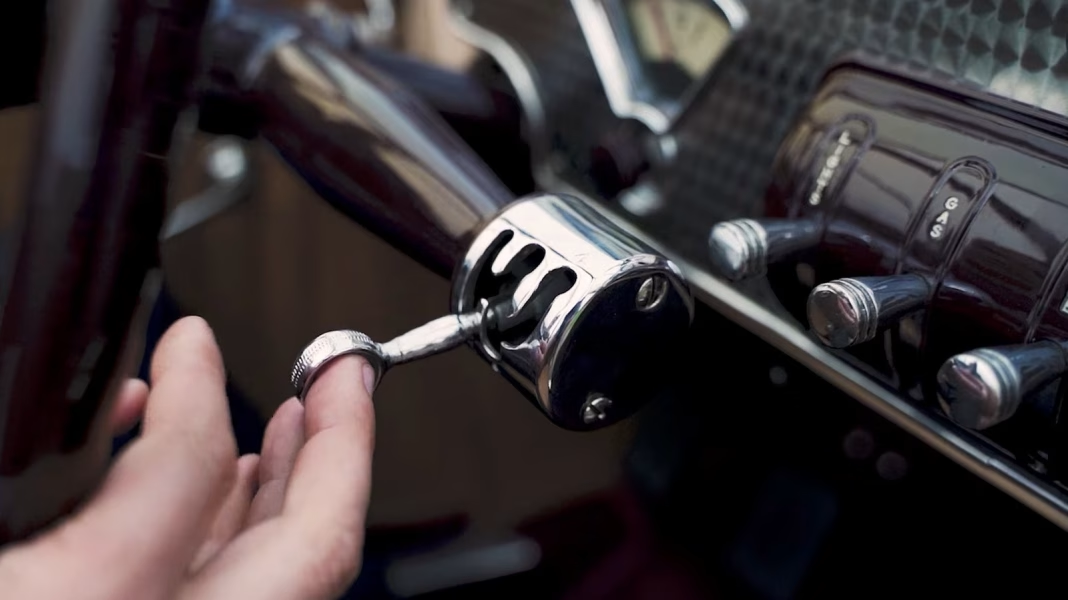
If you’ve ever driven a vintage car—or even just admired one at a show—you might have noticed an odd little lever near the gear shifter. Before the days of modern synchronized gearboxes, this lever wasn’t just for show. It let drivers pre-select their next gear, essentially choosing which gear they’d shift into before they actually needed it. Sounds a bit futuristic for the 1930s, right? But there was a method to the madness.
Back then, shifting gears wasn’t the smooth, almost thoughtless process it is today. Non-synchronized gearboxes required careful timing and double-clutching to avoid that infamous grinding sound. The pre-selector gearbox changed the game: drivers could pick their next gear in advance, and when the moment was right, a simple press of a pedal would make the shift happen instantly. No grinding, no fuss. For drivers, it meant less stress and more focus on the road—especially handy when navigating tricky hills or city traffic.
How Did Pre-Selector Gearboxes Actually Work?
Let’s break it down. Imagine you’re cruising along and know you’ll need to downshift soon. With a pre-selector gearbox, you’d move the small lever to your desired gear—say, second. The car wouldn’t shift immediately. Instead, the gearbox would “queue up” your choice. When you were ready, you’d press a separate pedal (often called the “gear change” or “selector” pedal), and the gearbox would snap into the chosen gear almost instantly.
This system relied on clever engineering—usually a combination of mechanical linkages, hydraulic systems, or even electrical controls. The Wilson pre-selector, one of the most famous designs, used a series of epicyclic gears and bands to make the magic happen. It was reliable, surprisingly quick, and made driving feel almost effortless compared to the alternatives of the era.
Why Did This Technology Fade Away?
If pre-selector gearboxes were so handy, why don’t we see them everywhere today? The answer comes down to progress. By the late 1940s and 1950s, synchronized manual transmissions became the norm. These new gearboxes let drivers shift smoothly without double-clutching or fancy footwork, making the pre-selector’s advantages less compelling. Plus, the added complexity and cost of pre-selector systems didn’t make sense when simpler, cheaper, and more reliable options were available.
That said, pre-selectors weren’t just a quirky footnote. They found fans among bus drivers, race car drivers, and even military vehicle operators—anyone who needed fast, reliable shifts under pressure. Their influence can still be felt in some of the automated manual transmissions and dual-clutch systems we see today.
Are Pre-Selector Gearboxes Making a Comeback?
Surprisingly, yes—at least in spirit. While you won’t find a pre-selector lever in your average family sedan, the core idea of “choosing your next gear in advance” is alive and well in modern performance cars. Paddle shifters, for example, let drivers signal a gear change before it actually happens, with the car’s computer handling the timing for maximum smoothness and speed.
Some high-end transmissions, like dual-clutch systems, even pre-load the next gear based on your driving style and throttle input. The result? Lightning-fast shifts that feel almost telepathic. It’s not exactly the same as the old mechanical levers, but the philosophy—anticipating the driver’s next move—remains at the heart of the technology.
What Can Modern Drivers Learn from This Old-School Tech?
There’s something oddly satisfying about the tactile, mechanical nature of pre-selector gearboxes. They remind us that driving used to be a more involved, hands-on experience. For enthusiasts, restoring or driving a car with a pre-selector gearbox is a way to connect with automotive history and appreciate the clever solutions engineers devised before computers took over.
But even if you’re not a vintage car buff, there’s a lesson here: sometimes, the best innovations come from rethinking old ideas. The resurgence of pre-selection concepts in modern transmissions proves that good engineering never truly goes out of style—it just evolves.
The big takeaway? Shifting gears—whether in a 1930s classic or a 2024 sports car—isn’t about perfection. It’s about smarter adjustments. Start with one change this week, and you’ll likely spot the difference by month’s end.