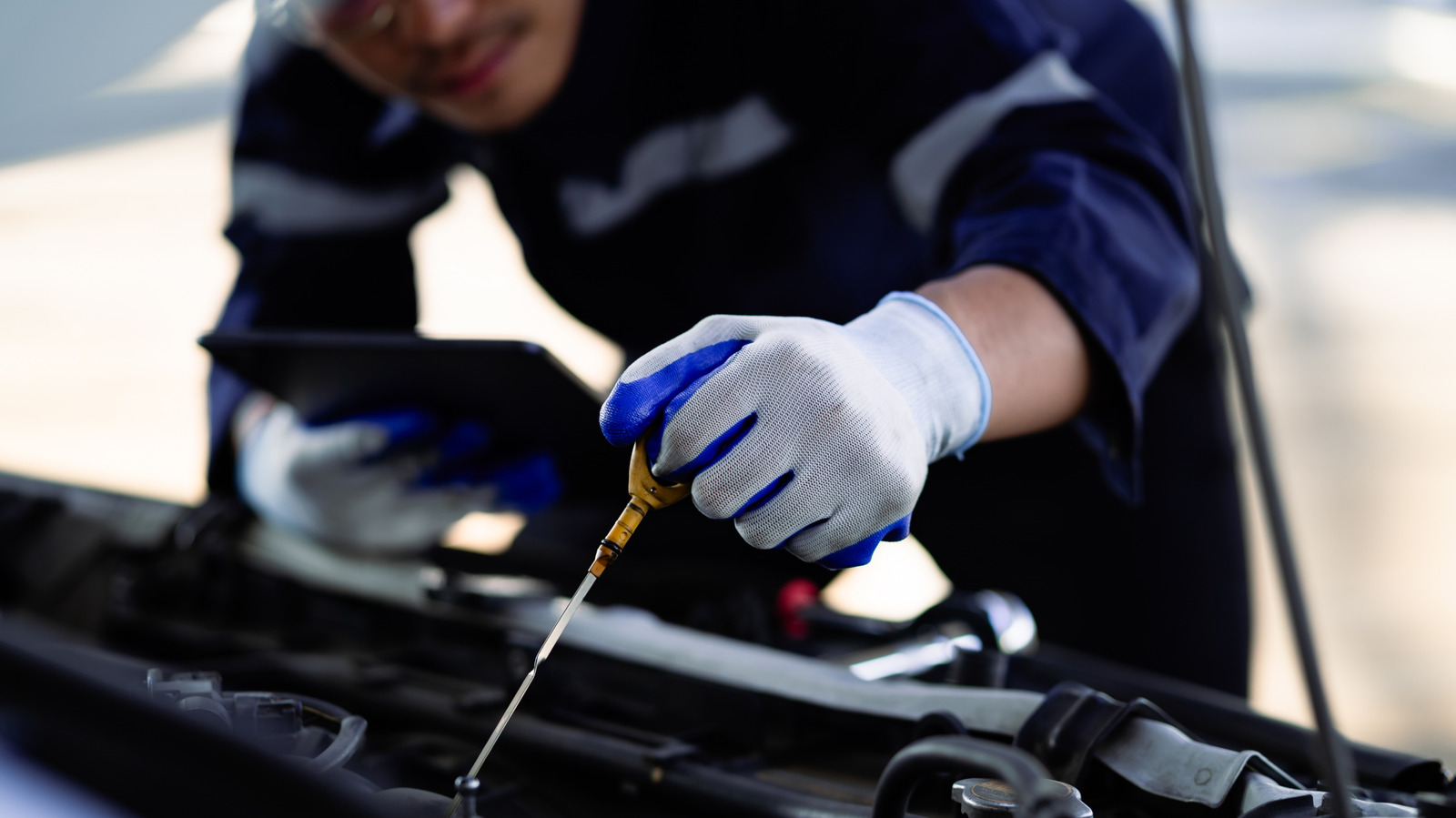
If you’ve recently popped the hood of a modern car, you might have been surprised to find something missing: the dipstick. It’s a tool that’s been a staple in car maintenance for decades, allowing drivers to check their oil levels easily. So, what gives? Why are so many new cars ditching this once-essential component?
The Shift to Sealed Systems
One of the main reasons for the disappearance of dipsticks is the shift toward sealed engine systems. Manufacturers are increasingly designing engines that require less frequent oil changes and maintenance. By sealing the engine, they aim to reduce the risk of contamination and evaporation, which can occur when an engine is exposed to the elements. This means that, theoretically, you can go longer between oil changes without worrying about your oil level dropping too low.
But here’s the catch: while this design can be convenient, it also puts more responsibility on the driver. Without a dipstick, you can’t easily check your oil level. Instead, many modern cars come equipped with electronic oil level sensors that provide readings on the dashboard. This technology can be quite handy, but it also means you’re relying on a system that might not always be foolproof.
The Role of Technology
Speaking of technology, the move away from dipsticks is also a reflection of the automotive industry’s broader trend toward digitalization. Many new vehicles come with advanced onboard computers that monitor various aspects of the car’s performance, including oil levels. This data is often displayed on the infotainment screen, giving drivers a more high-tech way to keep tabs on their vehicle’s health.
However, this reliance on technology can sometimes lead to confusion. Not all drivers are familiar with how to interpret the information provided by these systems. If you’re used to checking your oil manually, switching to a digital readout can feel a bit disconcerting. It’s essential to familiarize yourself with your car’s specific system and understand how to interpret its warnings and alerts.
Maintenance Considerations
Another factor to consider is maintenance. While sealed systems can reduce the frequency of oil changes, they don’t eliminate the need for regular checks. It’s still crucial to keep an eye on your oil quality and level, even if you can’t do it with a dipstick. Many manufacturers recommend periodic inspections, and some even provide a way to check oil levels through the vehicle’s interface.
If you own a car without a dipstick, make it a habit to consult your owner’s manual for guidance on how to monitor your oil levels. Some vehicles may have a specific procedure for checking oil levels electronically, while others might require a visit to a mechanic for a thorough inspection.
What About Older Cars?
For those of us who cherish the simplicity of older vehicles, the absence of a dipstick can feel like a loss. Older cars often had straightforward designs that made maintenance a breeze. You could pop the hood, pull out the dipstick, and know exactly what you were dealing with. While newer cars offer conveniences, they also come with a learning curve.
If you’re considering a new car, it might be worth taking the time to understand how its systems work. Familiarizing yourself with the technology can help you feel more confident in your vehicle’s maintenance needs. And if you’re attached to the old-school method of checking oil, there are still plenty of classic cars out there that come equipped with dipsticks.
The Big Picture
The trend of eliminating dipsticks from modern cars is part of a broader evolution in automotive design. While it offers benefits like reduced maintenance and improved efficiency, it also requires drivers to adapt to new technologies. The key takeaway? Embrace the change, but don’t forget the importance of regular maintenance. Whether your car has a dipstick or relies on sensors, keeping an eye on your oil levels is crucial for your vehicle’s health. So, take a moment to familiarize yourself with your car’s systems, and remember: a little knowledge goes a long way in keeping your ride running smoothly.