Which Electric Vehicles Stand Out When Gasoline Disappears Overnight?
Imagine waking up to a world where gasoline is just… gone. No warning, no slow phase-out—just a sudden shift. That’s the scenario we posed to readers: If you had to go electric right now, which EV would you choose, and why? The answers were as varied as the drivers themselves, but a few clear favorites and themes emerged.
What’s the First Thing Drivers Look for in an EV?
When the pressure’s on, practicality rises to the top. Readers overwhelmingly mentioned range as their number one concern. It’s not just about how far you can go on a charge, but how that range fits into daily routines—commutes, school runs, weekend getaways. According to a 2023 J.D. Power study, range anxiety remains the leading barrier to EV adoption, with 61% of potential buyers citing it as a top worry.
But it’s not all about numbers. Charging infrastructure came up again and again. Folks want to know: Can I charge at home? Is there a fast charger near my favorite grocery store? The convenience factor is huge, and it’s not lost on automakers—recent investments by major charging networks are making it easier than ever to plug in, even on road trips.
Which EVs Are Readers Actually Choosing?
Tesla’s Model Y and Model 3 were popular picks, and it’s not hard to see why. They offer solid range, a robust Supercharger network, and a user-friendly interface. But the conversation didn’t stop there. The Ford Mustang Mach-E and F-150 Lightning drew attention from those who need cargo space or towing capability. One reader, a contractor from Ohio, shared how the Lightning’s onboard power outlets could run his tools at remote job sites—a game changer for his business.
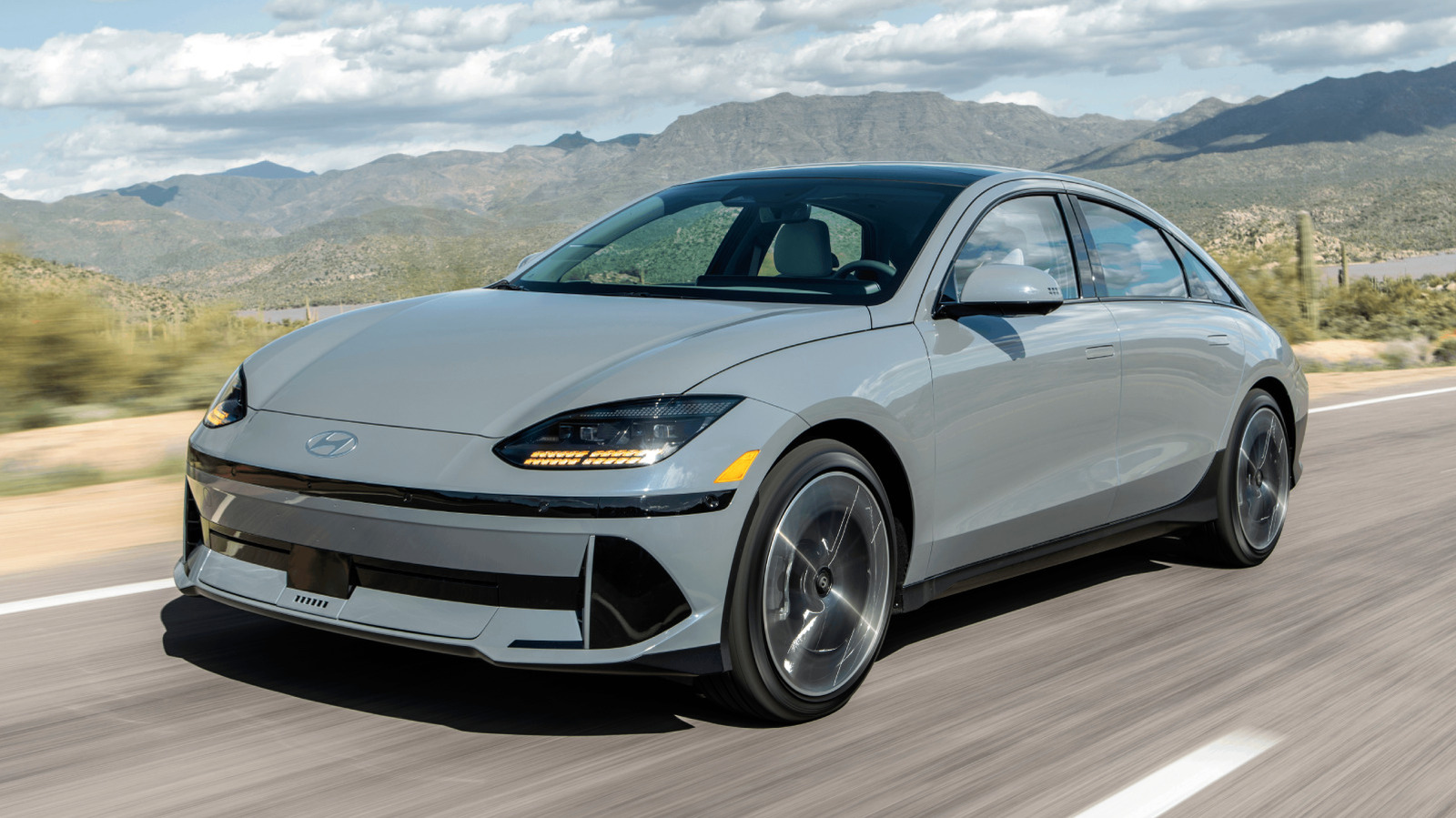
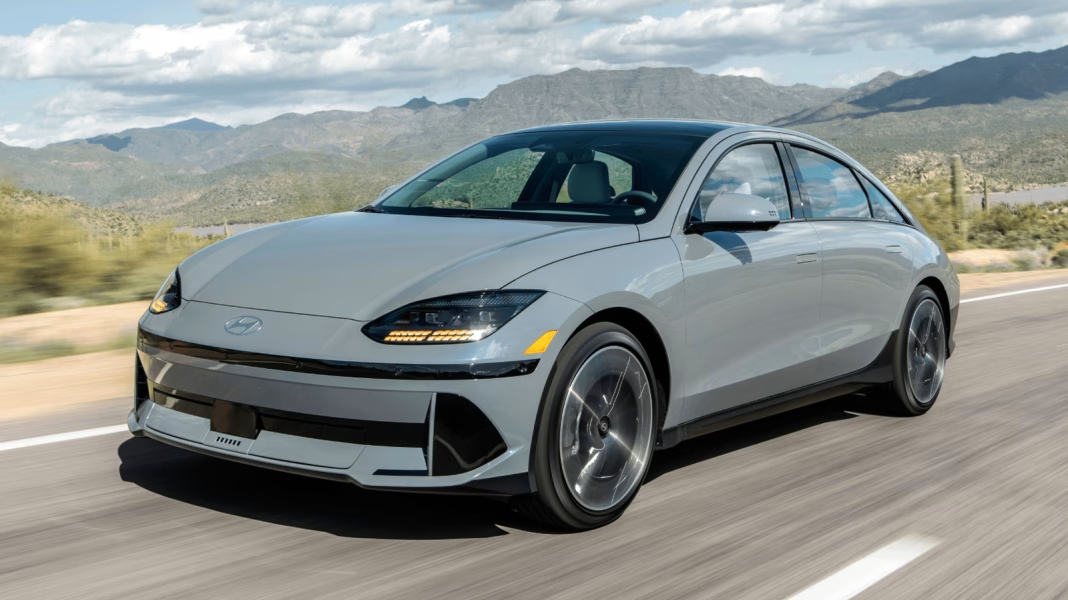
The Hyundai Ioniq 5 and Kia EV6 also made strong showings. Their futuristic styling and rapid charging speeds caught the eye of tech-savvy drivers. Plus, their competitive pricing and long warranties made them appealing for families looking to stretch their dollars.
What About Affordability and Incentives?
Cost is always top of mind, especially when switching to new technology. Many readers pointed out the importance of federal and state incentives, which can knock thousands off the sticker price. According to the U.S. Department of Energy, buyers can currently claim up to $7,500 in federal tax credits on eligible models, and some states offer additional rebates or perks like HOV lane access.
Several respondents mentioned shopping for used EVs as a way to save even more. The used market is growing fast, and with battery technology improving, many pre-owned models still offer plenty of life and range for a lower upfront investment.
How Do Lifestyle and Location Shape EV Choices?
Not everyone’s needs are the same. City dwellers leaned toward compact EVs like the Chevrolet Bolt or Nissan Leaf, citing easy parking and nimble handling. Rural readers, on the other hand, prioritized all-wheel drive and ruggedness—think Rivian R1T or the upcoming Chevrolet Silverado EV.
Climate also plays a role. Cold-weather drivers asked about battery performance in winter, referencing studies from AAA showing that extreme temperatures can reduce range by up to 40%. For them, features like heat pumps and battery preconditioning were must-haves.
Are There Any Surprises or Overlooked Options?
A few readers bucked the mainstream and championed lesser-known models. The Polestar 2, for example, got high marks for its Scandinavian design and Google-based infotainment system. Others mentioned the Volkswagen ID.4 for its spacious interior and approachable price point.
One particularly creative response came from a reader who’d opt for a used Tesla Model S, citing its combination of luxury, performance, and the ability to upgrade features via software updates. It’s a reminder that the EV market isn’t just about new cars—software and tech can keep older models feeling fresh.
What’s the Real-World Experience Like After the Switch?
Several respondents who already drive EVs shared candid stories. One family described how home charging meant never visiting a gas station again—saving time and money. Another driver admitted to initial range anxiety, but said it faded after a few months of real-world use. The consensus: The learning curve is real, but manageable, and the benefits often outweigh the hassles.
The big takeaway? Choosing the right EV isn’t about finding the perfect car—it’s about making smarter adjustments to fit your life. Start with one change this week, whether it’s researching charging options or test-driving a model that catches your eye, and you’ll likely spot the difference by month’s end.