Which New Cars Have the Worst Safety Ratings Right Now?
Car shopping can feel like a maze, especially when safety is at the top of your list. You’d think every new vehicle on the lot would meet the highest standards, but the reality is a bit more complicated. Some models, despite their shiny exteriors and tempting features, fall short where it matters most: keeping you and your loved ones safe. So, which new cars should you think twice about if safety is your top concern?
How Are Car Safety Ratings Determined, and Why Should You Care?
Before diving into the list, let’s clear up how these ratings work. Organizations like the National Highway Traffic Safety Administration (NHTSA) and the Insurance Institute for Highway Safety (IIHS) put vehicles through rigorous crash tests—front, side, rollover, you name it. They also look at things like advanced driver assistance features, headlight effectiveness, and even how easy it is to install a child seat.
Why does this matter? Because a car’s safety rating isn’t just a number—it’s a real-world indicator of how well that vehicle protects its occupants in a crash. According to the IIHS, vehicles with top safety scores are associated with significantly lower fatality rates. In other words, these ratings could literally be a matter of life and death.
Which Five New Cars Currently Have the Poorest Safety Ratings?
Let’s get to the heart of the matter. Based on recent data from trusted sources like the NHTSA and IIHS, here are five new cars that consistently rank at the bottom for safety:
1. Mitsubishi Mirage
Despite its budget-friendly price tag, the Mirage has struggled in crash tests—especially in side-impact and small overlap front crashes. The IIHS gave it some of its lowest marks in these categories, and the NHTSA’s ratings echo similar concerns. The lack of advanced safety features, like automatic emergency braking or lane-keeping assist, doesn’t help its case.
2. Chevrolet Spark
The Spark is another subcompact that’s easy on the wallet but not so reassuring in a collision. While it’s nimble for city driving, its crashworthiness is underwhelming. Side-impact protection is particularly weak, and the absence of standard driver-assistance tech puts it at a disadvantage compared to rivals.
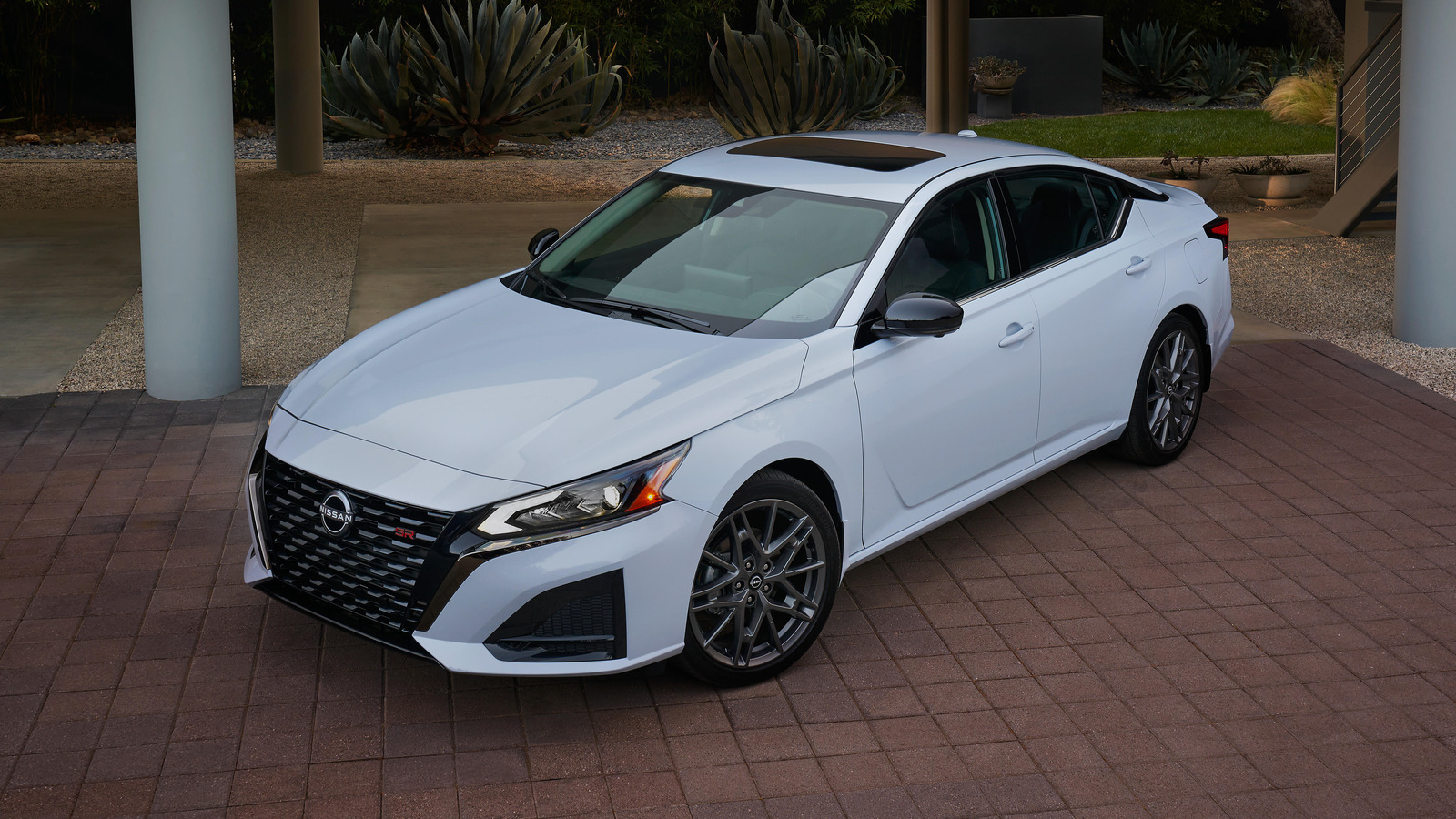
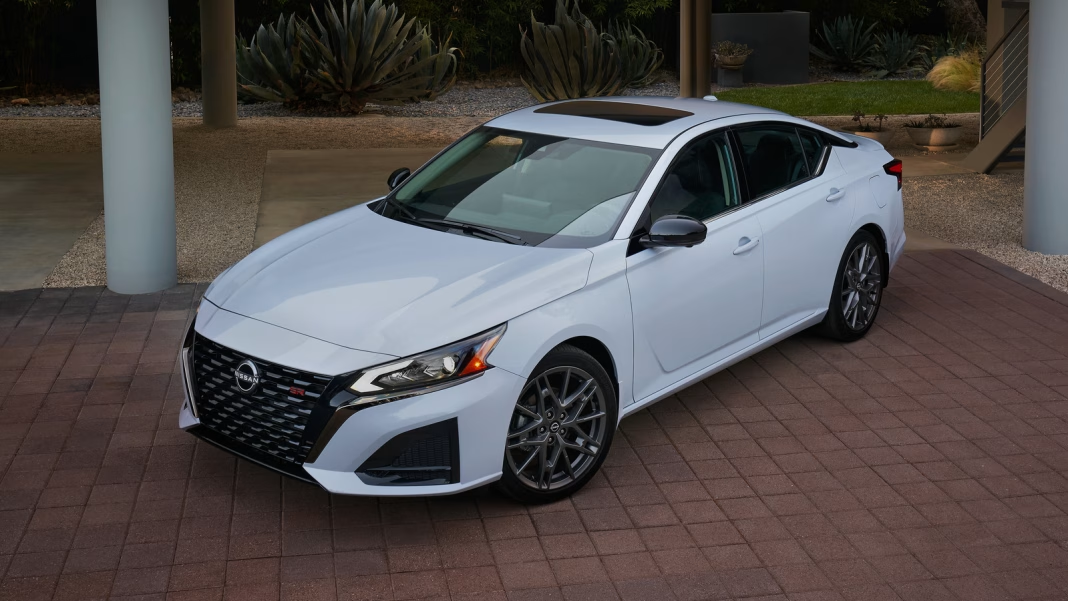
3. Nissan Versa
The Versa’s affordability makes it popular, but its safety record is mixed. It’s performed poorly in certain crash tests, especially those simulating small overlap front impacts. While newer models have added some safety tech, it still lags behind the competition in overall protection.
4. Kia Rio
The Rio is a favorite among first-time buyers, but its safety scores are less than stellar. The IIHS flagged it for subpar performance in passenger-side crash tests, and its headlights have been rated as marginal at best. If you’re driving a lot at night or with passengers, that’s a red flag.
5. Ford EcoSport
This compact SUV looks rugged, but its crash test results tell a different story. The EcoSport received below-average marks in both frontal and side-impact tests. Its rollover resistance is also a concern, and while some driver-assist features are available, they’re often optional rather than standard.
Are Budget Cars Always Less Safe, or Is There More to the Story?
It’s easy to assume that cheaper cars are always less safe, but that’s not the whole picture. Some affordable models, like the Honda Fit or Toyota Yaris, have earned high marks for crashworthiness and standard safety features. The real issue is that automakers sometimes cut corners on structural reinforcements or advanced driver aids to keep prices low. So, while price can be a clue, it’s not the only factor—always check the specific safety ratings for the exact model and trim you’re considering.
What Should You Look for When Prioritizing Safety in a New Car?
If you’re determined to put safety first, here’s what to focus on:
– Crash test ratings from both the NHTSA and IIHS
– Availability of advanced driver assistance systems (ADAS) like automatic emergency braking, lane departure warning, and blind-spot monitoring
– Headlight performance (surprisingly important for nighttime driving)
– Ease of child seat installation if you have young passengers
Don’t just rely on dealership brochures or flashy ads. Dig into the data, and don’t be afraid to ask tough questions during your test drive.
How Can You Balance Safety, Budget, and Other Priorities?
Let’s be real: not everyone can afford a top-of-the-line luxury SUV with every safety bell and whistle. But that doesn’t mean you have to settle for a car that puts you at risk. Many mainstream brands now offer impressive safety features as standard, even on their entry-level models. Consider certified pre-owned vehicles, too—sometimes last year’s model with excellent safety scores is a smarter buy than a brand-new car with mediocre ratings.
The big takeaway? Car safety isn’t about perfection—it’s about smarter adjustments. Start with one change this week, and you’ll likely spot the difference by month’s end. Whether that’s researching crash test scores or insisting on a test drive that includes a look at the car’s safety tech, those small steps can add up to real peace of mind on the road.