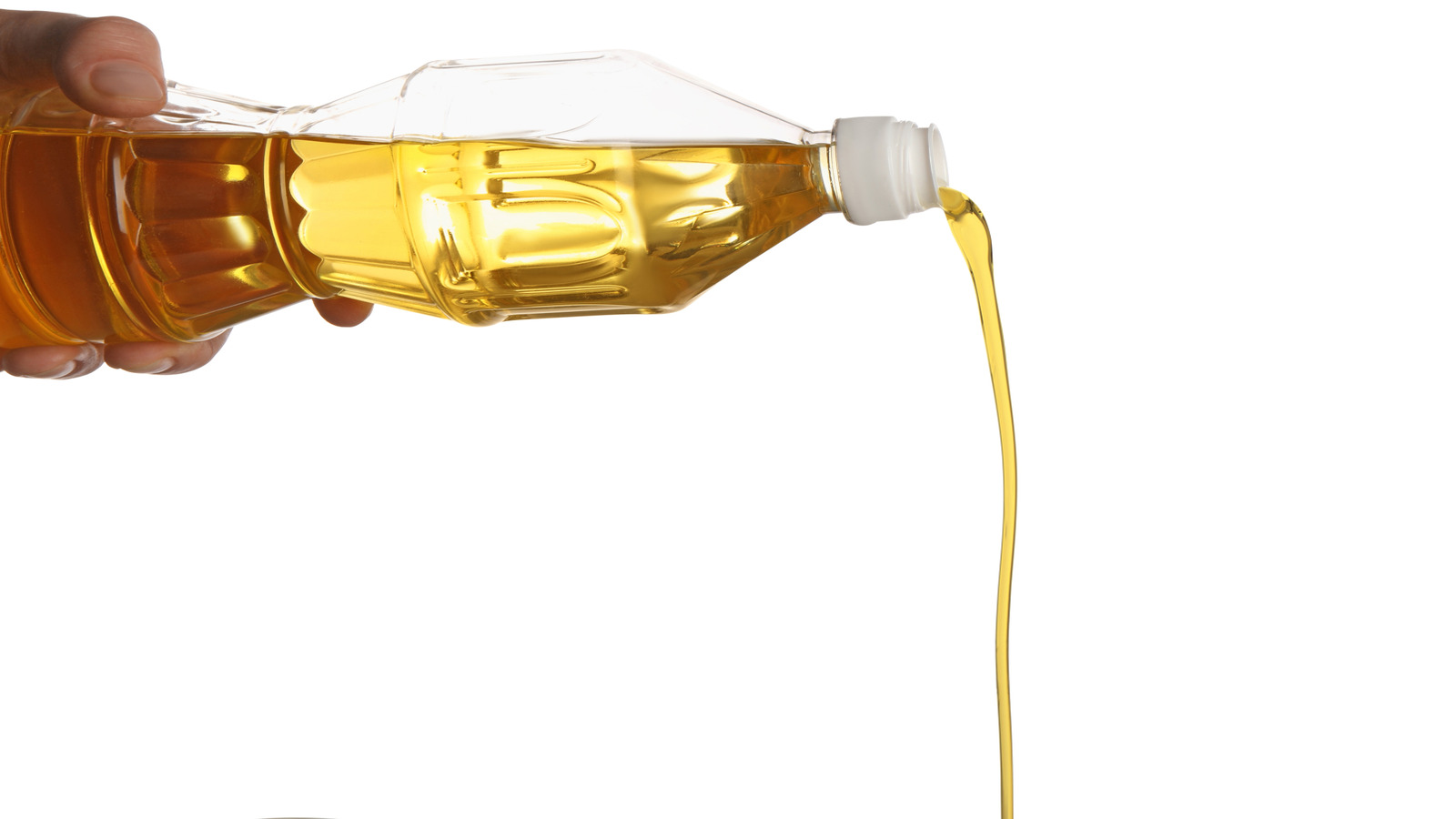
Could Your Car Really Run on Vegetable Oil?
It sounds like something out of a mad scientist’s playbook: swapping out gasoline or diesel for the same stuff you’d use to fry up onion rings. Yet, powering engines with vegetable oil isn’t just a quirky footnote in automotive history—it’s a real idea that’s been tested, tweaked, and, for a brief moment, almost took off.
What Sparked the Idea of Vegetable Oil Engines?
Back in the early days of the automobile, inventors were hungry for alternative fuels. Petroleum wasn’t as cheap or widespread as it is now, so tinkerers looked to whatever was handy. Enter vegetable oil. In fact, Rudolf Diesel—the mind behind the diesel engine—originally designed his engine to run on peanut oil. He believed farmers could grow their own fuel, making them less dependent on big oil companies. That’s not just clever; it’s visionary.
Why Didn’t Vegetable Oil Engines Become Mainstream?
On paper, the concept is brilliant. Vegetable oils are renewable, biodegradable, and can be produced locally. But reality had other plans. For starters, vegetable oil is thicker than diesel, especially in cold weather. That means engines can clog, sputter, or just refuse to start unless you preheat the oil or modify the engine.
Then there’s the economics. As petroleum became cheaper and more accessible, vegetable oil lost its edge. Mass production of diesel and gasoline made them the go-to choices for automakers and consumers alike. Plus, the infrastructure—fuel stations, supply chains, and engine designs—all shifted to support fossil fuels. It’s tough to compete with that kind of momentum.
Are There Modern Examples of Vegetable Oil-Powered Vehicles?
Absolutely. During fuel shortages, like those in World War II and the 1970s oil crisis, people got creative. Some converted their diesel engines to run on straight vegetable oil (SVO) or waste vegetable oil (WVO) from restaurants. Even today, a small but passionate community of DIYers and eco-enthusiasts keep the tradition alive, modifying old diesels to run on filtered fryer oil.
There are even companies that sell conversion kits and offer advice on how to keep your engine running smoothly on veggie oil. But it’s not a plug-and-play solution. You need to filter the oil, sometimes heat it, and regularly maintain your engine to avoid gumming things up.
How Does Vegetable Oil Stack Up Environmentally?
Here’s where things get interesting. Burning vegetable oil produces fewer sulfur emissions and less particulate matter than regular diesel. According to the U.S. Department of Energy, using waste vegetable oil can reduce lifecycle greenhouse gas emissions by up to 86% compared to petroleum diesel. That’s a big deal for anyone concerned about climate change.
But there’s a catch. Growing crops for fuel can compete with food production and drive up prices. Plus, large-scale farming can have its own environmental downsides—think fertilizer runoff and habitat loss. Using waste oil sidesteps some of these issues, but there’s only so much used fryer oil to go around.
What’s Stopping a Vegetable Oil Comeback?
Technology has come a long way, but the hurdles remain. Modern diesel engines are more sensitive to fuel quality, making them less forgiving of alternative fuels like vegetable oil. Emissions regulations are stricter, and automakers are focused on electric vehicles and advanced biofuels rather than revisiting old-school veggie power.
Still, the idea isn’t dead. Researchers are exploring new ways to refine plant-based oils into fuels that work seamlessly in today’s engines. And with the push for renewable energy, who knows? Maybe we’ll see a new generation of plant-powered cars in the not-so-distant future.
What Can We Learn from the Vegetable Oil Engine Experiment?
The story of vegetable oil engines is a reminder that innovation doesn’t always follow a straight path. Sometimes the best ideas are ahead of their time, waiting for the right mix of technology, economics, and public interest to catch up.
The big takeaway? Sustainable transportation isn’t about perfection—it’s about smarter adjustments. Start with one change this week, and you’ll likely spot the difference by month’s end.