What Was the Three-on-the-Tree, and Why Did It Matter?
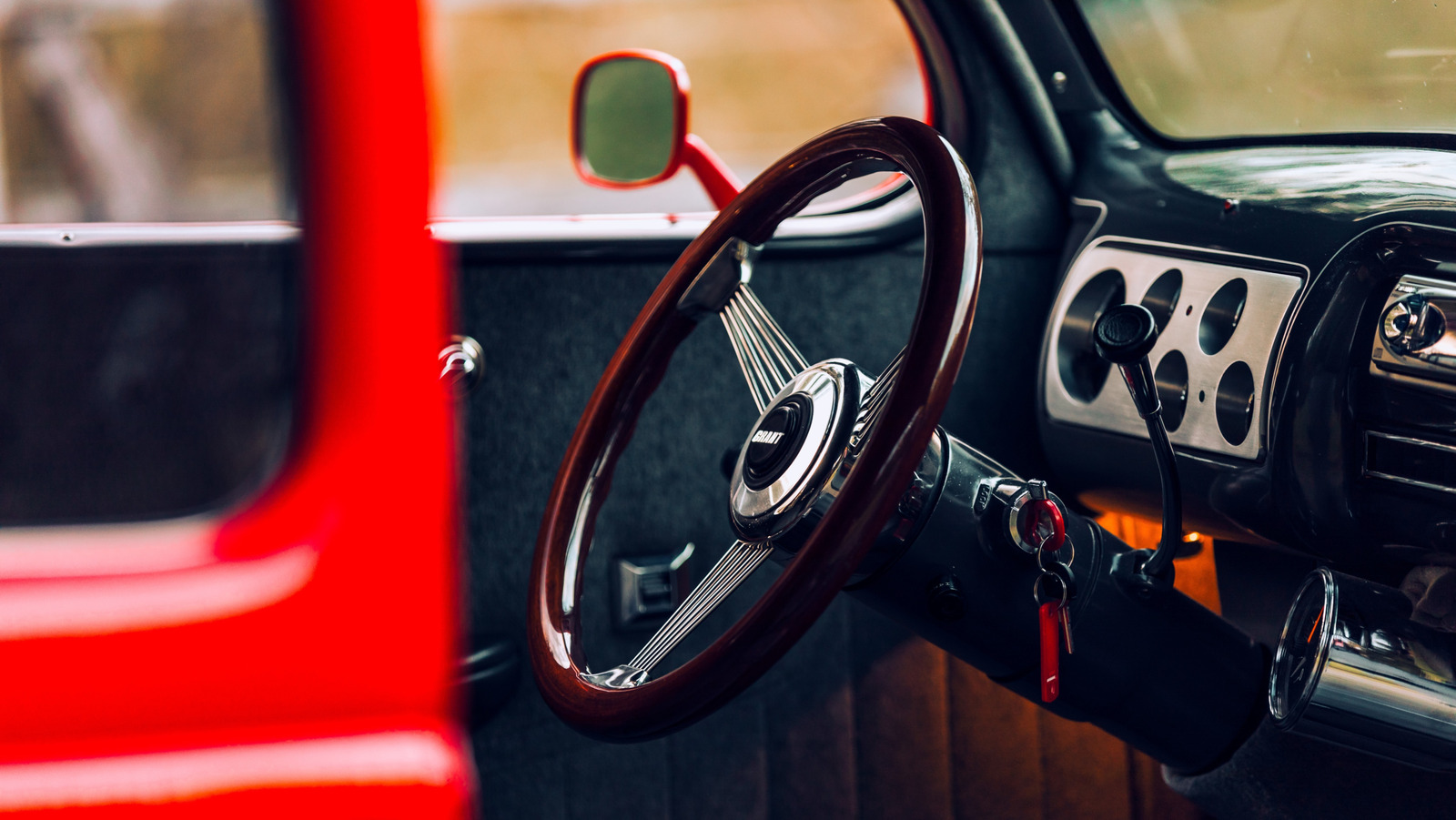
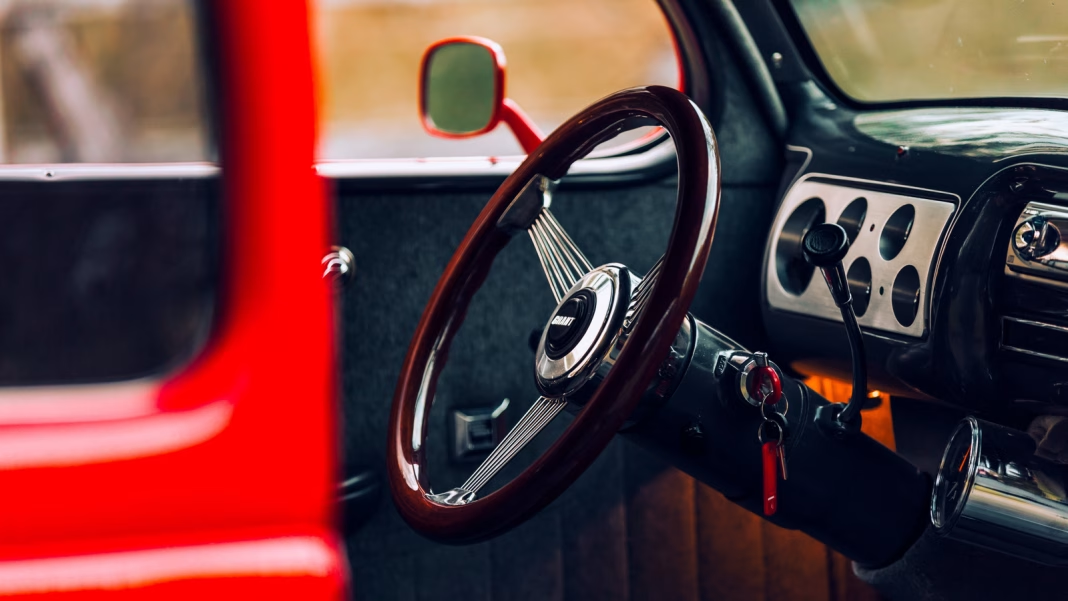
If you’ve ever heard someone reminisce about the “three-on-the-tree,” you might’ve wondered what all the fuss was about. For decades, this quirky nickname referred to a three-speed manual transmission with the gear shifter mounted on the steering column—literally, three gears on the tree. It was a staple in American cars from the 1940s through the 1970s, offering a blend of simplicity and mechanical charm that’s tough to find today.
The appeal? Three-on-the-tree shifters made manual driving accessible for families and everyday folks, not just gearheads. The column-mounted design freed up space on the floor, making bench seats possible and road trips a little cozier. For many, learning to drive meant mastering the rhythm of that column shifter—an experience that’s now a rare badge of honor.
Which Car Was the Last to Feature a Three-on-the-Tree?
By the late 1970s, the automotive world was changing fast. Automatic transmissions were becoming the norm, and floor-mounted shifters took over as the go-to for manuals. But there was one holdout: the 1987 Chevrolet pickup. This model marked the end of an era, standing as the last American vehicle you could buy new with a three-on-the-tree setup.
That’s right—while sedans and coupes had already moved on, Chevy’s trusty workhorse kept the tradition alive just a little longer. It wasn’t about nostalgia, either. For many truck buyers, the column shifter was simply practical: it kept the floor clear for hauling gear or squeezing in an extra passenger. But as consumer tastes shifted and new safety standards emerged, even this icon had to let go.
Why Did American Automakers Move Away from Column Shifters?
So, what pushed the three-on-the-tree into the history books? A few factors played a role. First, automatic transmissions became more reliable and affordable, making them the default choice for most drivers. According to the U.S. Department of Transportation, by the mid-1980s, over 90% of new cars sold in America were automatics.
Second, changing interior designs favored bucket seats and center consoles, which left little room for a column shifter. Safety regulations also nudged manufacturers toward more standardized layouts, especially as airbags and other features became mandatory.
Finally, consumer preferences evolved. Drivers wanted smoother, easier shifting—and automatics delivered. The result? Three-on-the-tree faded quietly, replaced by modern conveniences and a new vision of comfort.
Are There Any Advantages to the Old Three-on-the-Tree Design?
It’s easy to dismiss the column shifter as a relic, but it had some real perks. For starters, it made front bench seats possible, which meant more seating flexibility—think three across in the front row. That’s a feature you won’t find in most modern vehicles, where center consoles dominate.
Maintenance was also straightforward. Fewer moving parts meant fewer things to break, and repairs could often be handled in the driveway with basic tools. Plus, there’s an undeniable cool factor. Ask any classic car enthusiast: there’s something special about the tactile, mechanical feel of rowing through gears on the steering column.
What’s the Legacy of the Three-on-the-Tree Today?
While you won’t find new cars with this setup, the three-on-the-tree lives on in classic car circles and vintage truck shows. Enthusiasts swap stories about learning to drive on grandpa’s old Chevy, and some even hunt down these models for restoration projects. There’s a sense of nostalgia, sure, but also respect for a design that balanced simplicity and function.
Interestingly, a few modern automakers have experimented with column shifters for automatics—think certain pickup trucks and luxury SUVs. But the manual, three-speed column shifter remains a piece of living history, a reminder of how far automotive design has come.
What Should You Know If You’re Considering a Vintage Three-on-the-Tree Vehicle?
If you’re tempted to track down a classic with a column shifter, there are a few things to keep in mind. First, parts can be tricky to find, and not every mechanic is familiar with the setup. You’ll want to connect with vintage car clubs or online forums for advice and support.
Driving one is a unique experience. The shift pattern isn’t always intuitive, and you’ll need a bit of patience to master the movements. But for many, that’s part of the charm. It’s about connecting with the car—and the road—in a way that modern automatics just can’t replicate.
The big takeaway? The three-on-the-tree isn’t about perfection—it’s about smarter adjustments. Start with one change this week, and you’ll likely spot the difference by month’s end. Whether it’s learning a new skill or appreciating a bit of automotive history, sometimes the old ways still have plenty to teach us.