Changing your car’s oil is one of those essential maintenance tasks that can feel a bit daunting, especially if you’re new to car care. But understanding the best practices can make the process smoother and more effective. One common question that pops up is about timing: should you change your oil right after a long drive, before moving it anywhere, or somewhere in between? And what’s the ideal temperature for an oil change? Let’s dive into these questions.
Is It Better to Change Oil After a Drive or Before?
You might think that changing your oil right after a long drive is the way to go, and there’s some logic to that. When your engine is warm, the oil is also warm, which means it’s thinner and flows more easily. This can help it drain out more completely, taking with it any sludge or contaminants that have built up. So, if you’ve just returned from a drive, it’s a good time to consider an oil change.
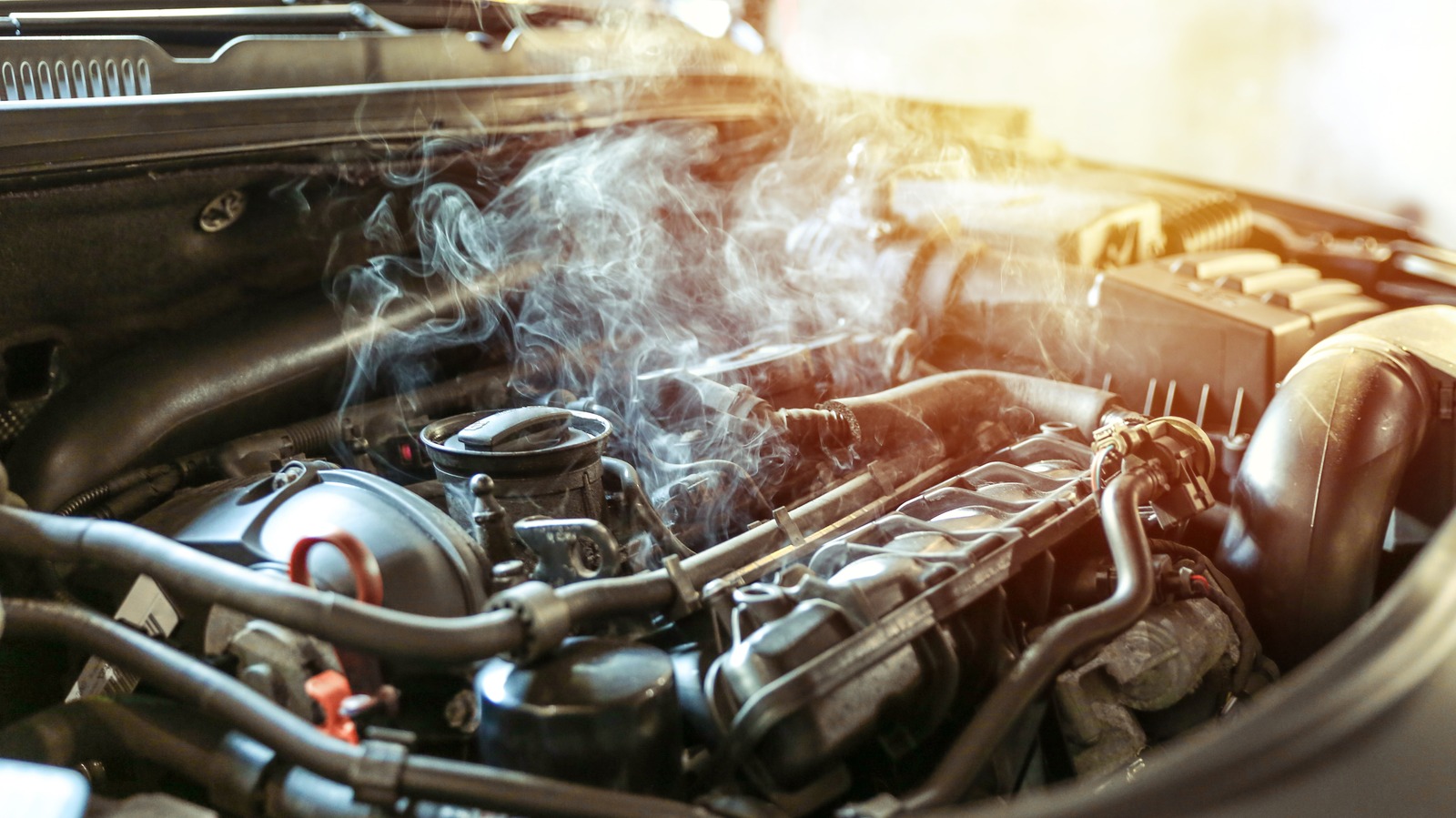
However, there’s a catch. If you change your oil immediately after a long drive, be careful. The engine components are hot, and while that helps with oil drainage, it can also pose a risk of burns if you’re not careful. Plus, some mechanics suggest letting the engine cool down a bit—maybe 15 to 30 minutes—before you start the oil change. This way, you can avoid any potential hazards while still benefiting from the oil being warm enough to flow well.
What About Changing Oil Before Moving the Car?
Changing your oil before moving your car can be a practical option, especially if you’re planning to take it to a shop or if you’re doing the change yourself in a garage. If the engine is cool, you’ll have a safer environment to work in. However, you might not get the same level of oil drainage as you would with warm oil.
If you go this route, consider running the engine for a few minutes to warm it up slightly before you start. This can help the oil flow better during the change, allowing for a more thorough job.
What’s the Ideal Temperature for an Oil Change?
The ideal temperature for an oil change typically falls between 100°F and 120°F (about 38°C to 49°C). At this range, the oil is warm enough to flow freely but not so hot that it becomes dangerous to handle. If you can touch the oil pan comfortably, you’re likely in a good range for changing the oil.
It’s also worth noting that different types of oil have varying viscosity levels, which can affect how they behave at different temperatures. For instance, synthetic oils often perform better across a wider temperature range compared to conventional oils. So, if you’re using synthetic oil, you might find it easier to change at slightly cooler temperatures.
Tips for a Smooth Oil Change
Now that you know when to change your oil and at what temperature, here are a few tips to make the process even smoother:
1. **Gather Your Supplies**: Before you start, make sure you have everything you need—new oil, an oil filter, a wrench, an oil catch pan, and a funnel. Having everything at hand will save you time and frustration.
2. **Check Your Owner’s Manual**: Your car’s manual will have specific recommendations for oil type and change intervals. Following these guidelines can help keep your engine running smoothly.
3. **Use the Right Tools**: Invest in a good-quality wrench and an oil filter wrench. These tools can make the job much easier and help prevent damage to your car.
4. **Dispose of Oil Properly**: After you’ve changed the oil, make sure to dispose of the old oil and filter responsibly. Many auto parts stores offer recycling programs for used oil.
5. **Keep Track of Your Changes**: Maintaining a log of when you change your oil can help you stay on top of your vehicle’s maintenance schedule.
The big takeaway? Timing your oil change isn’t about perfection—it’s about smarter adjustments. Whether you choose to change it after a long drive or let the engine cool down first, the key is to ensure you’re working safely and effectively. Start with one change this week, and you’ll likely spot the difference in your engine’s performance by month’s end.