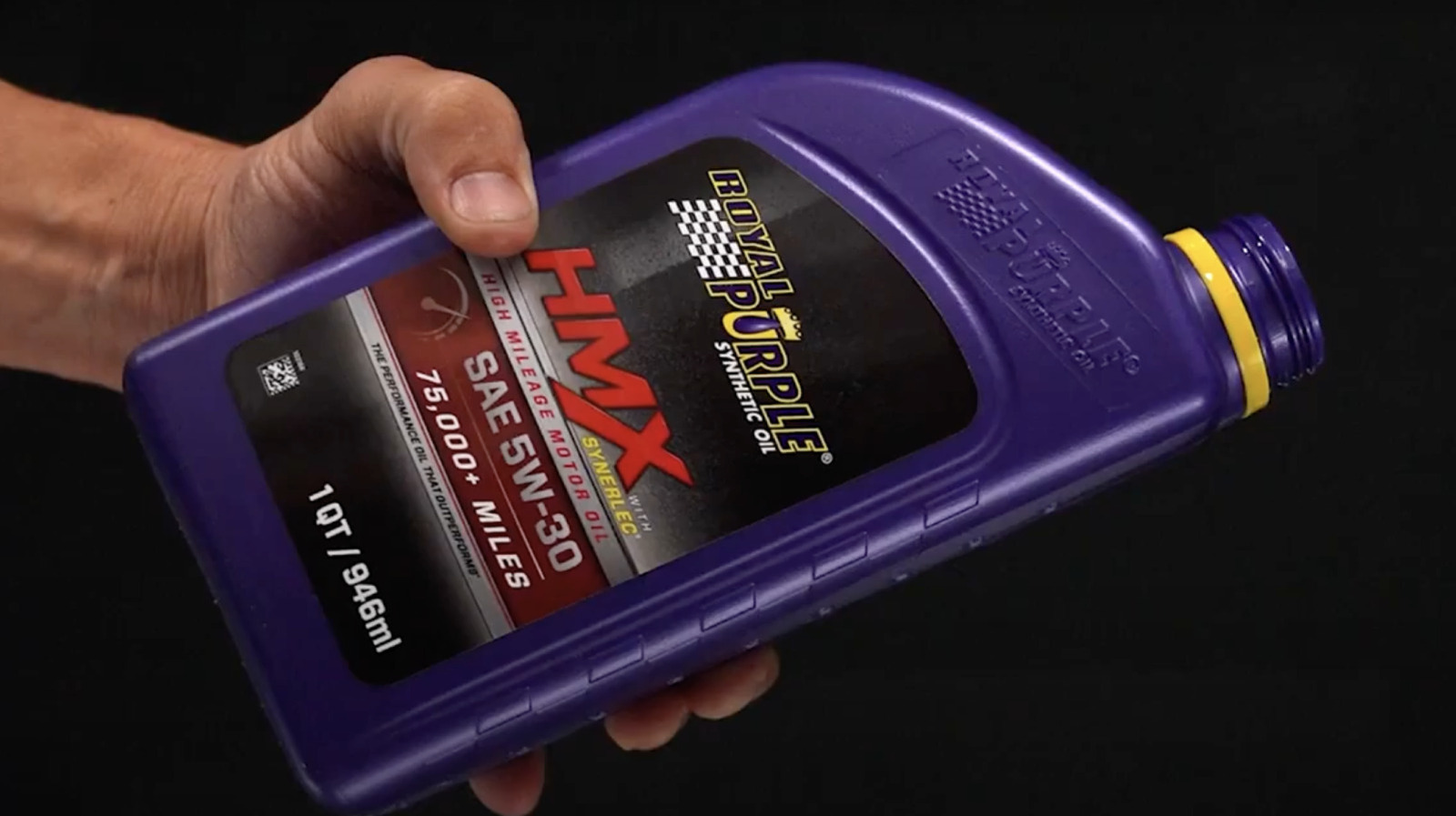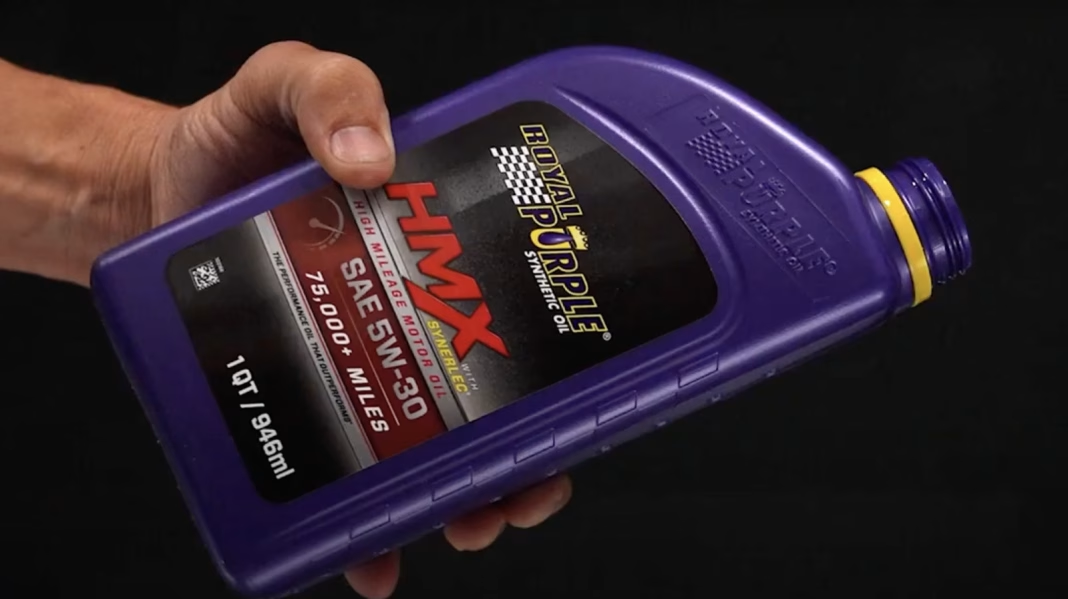
Your car engine needs oil to keep running smoothly, but not all oils are created equal. When it comes to engine oils, Royal Purple often sparks a lively debate among drivers. Some swear by it, while others have their reservations. So, what’s the deal with Royal Purple oil? Let’s dive into the pros and cons that have car enthusiasts talking.
What Makes Royal Purple Oil Stand Out?
Royal Purple is known for its high-performance synthetic oils, which are designed to provide superior lubrication and protection for your engine. One of the standout features of Royal Purple is its unique blend of additives. These additives help reduce friction, improve engine efficiency, and even enhance fuel economy. Many drivers appreciate that it can withstand higher temperatures and pressures, making it a popular choice for those who push their vehicles to the limit, like racers or off-road enthusiasts.
But it’s not just about performance. Royal Purple also claims to offer better wear protection compared to conventional oils. This means that, over time, your engine might experience less wear and tear, potentially extending its lifespan. For those who want to keep their engines in top shape, this can be a significant selling point.
Why Do Some Drivers Have Reservations?
Despite its benefits, Royal Purple oil isn’t without its critics. Some drivers report that they’ve experienced issues after switching to this brand. One common concern is that the oil can cause leaks in older engines. This happens because the synthetic formula can clean out sludge and deposits that have built up over the years, which might lead to older seals failing. For drivers with high-mileage vehicles, this can be a real headache.
Another point of contention is the price. Royal Purple tends to be more expensive than many conventional oils. For budget-conscious drivers, this can be a significant drawback, especially if they don’t notice a marked difference in performance. It’s essential to weigh the cost against the potential benefits, particularly if you’re not pushing your vehicle to its limits.
Real-World Experiences: The Mixed Bag
When you look at real-world experiences, the opinions on Royal Purple can vary widely. Some drivers rave about the noticeable improvements in engine performance and fuel efficiency. They often share stories of smoother rides and quieter engines after making the switch. For them, the investment in Royal Purple oil pays off in spades.
On the flip side, there are those who have had less favorable experiences. Some report that their engines ran hotter or that they experienced increased oil consumption after switching. These mixed reviews highlight the importance of considering your vehicle’s specific needs and your driving habits before making a decision.
Is Royal Purple Worth It for Your Vehicle?
So, should you consider Royal Purple for your engine? It really depends on your situation. If you drive a high-performance vehicle or frequently engage in activities that put extra stress on your engine, the benefits of Royal Purple might outweigh the costs. However, if you have an older car with high mileage, it might be wise to consult a mechanic before making the switch. They can provide insights tailored to your vehicle’s condition and history.
Another approach is to start with a blend or a less expensive synthetic oil to see how your engine responds. If you notice improvements and feel comfortable with the change, you can always transition to Royal Purple later on.
The big takeaway? Choosing the right oil isn’t about perfection—it’s about smarter adjustments. Start with one change this week, and you’ll likely spot the difference by month’s end. Whether you go with Royal Purple or another brand, keeping your engine well-lubricated is the key to longevity and performance.