Why Does Costco Always Feel Busy, Yet Parking Is a Breeze?
Ever pulled into a Costco lot, bracing for chaos, only to find yourself gliding into a spot with surprising ease? You’re not alone. The store itself might be buzzing with shoppers, but the parking lot rarely feels like a battleground. Let’s dig into why that is—and what Costco’s approach can teach us about smart design.
What Makes Costco’s Parking Lots Feel Different From Other Stores?
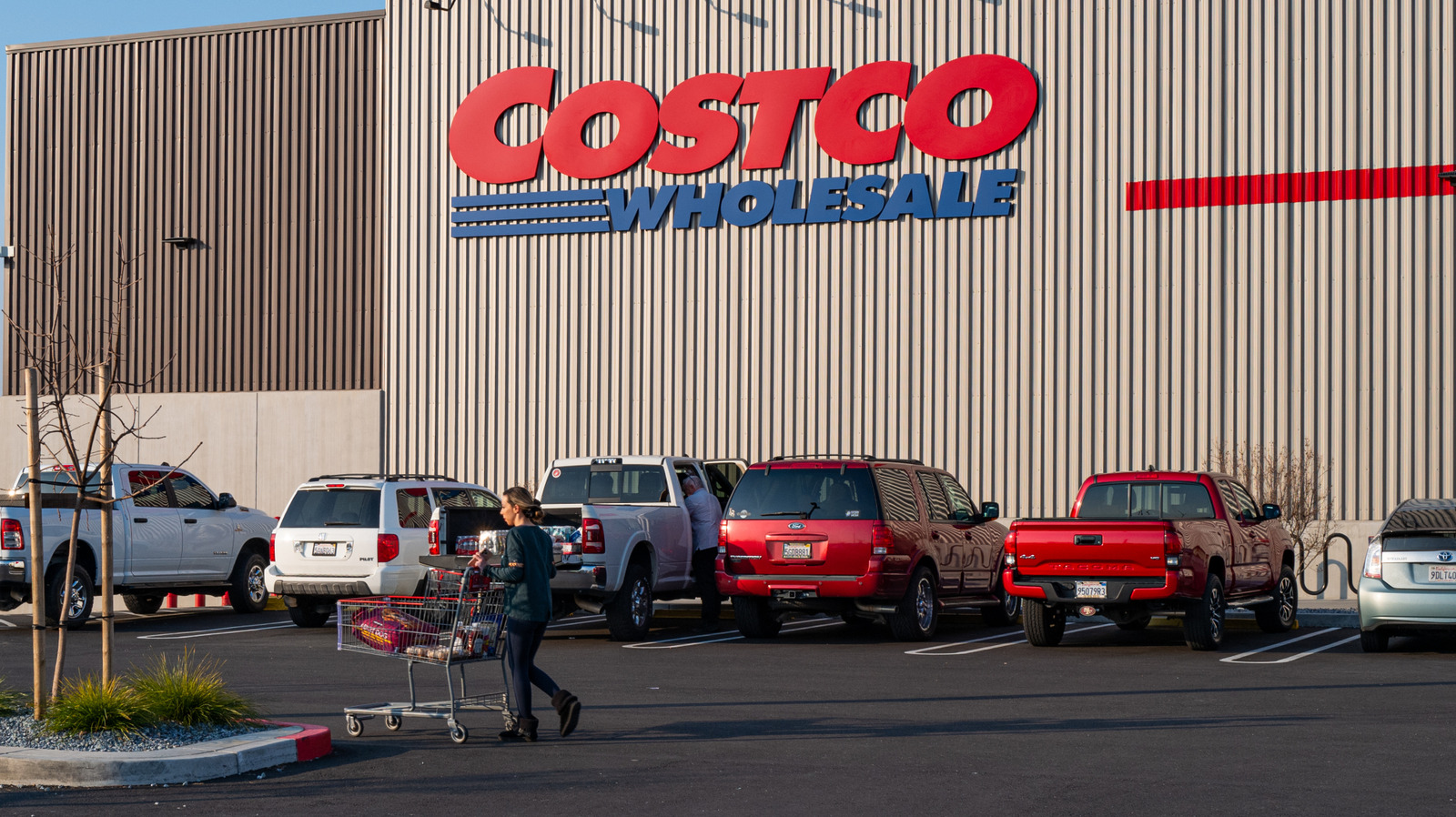
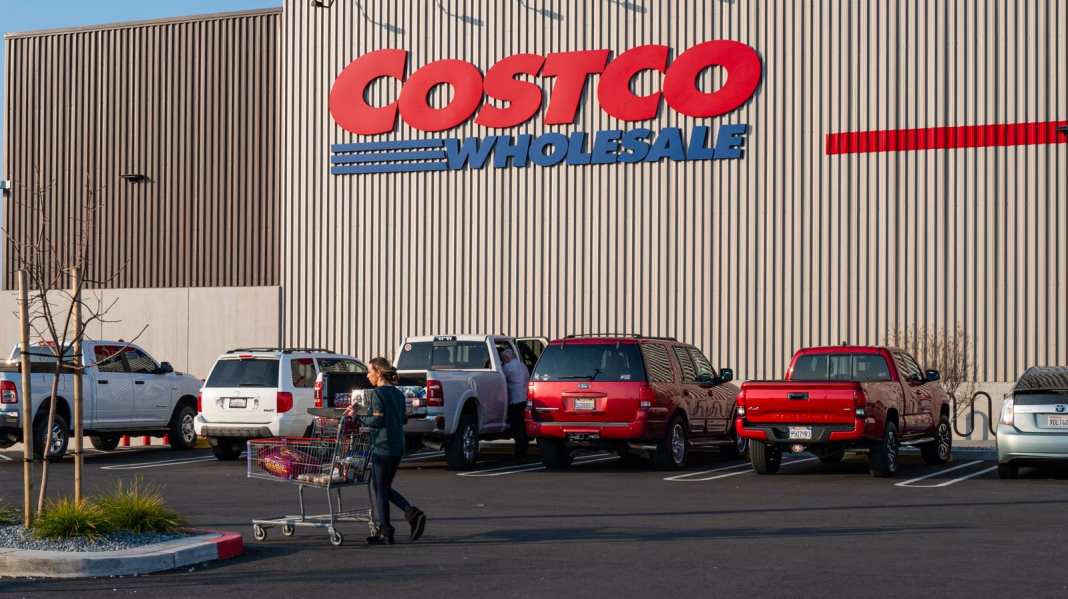
At first glance, Costco’s parking lots look pretty standard. Rows of cars, a sea of carts, and that familiar warehouse facade. But there’s a method to the madness. Unlike many big-box retailers that squeeze every inch for maximum capacity, Costco’s lots are intentionally designed for flow, not just volume.
The key? Wider driving lanes and more generous parking spaces. According to parking design experts, Costco typically allocates about 10 feet per space—wider than the industry average. That extra room means less door-dinging, easier maneuvering, and less stress when you’re wrangling a 48-pack of paper towels into your trunk.
How Does Costco Handle High Traffic Without Gridlock?
It’s not just about the size of the spaces. Costco’s lots are laid out with efficiency in mind. You’ll notice fewer dead-end aisles and more through-lanes, which means you’re less likely to get trapped behind someone waiting for a spot. The entry and exit points are also strategically placed to keep cars moving, even during peak hours.
A 2022 study from the International Parking & Mobility Institute found that lots with multiple access points and clear sightlines reduce congestion by up to 30 percent. Costco’s approach lines up perfectly with these findings. The result? Even when the store is packed, you’re not stuck circling the lot like a vulture.
Why Don’t You See as Many Cart Jams or Pedestrian Hazards?
Ever noticed how Costco’s cart corrals are everywhere? That’s no accident. By placing them throughout the lot, Costco cuts down on stray carts and makes it easier for shoppers to return them—no marathon walks required. This small tweak keeps the lot tidier and safer, reducing the risk of runaway carts dinging your car.
Plus, the walkways are usually extra wide, and there’s often a clear path from the entrance to the lot. This isn’t just about convenience; it’s a safety feature. According to the National Safety Council, parking lot accidents account for over 50,000 crashes a year in the US. Costco’s design choices help keep those numbers down.
Is There a Secret to Finding the Best Spot at Costco?
Here’s a tip from frequent Costco shoppers: don’t just follow the crowd toward the front. Because the lot is designed for easy in-and-out access, sometimes the best spots are actually a row or two farther from the entrance. You’ll avoid the bottleneck and often get in and out faster.
Some locations even use angled parking, which makes pulling in and backing out less of a hassle. It’s all about reducing friction—both for drivers and pedestrians.
What Can Other Retailers Learn From Costco’s Parking Strategy?
Costco’s parking philosophy isn’t just about making life easier for shoppers. It’s a strategic move that keeps customers happy and coming back. When parking is painless, people spend less time frustrated and more time shopping.
Other retailers could take a page from this playbook. Prioritizing flow, safety, and user experience over squeezing in a few extra spots can pay off in customer loyalty. And as urban planners look for ways to make cities more accessible, Costco’s approach offers a real-world example of how thoughtful design can make a difference.
The big takeaway? Costco’s parking lot isn’t about perfection—it’s about smarter adjustments. Start with one change this week, and you’ll likely spot the difference by month’s end.