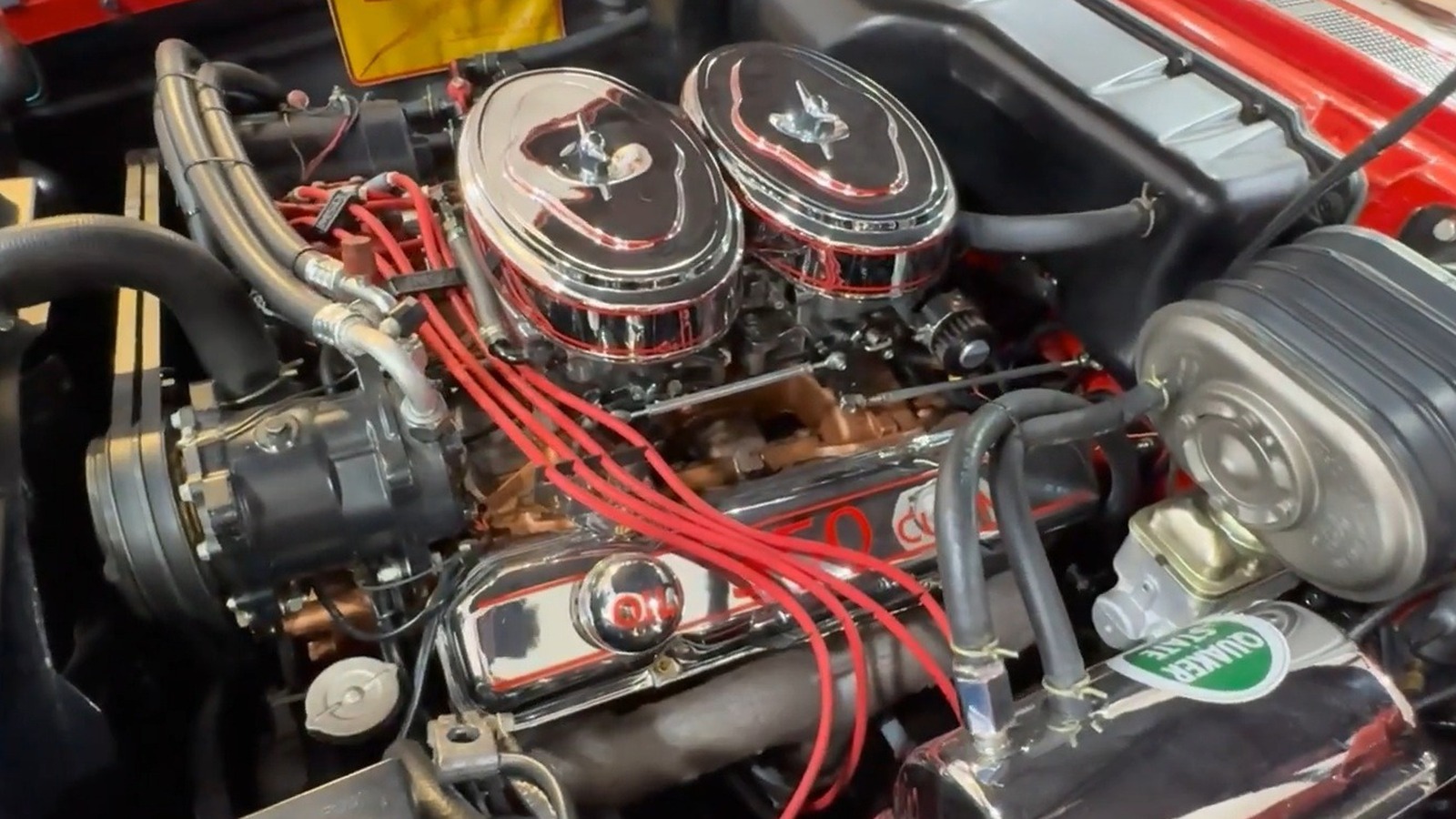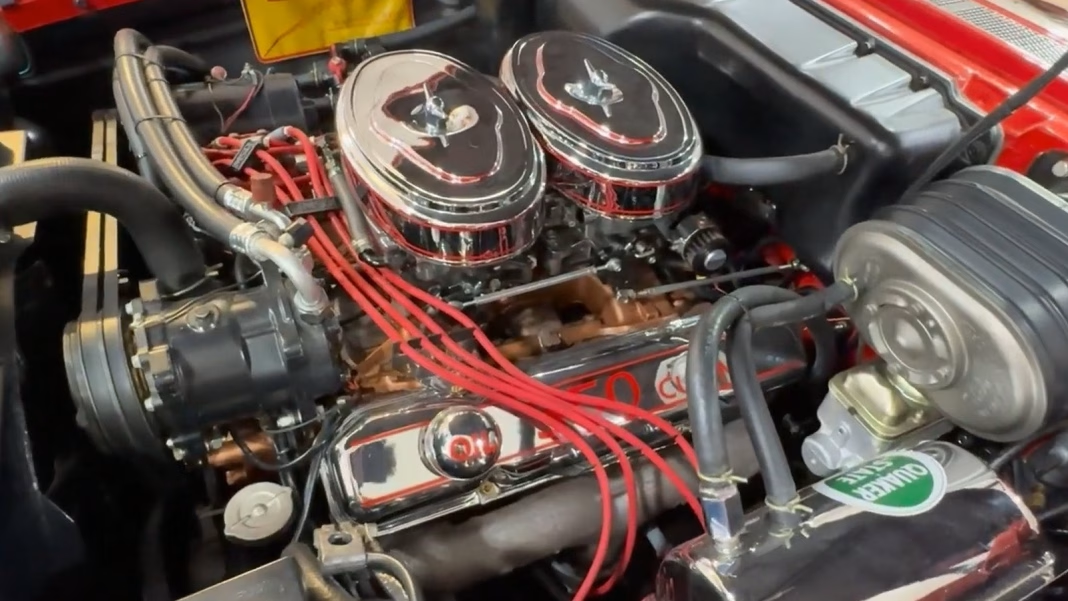
What Actually Makes an Engine a Big Block?
If you’ve ever found yourself in a garage debate about what counts as a big block engine, you’re not alone. The term big block gets thrown around a lot, but the definition isn’t as simple as a certain cubic inch number. So, what really sets a big block apart from a small block? It’s less about the size of the engine’s displacement and more about the physical architecture.
Big block engines are generally designed with larger, heavier castings, wider bore spacing, and beefier internals. They’re built to handle more power and torque, often for heavy-duty or high-performance applications. Even if two engines have similar displacements, the one with the bigger, burlier block and heads will usually earn the big block label. For example, Chevrolet’s 396 cubic inch V8 is a big block, while their 400 cubic inch small block is, well, a small block. Confusing? Absolutely. But it all comes down to the engine’s bones, not just its size.
Why Did Manufacturers Build Small Big Blocks?
You might wonder why anyone would bother making a small-displacement big block in the first place. The answer comes down to versatility and market demands. In the 1960s and 70s, automakers wanted to offer a range of powertrains that could fit different needs—sometimes even to skirt insurance regulations or racing rules.
Take Chevrolet’s 366 cubic inch big block, for instance. It was never meant for muscle cars, but for medium-duty trucks that needed the durability of a big block without the fuel thirst of a 454. Ford did something similar with its 370 and 429 big block V8s, offering both in trucks to balance power and efficiency. These engines were overbuilt for their displacement, making them nearly indestructible in the right hands.
How Small Can a Big Block Actually Get?
Here’s where things get interesting. There’s no official minimum size for a big block, but history shows us that big blocks have dipped surprisingly low in displacement. Chevrolet’s 348 cubic inch V8, introduced in 1958, is often cited as one of the smallest true big blocks. Ford’s 332 cubic inch FE V8 from 1958 is another contender, built on the same architecture as the legendary 427.
Chrysler’s B-series engines started at 350 cubic inches, and Oldsmobile’s Rocket V8s went as low as 330 cubic inches in big block form. These engines shared the same heavy-duty castings as their larger siblings, so despite their modest size, they’re still considered big blocks by most enthusiasts.
Are There Any Exceptions or Oddballs?
Of course, there are always outliers. Some manufacturers blurred the lines with engines that straddled the boundary between small and big block. Pontiac, for example, used the same basic block for all its V8s from 287 to 455 cubic inches, making the distinction almost meaningless for that brand.
Then you have specialty engines like the Ford 370, which was essentially a de-stroked 429 designed for trucks. Or the rare Chevrolet 366, which was built for medium-duty trucks and buses. These engines weren’t designed for speed, but for longevity and torque—proving that big block status isn’t just about going fast.
Does Displacement Even Matter Anymore?
In today’s world of turbocharged four-cylinders and electric motors, the big block vs. small block debate feels a bit nostalgic. But for classic car fans and engine builders, the distinction still matters. Big blocks are prized for their ability to make massive torque and survive abuse, even at smaller displacements.
Modern engine technology has blurred the lines even further. You can now get small blocks that make more power than the biggest big blocks from the muscle car era. But the physical heft and overbuilt nature of a true big block still hold a certain appeal—especially when you’re building for strength rather than outright speed.
What Should You Look for When Identifying a Big Block?
If you’re hunting for a big block, don’t just go by the numbers stamped on the side. Look for telltale signs like wider intake manifolds, larger cylinder heads, and heavier block castings. The engine’s application can also be a clue—if it was designed for trucks or high-performance cars, there’s a good chance it’s a big block.
It’s also worth checking the engine codes and casting numbers, which can tell you exactly what you’re looking at. Enthusiast forums and manufacturer documentation are gold mines for this kind of info. And if you’re ever in doubt, ask someone who’s been elbow-deep in engine bays for a few decades—they’ll set you straight.
The Big Takeaway
Big block engines aren’t defined by a magic number—they’re about robust construction and purpose-built design. Some of the smallest big blocks ever made were under 350 cubic inches, but they carried the same heavy-duty DNA as their larger siblings. The big takeaway? Chasing the perfect big block isn’t about finding the biggest number—it’s about understanding what’s under the surface. Start by learning the differences in architecture, and you’ll spot a true big block from a mile away.