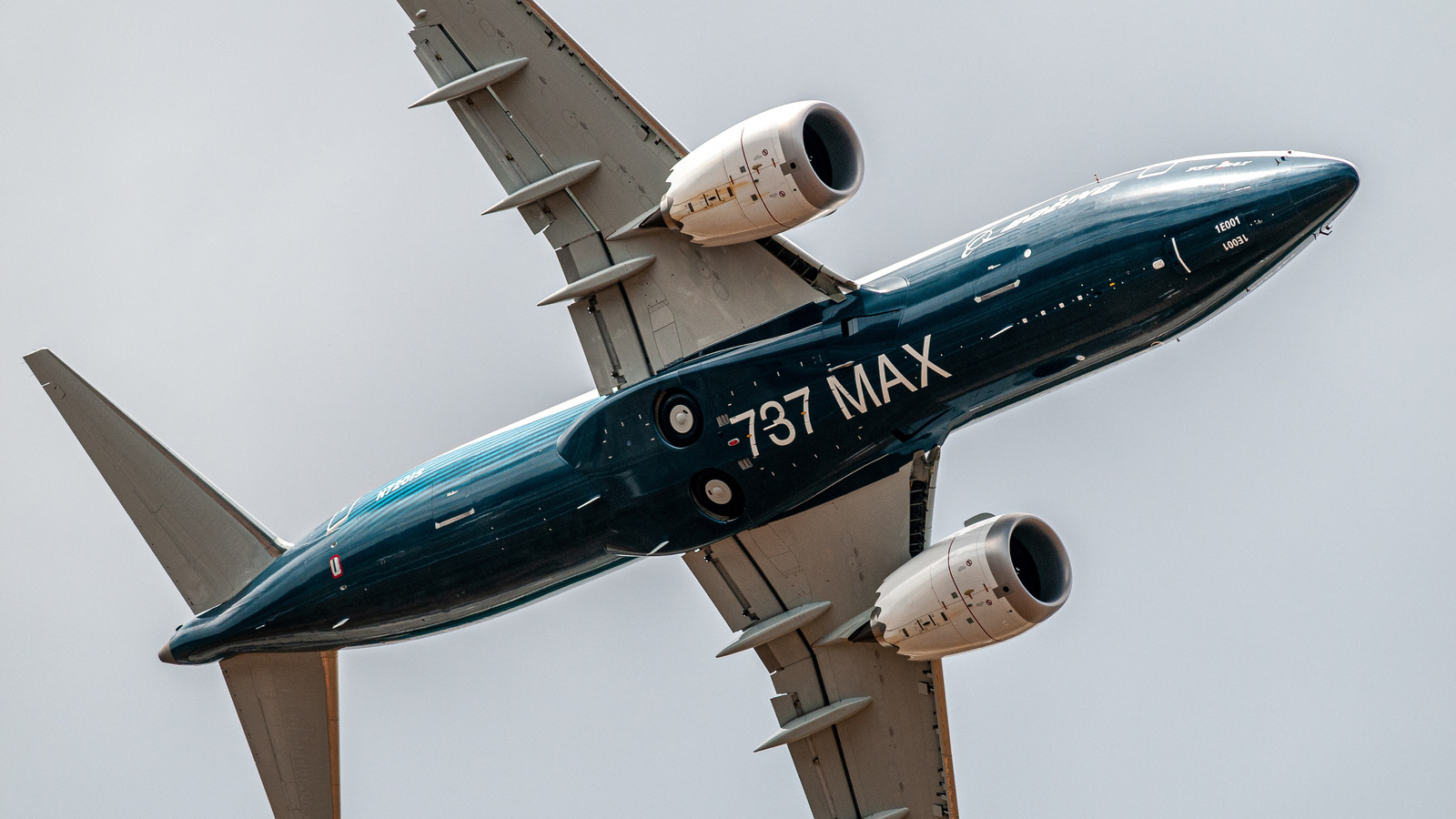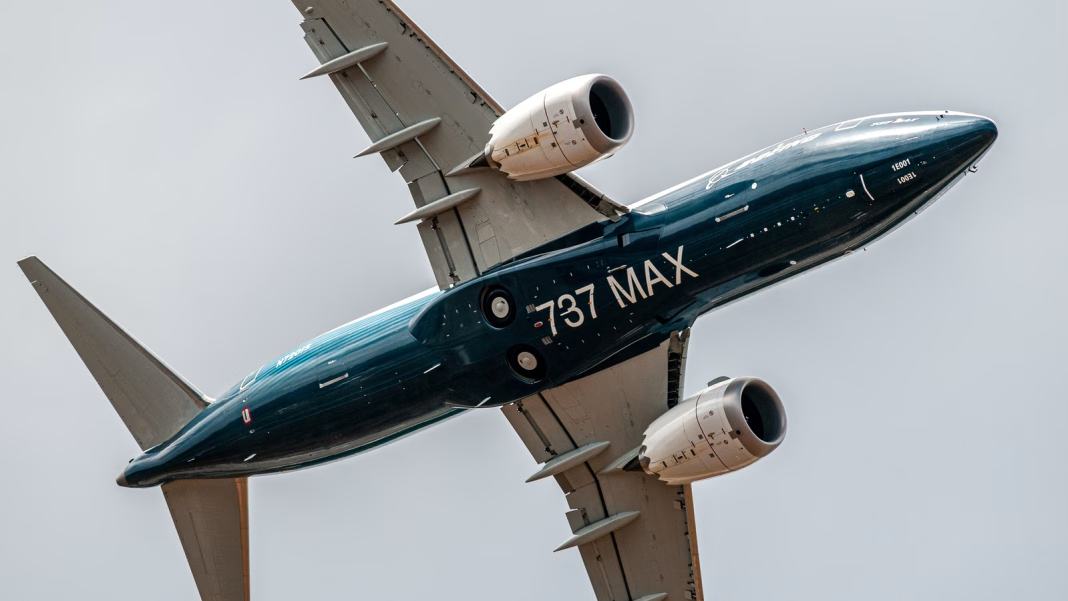
Boeing’s 737 series has long been a staple in commercial aviation, known for its reliability and efficiency. However, the introduction of the 737 MAX model turned this beloved aircraft into a source of controversy and concern. So, what went wrong with the MAX, and why has it faced such a tumultuous journey in the market? Let’s dive into the details.
What Happened with the 737 MAX?
The 737 MAX was intended to be a game-changer for Boeing, promising improved fuel efficiency and advanced technology. But shortly after its launch, two tragic crashes—the Lion Air Flight 610 disaster in October 2018 and Ethiopian Airlines Flight 302 in March 2019—raised serious alarms. Both incidents were linked to a malfunctioning automated flight control system known as MCAS (Maneuvering Characteristics Augmentation System). This system was designed to prevent stalls but ended up contributing to the crashes, leading to a worldwide grounding of the MAX fleet.
The fallout was immediate and severe. Airlines faced significant operational disruptions, and Boeing’s reputation took a massive hit. The company was forced to halt production of the MAX, and the financial implications were staggering. By the end of 2020, Boeing had lost billions, and the once-promising aircraft became synonymous with safety failures.
Why Did Sales Plummet?
Sales of the 737 MAX have struggled to recover, and several factors contribute to this ongoing issue. First, the grounding led to a loss of trust among airlines and passengers alike. When people hear about the MAX, many can’t help but recall the tragedies associated with it. This perception has made airlines hesitant to fully embrace the model, even as Boeing worked to rectify the issues.
Regulatory scrutiny has also intensified. The Federal Aviation Administration (FAA) and other global aviation authorities have implemented stricter safety regulations, making it more challenging for Boeing to navigate the re-certification process. The MAX finally returned to the skies in late 2020, but the road to recovery has been slow, with airlines cautiously reintroducing the aircraft into their fleets.
What’s Next for Boeing?
Boeing is not sitting idle. The company has made significant changes to its safety protocols and engineering practices in response to the MAX crisis. They’ve invested heavily in training for pilots and maintenance crews, ensuring that the lessons learned from the MAX incidents are not forgotten. Additionally, Boeing is working on enhancing the aircraft’s software and systems to prevent similar failures in the future.
However, the path forward is fraught with challenges. Competing aircraft models from companies like Airbus are gaining traction, and the aviation market is evolving. Airlines are looking for more than just fuel efficiency; they want reliability and safety above all else. Boeing needs to not only regain the trust of its customers but also innovate to meet the changing demands of the industry.
What Can We Learn from This Situation?
The story of the 737 MAX serves as a cautionary tale about the importance of safety and transparency in aviation. It highlights how quickly public perception can shift and how critical it is for companies to prioritize ethical practices over profit margins. For consumers, it’s a reminder to stay informed about the safety records of the airlines and aircraft they choose.
The big takeaway? The journey of the 737 MAX isn’t just about an aircraft—it’s about the broader implications for the aviation industry. It’s a lesson in resilience, accountability, and the need for continuous improvement. As Boeing works to navigate this complex landscape, one thing is clear: the focus must remain on safety and innovation. Start with one change this week, and you’ll likely spot the difference by month’s end.