What Does a Tire’s Speed Rating Actually Mean?
Ever noticed those cryptic letters on your tire’s sidewall—H, V, W, and so on—and wondered what they’re really about? That’s your tire’s speed rating, and it’s more than just a technical detail. It’s a direct measure of how fast your tires can safely go, and it plays a surprising role in how your car feels on the road.
How Do Speed Ratings Affect Your Everyday Drive?
Think of speed ratings as a promise from the tire manufacturer. Each letter corresponds to a maximum speed the tire can handle for extended periods without risking failure. For example, an H-rated tire is built for speeds up to 130 mph, while a V-rated tire can handle up to 149 mph. But here’s the twist: it’s not just about top speed. Higher-rated tires often have stiffer sidewalls and specialized rubber compounds, which can change how your car rides and handles—even at everyday speeds.
So, if you swap out your original tires for ones with a higher speed rating, you might notice a firmer, more responsive feel. That’s great for cornering and spirited driving, but it can also mean a slightly harsher ride over potholes and rough pavement. On the flip side, lower-rated tires tend to be softer and more forgiving, which can make for a smoother, quieter commute.
Are You Required to Match Your Vehicle’s Original Speed Rating?
Here’s where things get practical. Most automakers recommend sticking with the speed rating specified for your vehicle, and in some cases, it’s required by law—especially if your car is still under warranty or you’re leasing. Why? Because the suspension, brakes, and even the electronic stability systems are tuned with a specific tire performance in mind.
That said, if you rarely drive at high speeds and prioritize comfort over razor-sharp handling, you might be tempted to choose a lower speed rating. Just be aware: doing so can affect your car’s safety and performance, and insurance companies may have something to say if there’s ever an accident. Always check your owner’s manual and consult a trusted tire professional before making the switch.
Can a Higher Speed Rating Improve Safety?
It’s a common myth that higher speed ratings automatically mean better safety. In reality, a tire’s speed rating is about heat resistance and structural integrity at sustained high speeds—not necessarily about grip or stopping distance. That said, tires with higher ratings often use advanced materials and tread designs, which can translate to better handling and shorter braking distances, especially in performance vehicles.
But there’s a trade-off. Those same tires may wear out faster and cost more to replace. According to a 2023 industry report, ultra-high-performance tires can wear out up to 25% faster than their touring counterparts, especially if you drive aggressively or in hot climates.
How Do You Find Your Tire’s Speed Rating?
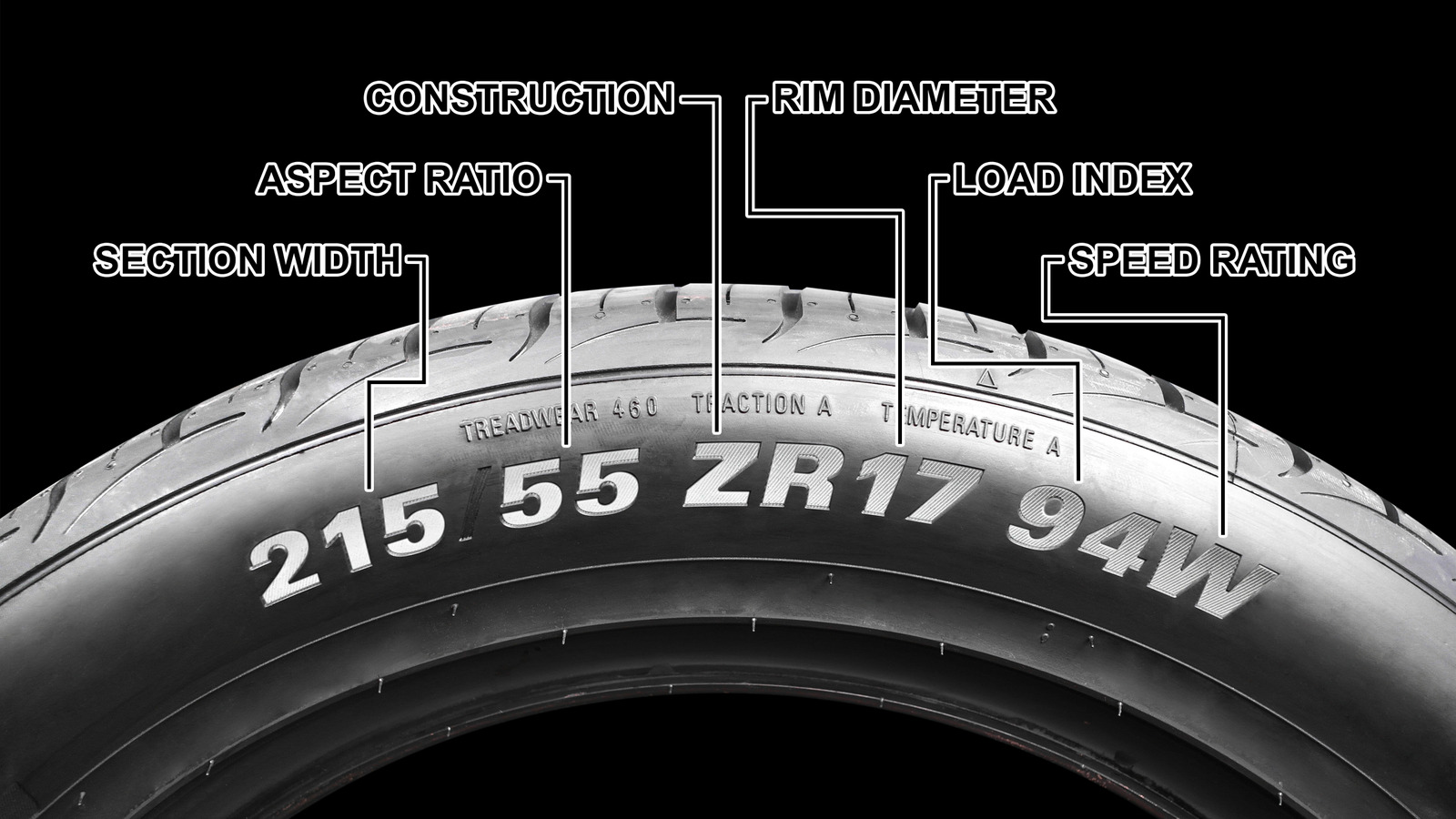
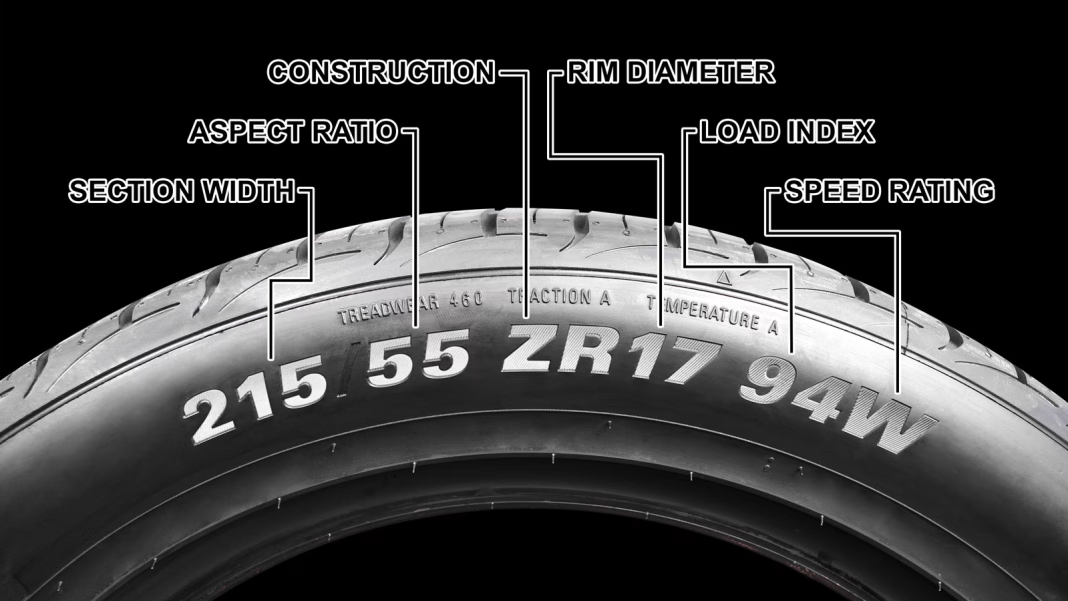
It’s easier than you might think. Just look at the sidewall of your tire. You’ll see a string of numbers and letters—something like 225/45R17 91V. The last letter (in this case, V) is your speed rating. There’s a handy chart available from the U.S. Tire Manufacturers Association that breaks down what each letter means, but here’s a quick cheat sheet for the most common ones:
– S: up to 112 mph
– T: up to 118 mph
– H: up to 130 mph
– V: up to 149 mph
– W: up to 168 mph
– Y: up to 186 mph
If you’re unsure, your vehicle’s door jamb sticker or owner’s manual will list the recommended rating.
What Happens If You Ignore Speed Ratings?
Let’s get real—most drivers in the U.S. will never approach the maximum speed their tires are rated for. But speed ratings aren’t just about hitting triple digits on the highway. They also reflect how well a tire can handle heat, stress, and sudden maneuvers. Using a tire with too low a rating for your car can lead to overheating, blowouts, or unpredictable handling, especially in emergency situations.
A real-world example: a family sedan equipped with V-rated tires (instead of the original T-rated ones) may feel sportier, but the ride could become noticeably stiffer. Conversely, downgrading to a lower rating might make your car feel floaty or less precise in corners. It’s a balancing act—comfort, performance, and safety all play a role.
How Should You Choose the Right Speed Rating for Your Needs?
Start with your driving habits. Are you mostly commuting in city traffic, or do you enjoy long highway drives and the occasional backroad adventure? Do you value comfort, or do you crave sharp handling? Factor in your local climate, too—high-performance tires may not be ideal for winter conditions.
If you’re unsure, stick with the manufacturer’s recommendation. It’s the safest bet for most drivers. But if you’re looking to tweak your car’s personality, consult with a tire expert who can help you weigh the pros and cons. Sometimes, a small change in speed rating can make a noticeable difference in how your car feels—without sacrificing safety.
The big takeaway? Tire speed ratings aren’t about perfection—they’re about smarter adjustments. Start with one change this week, and you’ll likely spot the difference by month’s end.