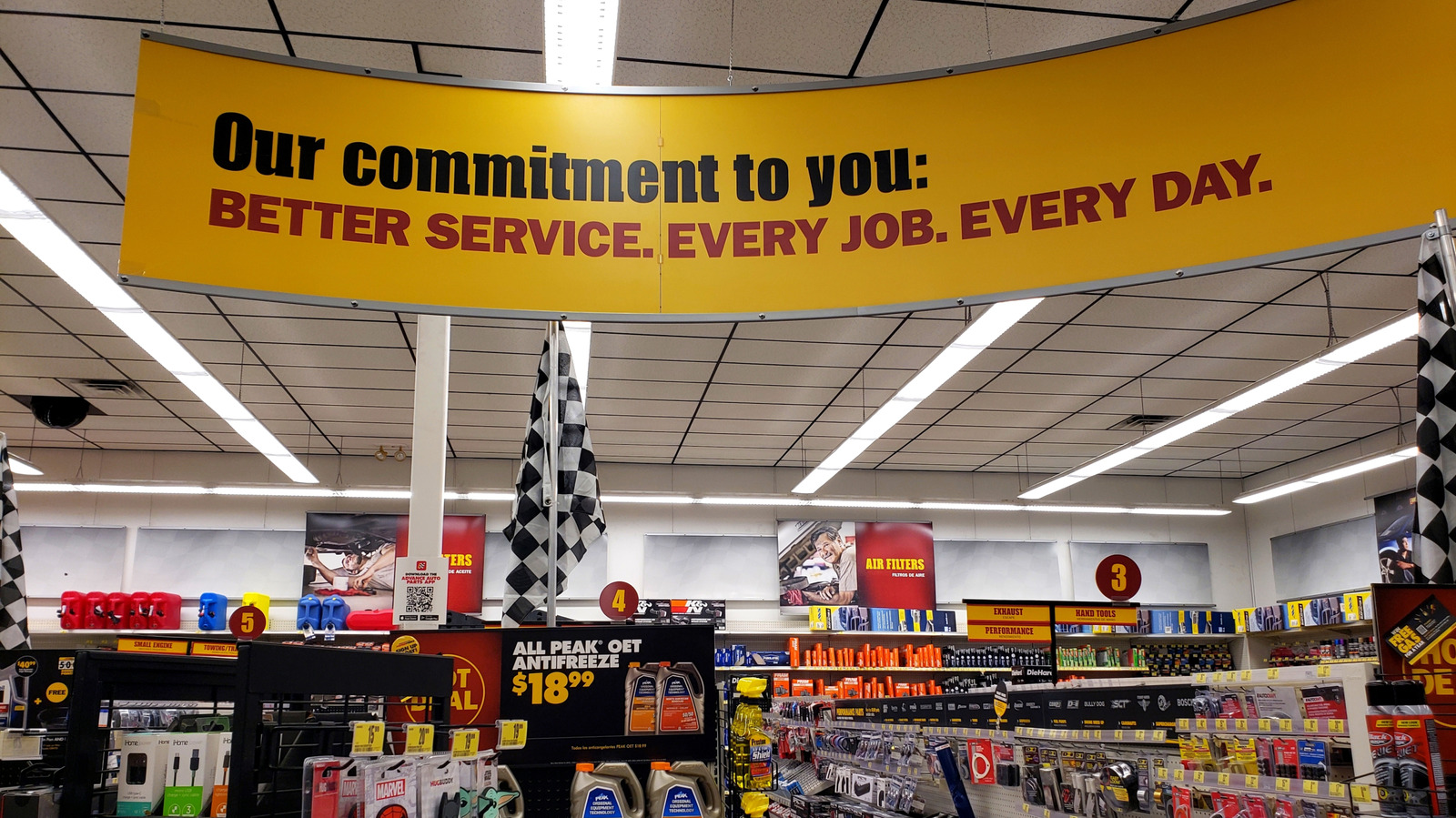
What Makes Auto Parts Stores So Memorable—For Better or Worse?
Ask anyone who’s spent time in an auto parts store, and you’ll quickly discover: the stories are legendary. Some folks walk away with a trunk full of exactly what they needed, plus a few tips for their next oil change. Others? They leave shaking their heads, vowing never to return. So what’s at the heart of these wildly different experiences? It turns out, the best (and worst) moments come from both sides of the counter.
Why Do Customers Keep Coming Back—Or Swearing Off Forever?
Let’s be honest: most people don’t stroll into an auto parts store for fun. They’re there because something’s broken, and they need help—fast. When a customer is greeted by someone who actually listens, asks the right questions, and doesn’t treat them like a walking wallet, it’s a game-changer. According to a 2023 survey by the National Retail Federation, nearly 70% of shoppers said knowledgeable staff was the number one reason they’d return to a specialty store. That’s huge.
But when things go sideways? It’s usually because of poor communication or a lack of expertise. Imagine standing in line, clutching a worn-out alternator, only to be told you must have the wrong part—when you know you don’t. Or worse, being upsold on something you clearly don’t need. These moments stick with people, and not in a good way.
What Do Employees Really Think About Their Customers?
Flip the script, and you’ll find employees have their own tales to tell. Most auto parts workers genuinely want to help, but they’re often juggling a dozen tasks at once—inventory, phone calls, and the occasional customer who’s convinced their 1997 sedan is a rare collector’s item. The best employees know how to balance patience with efficiency, and they can spot the difference between a DIY newbie and a seasoned gearhead in about three seconds flat.
But there are challenges. A 2022 study from the Retail Management Institute found that over 55% of auto parts store employees cited customer impatience and unrealistic expectations as their biggest stressors. It’s not always easy to keep your cool when someone’s demanding a part that hasn’t been made since the Reagan administration.
How Can Both Sides Make the Experience Better?
Here’s the secret sauce: empathy and preparation. Customers who come in with a clear idea of what they need—maybe even the part number—make life easier for everyone. Employees who take a minute to listen, rather than just recite what’s on the screen, can turn a stressful situation into a surprisingly pleasant one.
A real-world example? Take the story of a customer who brought in a mystery bolt, hoping to find a match. Instead of brushing him off, the employee dug through bins, checked old catalogs, and even called a retired colleague for advice. The result? Pure magic. That customer became a regular, and he still tells the story years later.
Are There Ways to Avoid the Most Common Pitfalls?
Absolutely. For customers, a little research goes a long way. Snap a photo of the part you need, jot down your vehicle’s VIN, and don’t be afraid to ask questions. For employees, patience and honesty are key. If you don’t know the answer, say so—but offer to find out. People appreciate transparency more than a half-baked guess.
Industry data backs this up. A 2023 report from J.D. Power found that auto parts stores with the highest customer satisfaction scores were those where staff admitted when they didn’t know something, but quickly found a solution. It’s not about having all the answers—it’s about being willing to help.
What’s the Real Reason These Interactions Matter?
At the end of the day, auto parts stores are more than just shelves of spark plugs and wiper blades. They’re places where trust is built—or broken—in a matter of minutes. Both customers and employees remember the moments when someone went the extra mile, or when a simple transaction turned into a headache.
The big takeaway? Making auto parts store experiences better isn’t about perfection—it’s about smarter adjustments. Start with one change this week, and you’ll likely spot the difference by month’s end.