What Are the Real Benefits of Adding Solar Power to Your RV?
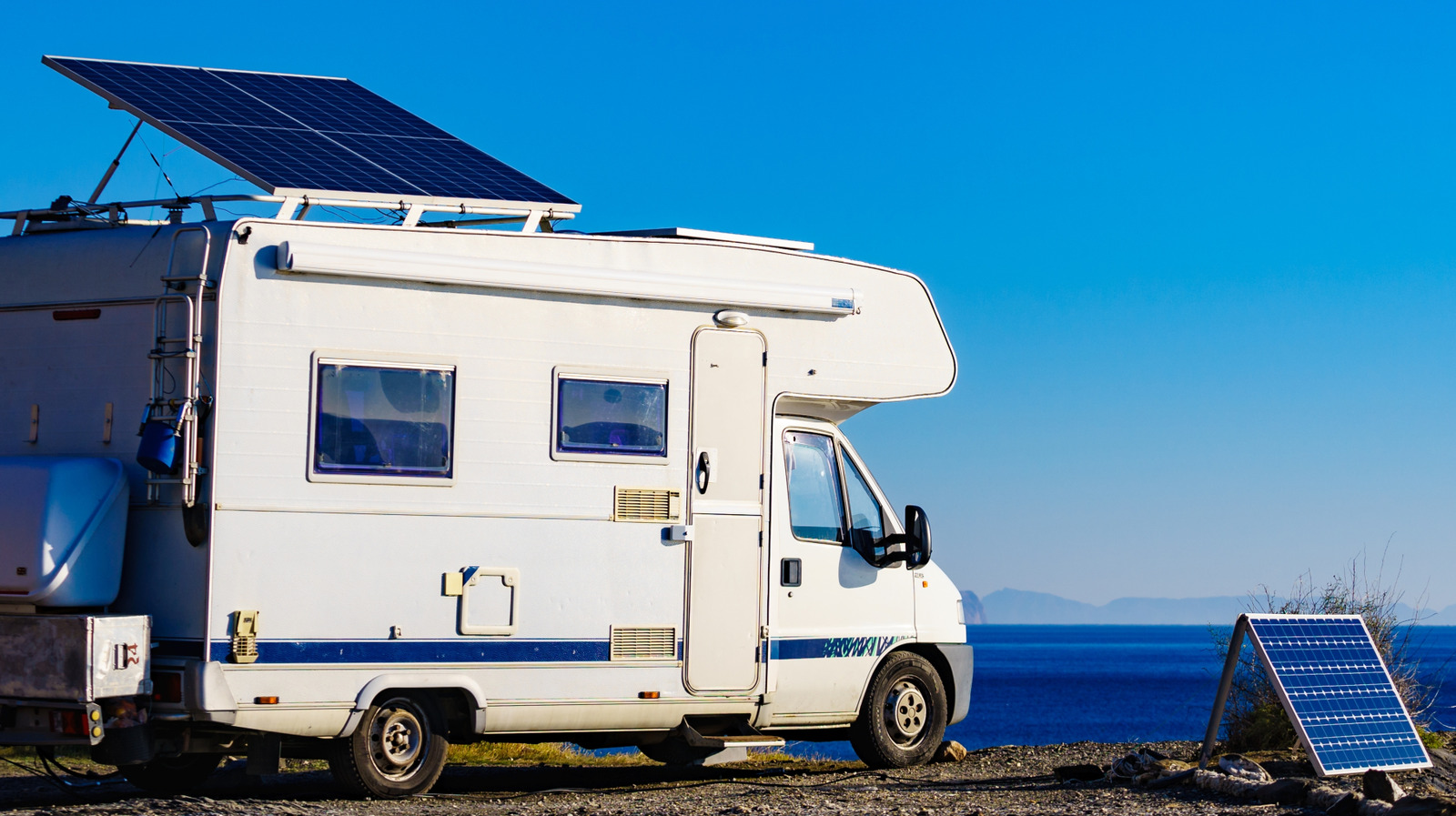
Imagine pulling into a quiet forest clearing or a sun-drenched desert and knowing you’re not tethered to a campground’s electrical post. That’s the magic of solar power for RVs. It’s not just about saving a few bucks on hookups—solar lets you camp almost anywhere, for longer, and with fewer worries about running out of juice. According to the RV Industry Association, more than 1 million Americans live in RVs full-time, and a growing number are turning to solar to fuel their adventures. The freedom is real: solar panels quietly charge your batteries during the day, so you can run lights, fans, and even small appliances well into the night.
How Much Solar Power Do You Actually Need for Your RV?
This is the million-dollar question, and the answer depends on your habits. Are you a weekend warrior who just needs to keep the lights on and charge your phone? Or do you want to power a fridge, laptop, and maybe even a coffee maker every morning? Most RVers find that a 200-400 watt solar setup covers the basics—think lights, water pump, and device charging. If you want to run an air conditioner or microwave, you’ll need a much larger system and possibly a generator backup. A good rule of thumb: calculate your daily power usage in amp-hours, then size your solar system to replace that amount (plus a little extra for cloudy days). The National Renewable Energy Laboratory offers handy calculators to help you estimate your needs.
What Equipment Is Essential for a Reliable RV Solar Setup?
It’s not just about slapping a panel on the roof and calling it a day. A solid RV solar system has four main components: solar panels, a charge controller, batteries, and an inverter. Here’s the breakdown:
– Solar panels: Monocrystalline panels are more efficient and durable, but polycrystalline panels can be more budget-friendly.
– Charge controller: This device regulates the voltage and current from the panels to prevent overcharging your batteries. MPPT controllers are pricier but more efficient than PWM models.
– Batteries: Deep-cycle lithium batteries are the gold standard—lighter, longer-lasting, and faster to charge than traditional lead-acid batteries. They’re an investment, but they pay off in the long run.
– Inverter: If you want to use standard household appliances, you’ll need an inverter to convert DC battery power to AC.
Don’t forget wiring, mounting brackets, and fuses. A poorly installed system can be a headache—or even a fire hazard. If DIY isn’t your thing, consider hiring a professional installer with experience in RV solar.
Can You Really Go Off-Grid with Solar Alone?
Here’s where expectations meet reality. Solar is fantastic for off-grid living, but it has its limits. On sunny days, you’ll have plenty of power for essentials. But if you’re parked in the shade, or it’s cloudy for days, your batteries might not keep up. Many seasoned RVers use solar as their primary source and carry a small generator as backup for emergencies or heavy loads. The good news? With efficient LED lighting, energy-smart appliances, and a bit of planning, most folks find they can go days—or even weeks—without plugging in.
What’s the Real Cost of Adding Solar to Your RV?
Sticker shock is common, but let’s break it down. A basic 200-watt kit (panels, controller, wiring) runs $400-$700. Add lithium batteries and a quality inverter, and you’re looking at $2,000-$4,000 for a robust setup. Installation costs vary—DIYers save money, but pros charge $500-$2,000 depending on complexity. The upside: solar pays for itself over time, especially if you camp off-grid often. According to a 2023 survey by RV Life, solar-equipped RVers save an average of $500 per year on campground fees and generator fuel.
What Are the Most Common Mistakes People Make When Installing RV Solar?
Even the handiest DIYers can trip up. One big mistake? Underestimating power needs. It’s easy to forget about phantom loads—things like propane detectors or stereo systems that draw power even when “off.” Another pitfall: skimping on battery capacity or buying cheap components that don’t last. And don’t overlook shading—one small shadow can dramatically cut panel output. If you’re unsure, consult with an expert or join an RV solar forum to learn from others’ experiences.
Is Solar Worth It for Occasional RVers?
If you only camp a few weekends a year at full-hookup sites, solar might not pay off. But if you crave the flexibility to camp anywhere—or want to reduce your environmental footprint—it’s a game-changer. Solar also keeps your batteries topped up during storage, extending their life and saving you money in the long run.
How to Get the Most Out of Your RV Solar System
Maximizing your setup is all about balance. Park in the sun when you can, keep panels clean, and use energy wisely. Swap out old bulbs for LEDs, unplug devices when not in use, and consider adding a battery monitor to track usage. Many RVers find that after a few trips, they naturally adjust their routines to fit their solar system’s capabilities.
The big takeaway? Adding solar to your RV isn’t about perfection—it’s about smarter adjustments. Start with one change this week, and you’ll likely spot the difference by month’s end.