
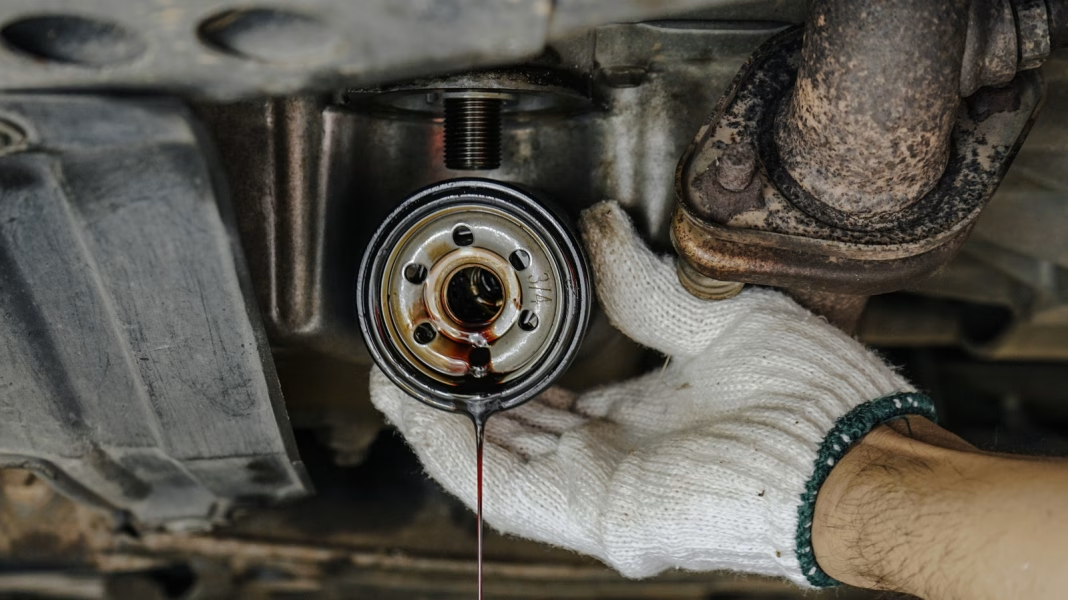
Every gas-powered vehicle is equipped with an oil filter, which plays a crucial role in keeping the engine clean by filtering out contaminants from the oil. But if that’s the case, why do some truck owners opt for a second “bypass” oil filter? And is it something you should consider for your own vehicle? Let’s dive into the world of oil filtration and see what the buzz is all about.
What Is a Bypass Oil Filter, Anyway?
A bypass oil filter is an additional filter that works alongside the standard oil filter. While the primary filter handles the bulk of the oil filtration, the bypass filter targets even smaller particles—those tiny bits that can slip through the main filter. This secondary filter is designed to catch contaminants that are as small as one micron, which can significantly improve the overall cleanliness of the engine oil.
Why Do Truck Owners Choose Bypass Filters?
The reasons for installing a bypass filter can vary, but they often boil down to a few key benefits:
1. **Extended Oil Life**: By removing more contaminants, a bypass filter can help extend the life of your engine oil. This means you might not need to change your oil as frequently, saving you time and money in the long run.
2. **Engine Longevity**: Cleaner oil means less wear and tear on engine components. For truck owners who rely on their vehicles for heavy-duty work, this can translate into fewer repairs and a longer lifespan for the engine.
3. **Improved Performance**: With cleaner oil circulating through the engine, you may notice improved performance. This can be particularly beneficial for trucks that are used for towing or hauling heavy loads.
4. **Peace of Mind**: For many truck enthusiasts, knowing that their engine is running with the cleanest oil possible provides a sense of security. It’s about taking that extra step to ensure everything is functioning optimally.
Is It Worth the Investment?
Now, you might be wondering if the benefits of a bypass filter justify the cost and installation effort. Here’s where it gets interesting. While the initial investment can be a bit steep—bypass filters can range from $100 to $300 or more—the long-term savings on oil changes and engine repairs can make it worthwhile.
For those who drive their trucks under extreme conditions—think heavy towing, off-roading, or long-haul driving—a bypass filter can be a game-changer. However, if your truck is primarily used for light, everyday driving, the standard oil filter may suffice.
Real-World Examples
Consider the case of a truck owner who frequently tows a camper across the country. After installing a bypass filter, they noticed that their oil stayed cleaner for longer, allowing them to extend their oil change intervals. This not only saved them money but also reduced the hassle of frequent maintenance.
On the flip side, a casual driver who uses their truck for short trips around town might find that the added complexity of a bypass filter isn’t necessary. It all comes down to how you use your vehicle.
What Should You Consider Before Installing One?
If you’re contemplating adding a bypass filter to your truck, here are a few things to keep in mind:
– **Installation**: Make sure you’re comfortable with the installation process or have a trusted mechanic who can handle it for you. Some systems can be a bit tricky to set up.
– **Maintenance**: Bypass filters require their own maintenance, including regular replacement. Factor this into your decision-making process.
– **Compatibility**: Not all vehicles are compatible with bypass filters. Check your truck’s specifications to ensure it’s a good fit.
The big takeaway? Installing a bypass oil filter isn’t about perfection—it’s about smarter adjustments. If you’re someone who pushes your truck to its limits, consider making the switch. Start with one change this week, and you’ll likely spot the difference by month’s end.
