What Do All Those Buttons on a Formula 1 Steering Wheel Actually Do?
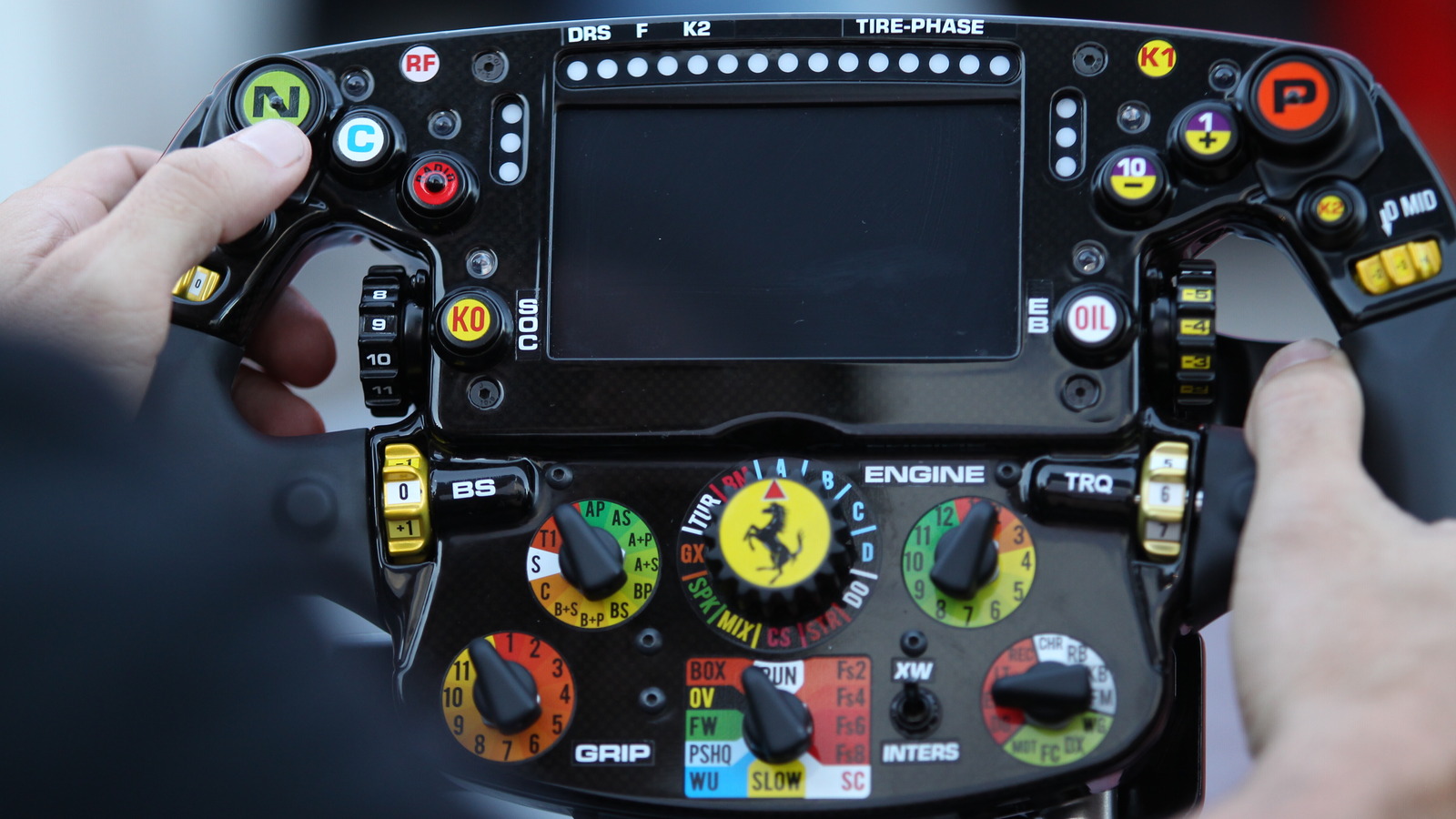
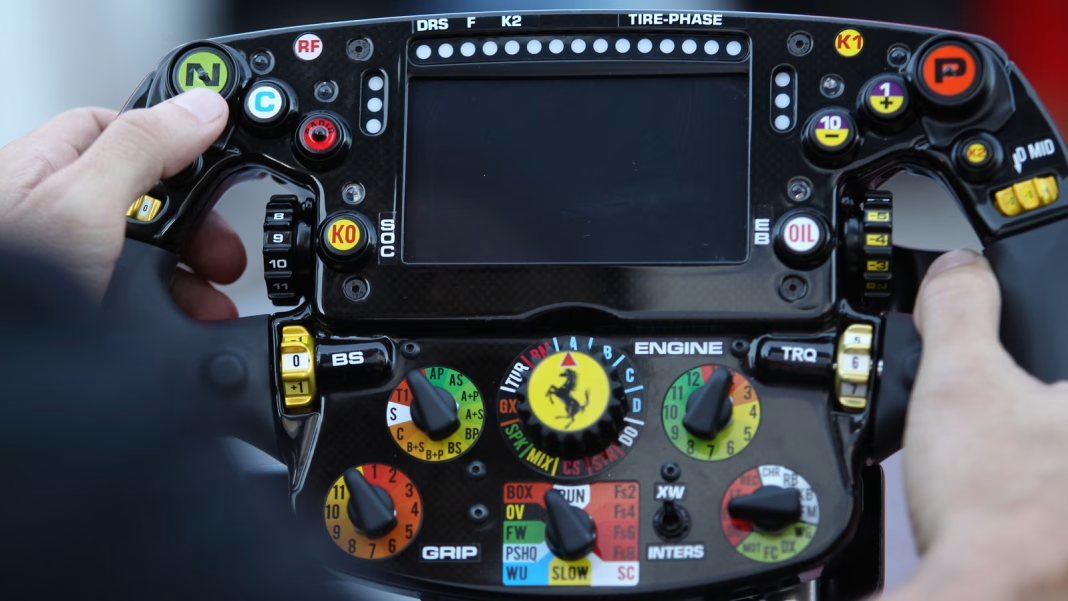
Ever caught a glimpse of a Formula 1 steering wheel and wondered if it’s secretly a spaceship control panel? You’re not alone. Each wheel is packed with buttons, dials, and paddles—every one crucial to a driver’s performance. Let’s break down what the mysterious K1 and K2 buttons do, along with a few other controls that make these wheels the nerve center of an F1 car.
Why Are There So Many Buttons on an F1 Steering Wheel?
At first glance, it might seem excessive—why not just steer and go? But in F1, drivers are constantly managing everything from engine modes to brake balance, all while hurtling around corners at over 200 mph. The steering wheel is their command center. Each button, switch, or rotary dial is there to help drivers adapt to changing conditions, execute race strategies, or squeeze out a bit more speed when it matters most.
What’s the Purpose of the K1 and K2 Buttons?
Let’s get right to the heart of the mystery: K1 and K2. These buttons are typically mapped to special engine modes that deliver extra power for short bursts. Think of them as a “push-to-pass” or “overtake” button, but with a twist.
K1 usually unleashes a higher deployment of electrical energy from the car’s hybrid system. It’s perfect for overtaking or defending against a rival. K2, on the other hand, might be set up for a slightly different power curve—maybe a bit less aggressive, or optimized for a specific part of the track. Teams can customize these modes, so K1 and K2 might do different things depending on the car and the race strategy.
A real-world example: During a tense battle, a driver might hit K1 on a straight to blast past a competitor, then use K2 on the next lap to maintain pace without draining the battery too quickly. It’s a balancing act—use too much, and you risk running out of energy when you need it most.
How Do Drivers Use These Buttons During a Race?
It’s not just about mashing buttons at random. Drivers memorize the wheel’s layout and practice using each control until it’s second nature. In fact, F1 teams run simulator sessions where drivers rehearse scenarios—like deploying K1 for an overtake, then quickly switching to a fuel-saving mode for the next sector.
Communication with the pit wall is key. Engineers might instruct the driver to switch to K2 for a few laps to manage battery temperatures, or to avoid triggering a penalty for excessive energy use. It’s a dance between raw speed and careful resource management.
What Other Buttons Are Essential on an F1 Steering Wheel?
Beyond K1 and K2, there’s a whole ecosystem of controls:
– Brake balance adjusters: Shift more braking force to the front or rear wheels, depending on tire wear or track conditions.
– Differential settings: Fine-tune how power is delivered to the rear wheels, crucial for traction out of corners.
– Radio: Stay in touch with the team—vital for strategy calls or reporting issues.
– Pit limiter: Keeps the car at the legal speed in the pit lane (no one wants a penalty for speeding here).
– DRS (Drag Reduction System): Opens a flap in the rear wing for extra speed on straights, but only in designated zones.
Each team has its own layout, and drivers often request tweaks to suit their preferences. It’s not unusual for a rookie to spend weeks just getting comfortable with the wheel’s complexity.
How Do Teams Decide What Each Button Does?
Customization is the name of the game. Teams analyze data from practice sessions and tailor the wheel’s functions for each race. For example, at a high-speed circuit like Monza, the K1 button might deliver maximum electrical boost for overtaking on long straights. At a twisty track like Monaco, it could be set for better traction out of slow corners.
According to a 2023 report from Motorsport Technology, teams use real-time telemetry to monitor how drivers use these buttons, making adjustments even during the race weekend. The result? A wheel that’s as much a part of the car’s performance as the engine or tires.
What’s It Like for Drivers to Master the Steering Wheel?
Imagine playing a high-stakes video game, but every button press affects your lap time, tire wear, and even your safety. That’s the reality for F1 drivers. Lewis Hamilton once described the learning curve as “overwhelming at first,” but after enough practice, it becomes muscle memory.
Rookies sometimes make mistakes—hitting the wrong button in the heat of battle can mean the difference between a podium and a DNF (Did Not Finish). But with experience, drivers develop a sixth sense for the wheel, making split-second decisions without taking their eyes off the track.
The Big Takeaway? F1 steering wheels aren’t about perfection—they’re about smarter adjustments. Start with one change this week, and you’ll likely spot the difference by month’s end. Whether you’re a fan or an aspiring racer, understanding these controls gives you a whole new appreciation for the skill and strategy behind every lap.