What Kind of Bird Did Pontiac Put on the Hood of Trans Ams?
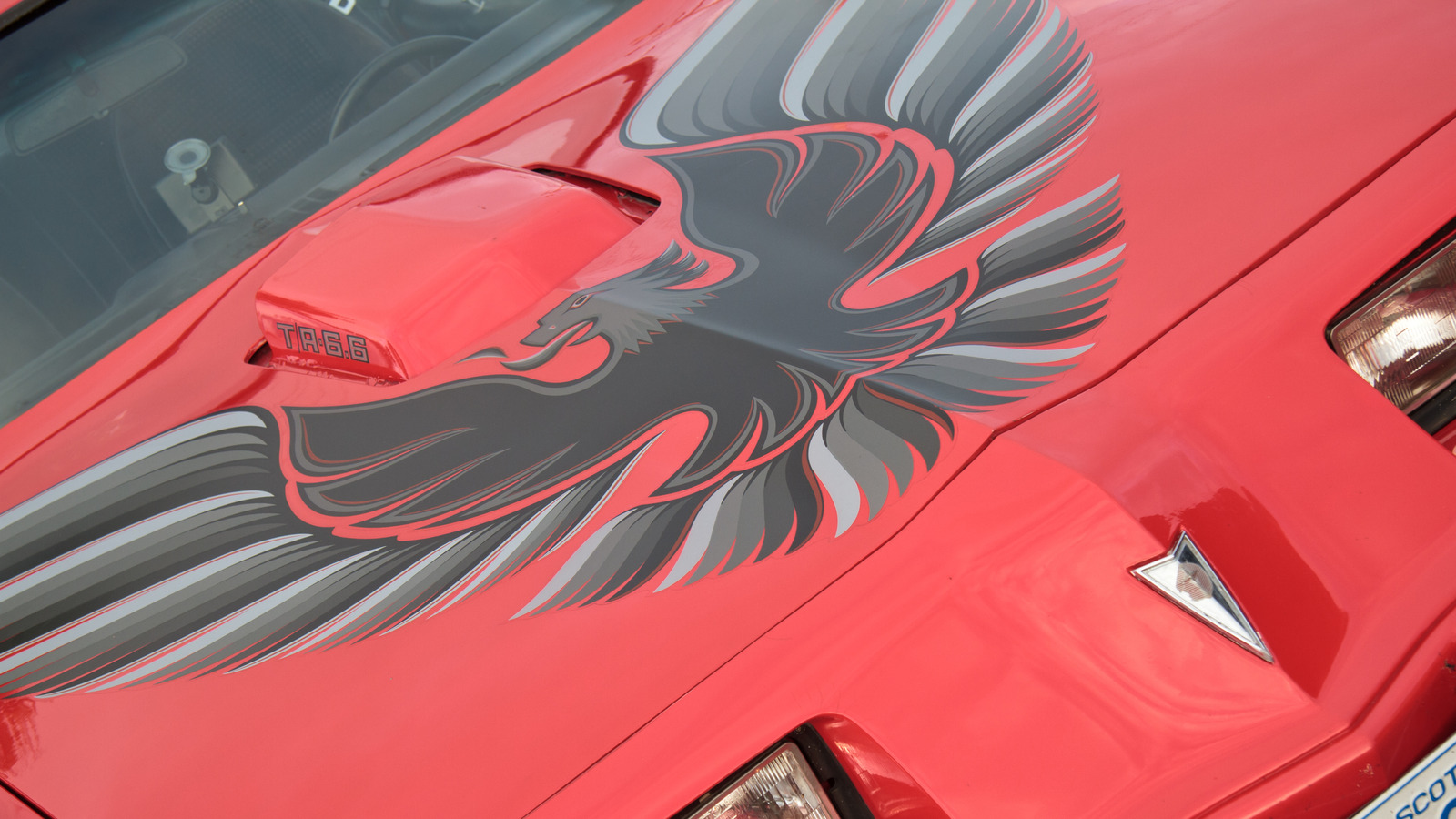
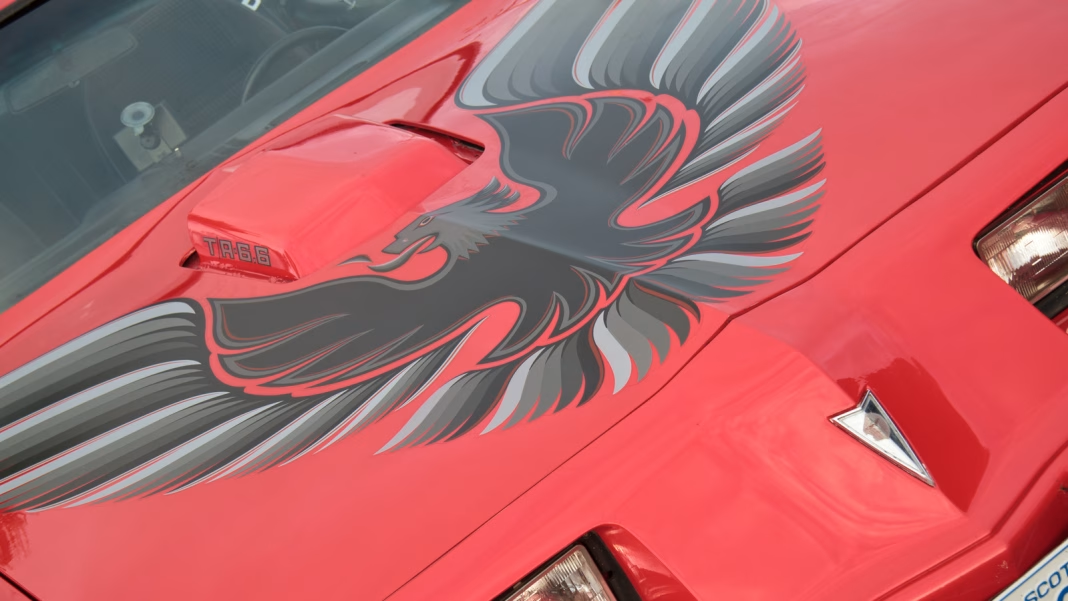
If you’ve ever spotted a classic Pontiac Trans Am roaring down the road, chances are your eyes were drawn straight to that massive, flamboyant bird stretching its wings across the hood. It’s bold, it’s unmistakable, and it’s become one of the most iconic automotive graphics in history. But what’s the story behind this legendary decal—and what kind of bird is it, exactly?
Was the Trans Am Hood Bird Really an Eagle?
Let’s clear up a common misconception right away: while many people call it a “firebird” or even a “phoenix,” the bird on the Trans Am’s hood was, in fact, inspired by the American bald eagle. Designers wanted something that would scream power and freedom—two qualities that fit the muscle car era to a tee. The bald eagle, a symbol of American strength and independence, was a natural fit.
But the Trans Am’s bird isn’t just a straightforward eagle. The stylized flames and exaggerated wings give it an almost mythical quality, blending the real with the fantastical. That’s where the “firebird” nickname comes in, and why some fans still debate whether it’s an eagle, a phoenix, or something else entirely.
What Inspired the Design of the Trans Am’s Hood Decal?
The story behind the Trans Am’s hood bird is as colorful as the decal itself. In the early 1970s, Pontiac’s design team was looking for a way to make the Trans Am stand out. They drew inspiration from several sources, including Native American art, hot rod culture, and even the bold graphics found on drag racing cars.
According to interviews with former Pontiac designers, the final version of the bird was heavily influenced by the work of automotive artist Norm Inouye. He took the idea of the eagle and gave it a dramatic, almost aggressive posture, with flames licking out from the wings and tail. The result? Pure magic. The decal wasn’t just a sticker—it was a statement.
Why Did Pontiac Choose Such a Dramatic Hood Graphic?
Back in the muscle car heyday, standing out was everything. Pontiac wanted the Trans Am to be instantly recognizable, even at a glance. The giant bird decal did just that. It turned the car into a rolling billboard for American performance and style.
There was also a bit of marketing genius at play. The bird became a symbol not just for the Trans Am, but for the entire Pontiac Firebird lineup. It helped cement the car’s place in pop culture, especially after its starring role in movies like Smokey and the Bandit. Suddenly, everyone wanted a car with that wild, fiery bird on the hood.
How Has the Hood Bird Aged in Car Culture?
Decades later, the Trans Am’s hood bird is still a showstopper. Classic car shows, auctions, and even modern restomods pay tribute to the original design. According to data from Hagerty, values for well-preserved Trans Ams—especially those with the original bird decal—have climbed steadily over the past decade, outpacing many other muscle cars from the same era.
Enthusiasts love the bird for its audacity. It’s a symbol of a time when automakers weren’t afraid to take risks, and when cars were as much about personality as performance. Even today, you’ll find fans debating the best color combinations, from the classic black-and-gold to the rare blue-and-silver editions.
What Makes the Trans Am Hood Bird So Enduring?
It’s not just nostalgia that keeps the Trans Am’s hood bird alive. There’s something universal about its design—a blend of artistry, attitude, and Americana. The decal manages to be both over-the-top and tasteful, a balancing act that few automotive graphics have ever pulled off.
Design experts point out that the bird’s symmetry and flowing lines give it a sense of motion, even when the car is parked. It’s a perfect example of how a well-executed visual can elevate an entire brand. And for many owners, that bird isn’t just decoration—it’s a badge of honor.
The Big Takeaway? The Trans Am Hood Bird Isn’t About Perfection—It’s About Smarter Adjustments
The story of the Trans Am’s hood bird is a reminder that sometimes, the boldest ideas come from blending tradition with a bit of rebellion. Whether you see it as an eagle, a firebird, or something in between, its legacy is all about standing out and embracing what makes you unique. Start with one bold change—on your car, your work, or your life—and you’ll likely spot the difference by month’s end.