Why Did Gearheads Call the Muncie M22 the Rock Crusher?
If you’ve spent any time around classic muscle cars or vintage drag strips, you’ve probably heard someone mention the Rock Crusher. No, it’s not a piece of mining equipment—it’s the legendary Muncie M22 manual transmission. But why did this gearbox earn such a tough-sounding nickname?
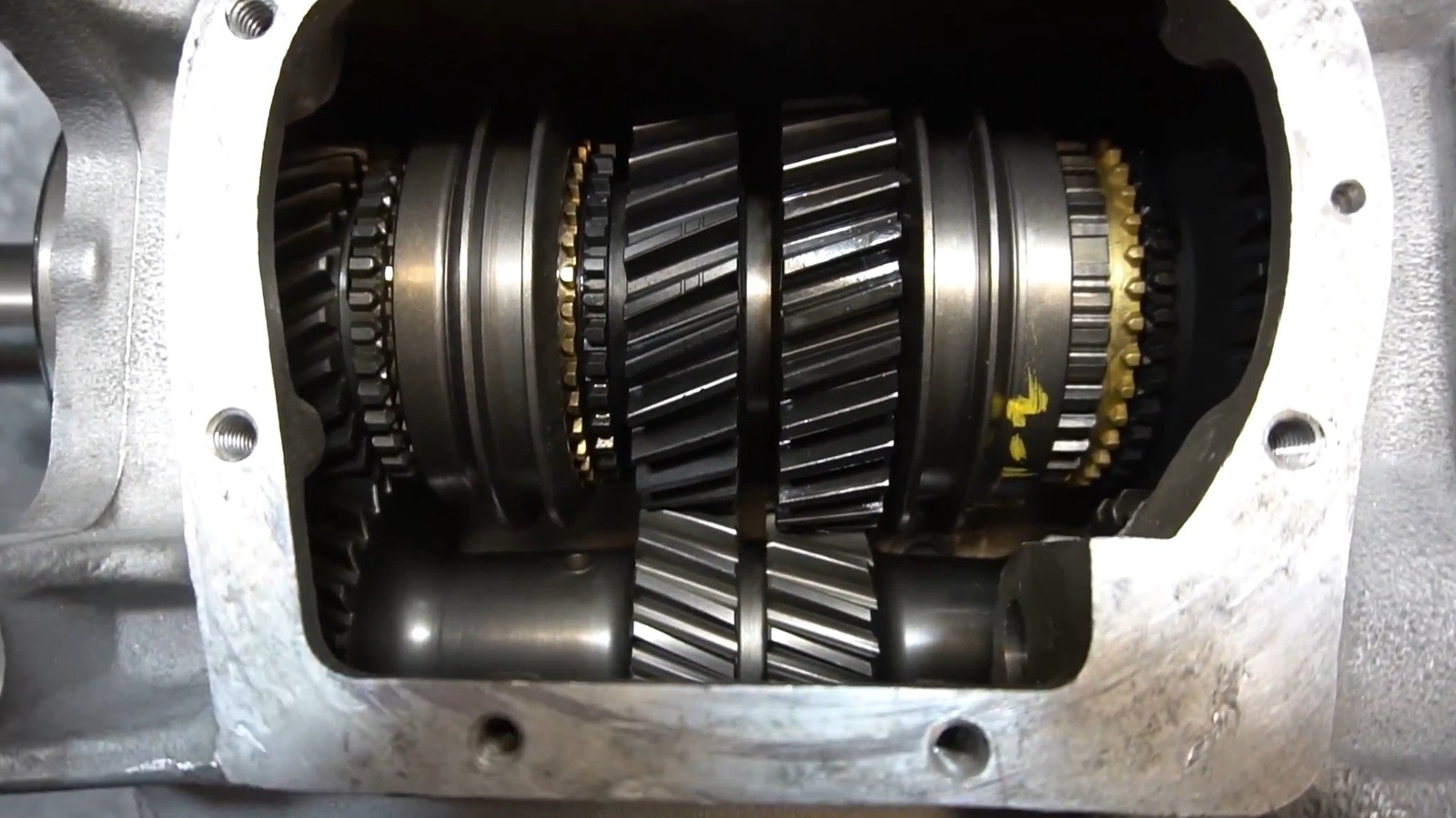
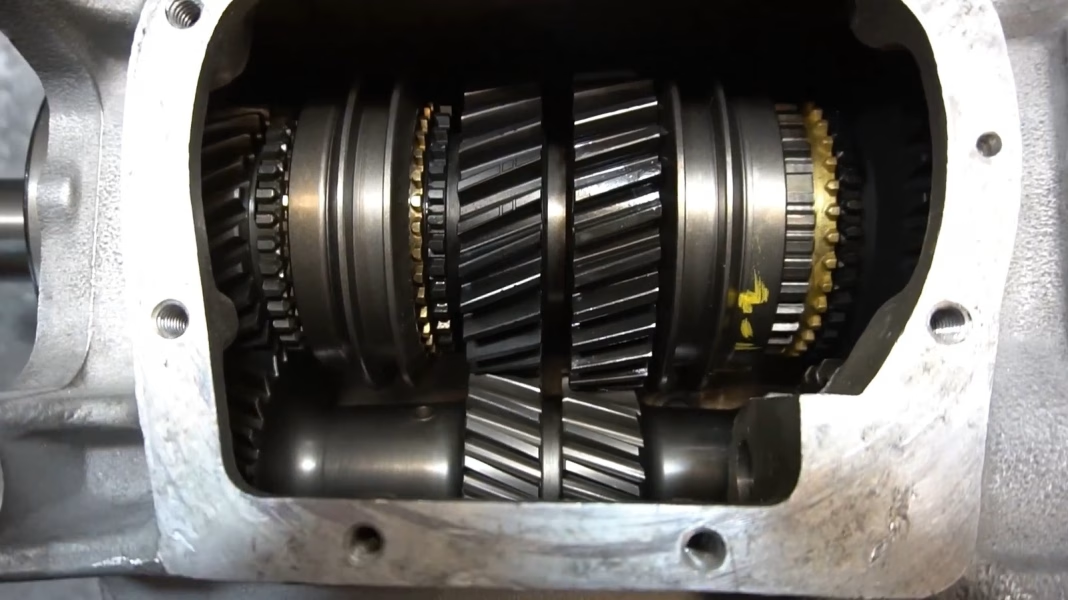
It all comes down to the sound. The Muncie M22 was engineered with a unique set of straight-cut gears, unlike the helical gears found in most transmissions. When you row through the gears in an M22, you get a distinctive, high-pitched whine—almost like rocks being crushed together. That unmistakable howl quickly became a badge of honor among car enthusiasts. If you heard that noise coming from a Chevelle, Camaro, or Corvette, you knew there was something serious under the hood.
What Made the Muncie M22 Different From Other Transmissions?
Let’s get specific. The Muncie M22 was introduced in 1965 as a heavy-duty upgrade over the M20 and M21. While those earlier Muncies used helical gears for quieter operation, the M22’s straight-cut (spur) gears were all about strength and performance. Straight-cut gears reduce the amount of side load on the gear teeth, which means less friction and less heat. That’s a big deal when you’re dumping the clutch at 6,000 RPM.
But there’s a tradeoff. Straight-cut gears are noisier, which is why most street cars avoided them. For racers and performance junkies, though, the extra noise was a small price to pay for durability. The M22 could handle more torque and abuse than its siblings, making it a favorite for drag racing, road racing, and any situation where breaking parts was a real risk.
Where Did the M22 Shine—and Where Did It Fall Short?
The Muncie M22’s biggest strength was its toughness. Thanks to its beefier gears and improved metallurgy, it could take a pounding that would send lesser transmissions to the scrapyard. It was a popular choice in big-block Chevys and high-output small-blocks, especially in the late 1960s and early 1970s when horsepower wars were in full swing.
However, the M22 wasn’t without its weak points. For starters, it wasn’t indestructible—especially if you were running sticky tires and a heavy right foot. The case itself could crack under extreme loads, and the synchronizers weren’t always up to the task of rapid, high-RPM shifts. Some drivers found the straight-cut gears a bit too noisy for daily driving, and the lack of overdrive meant higher RPMs at highway speeds. Not exactly ideal for long road trips.
Another issue? The M22 was expensive to produce and, as a result, relatively rare. Only a fraction of GM’s performance cars left the factory with a true Rock Crusher, making original units highly sought after by collectors today.
How Does the M22 Stack Up Against Modern Transmissions?
It’s easy to romanticize the Rock Crusher, but how does it compare to today’s gearboxes? Modern manual transmissions use advanced materials, tighter tolerances, and often feature synchronized reverse gears and multiple overdrive ratios. They’re quieter, smoother, and more efficient.
Still, there’s something about the raw, mechanical feel of the M22 that modern transmissions just can’t replicate. The direct engagement, the feedback through the shifter, and yes, that iconic whine—it’s all part of the experience. For many enthusiasts, driving an M22-equipped car is a visceral connection to a golden era of American performance.
Is It Worth Swapping an M22 Into Your Classic Car?
If you’re restoring a period-correct muscle car or building a street/strip monster, the M22 is a tempting choice. Original units are pricey, but there are high-quality aftermarket replicas that capture the spirit (and sound) of the original. Just be honest about your goals. If you want a quiet, comfortable cruiser, the M22 might not be your best bet. But if you crave that old-school, mechanical edge—and don’t mind a little noise—it’s hard to beat.
The big takeaway? The Rock Crusher isn’t about perfection—it’s about smarter adjustments. Start with one change this week, and you’ll likely spot the difference by month’s end. Whether it’s dialing in your clutch, upgrading your shifter, or just learning to appreciate that glorious whine, the M22 rewards those who embrace its quirks. Sometimes, a little noise is the sound of real progress.