What Exactly Is a HEMI Engine and Why Does It Matter?
If you’ve ever heard the throaty roar of a muscle car or seen the word HEMI splashed across the hood of a classic Dodge, you might wonder what all the fuss is about. HEMI isn’t just a catchy name—it’s shorthand for hemispherical combustion chamber, a design that’s been turning heads (and burning rubber) for decades. But what makes this engine layout so special, and why has it become such an icon in the world of performance cars?
At its core, the HEMI engine gets its name from the shape of its combustion chamber. Instead of a flat or wedge-shaped chamber, the HEMI uses a dome—think half of a grapefruit. This design allows for larger valves and a more direct path for air and fuel, which translates to better airflow and more efficient combustion. The result? More power, less wasted energy, and that unmistakable sound gearheads love.
Tracing the Roots: Where Did the First HEMI Come From?
Most folks associate HEMI with Chrysler’s muscle cars from the 1960s and 70s, but the story actually starts much earlier. The very first HEMI engine dates back to World War II, when Chrysler engineers were tasked with developing a powerful, reliable engine for military aircraft. The challenge was steep: build an engine that could deliver serious horsepower without overheating or breaking down under pressure.
The solution was the hemispherical combustion chamber. By allowing for larger valves and a straighter shot for the fuel-air mixture, the HEMI design helped the engine breathe better and run cooler. Chrysler’s experimental V16 HEMI, known as the XIV-2220, never made it into widespread production, but it laid the groundwork for everything that came after.
How Did HEMI Make Its Way Into Cars?
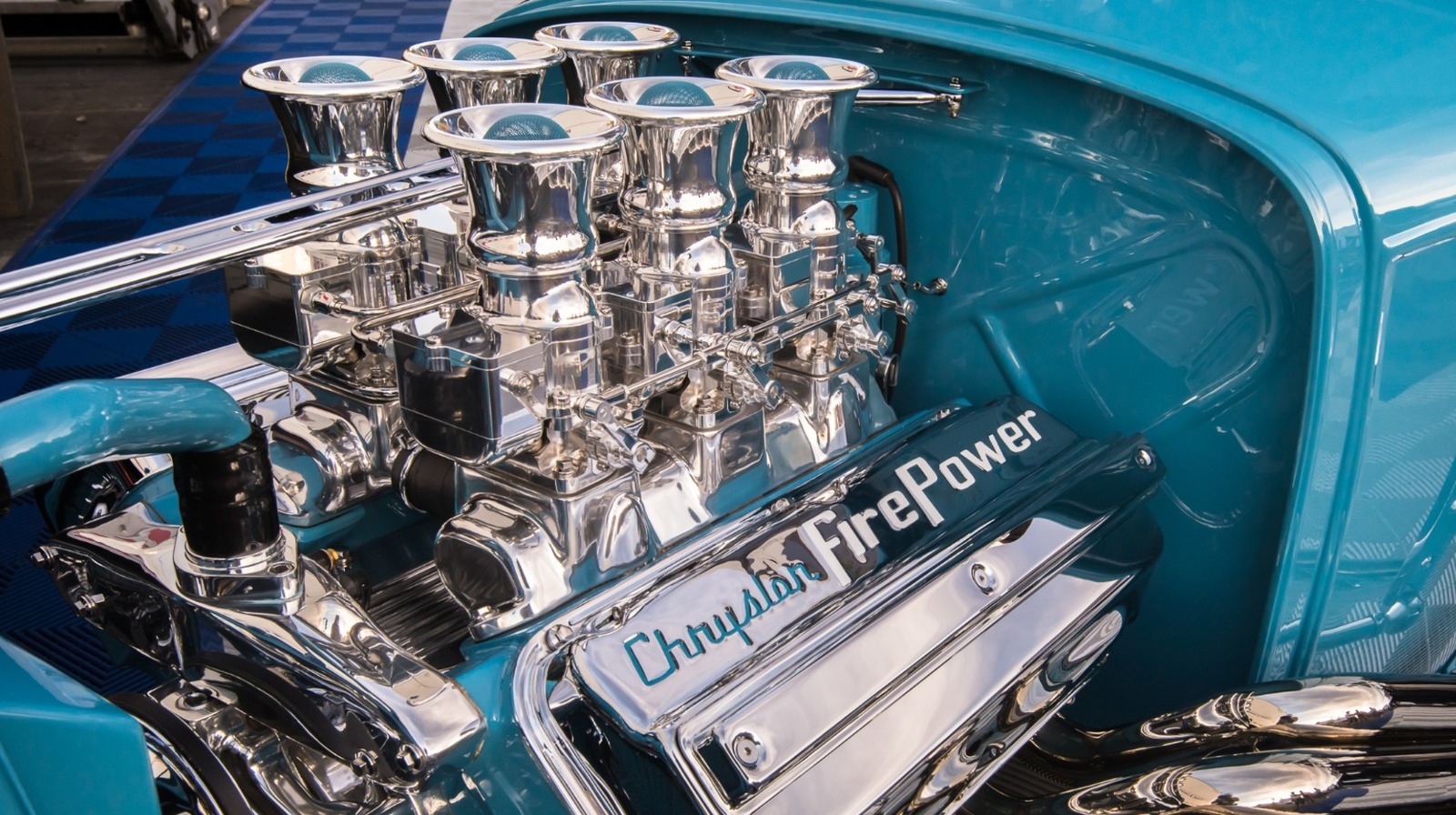
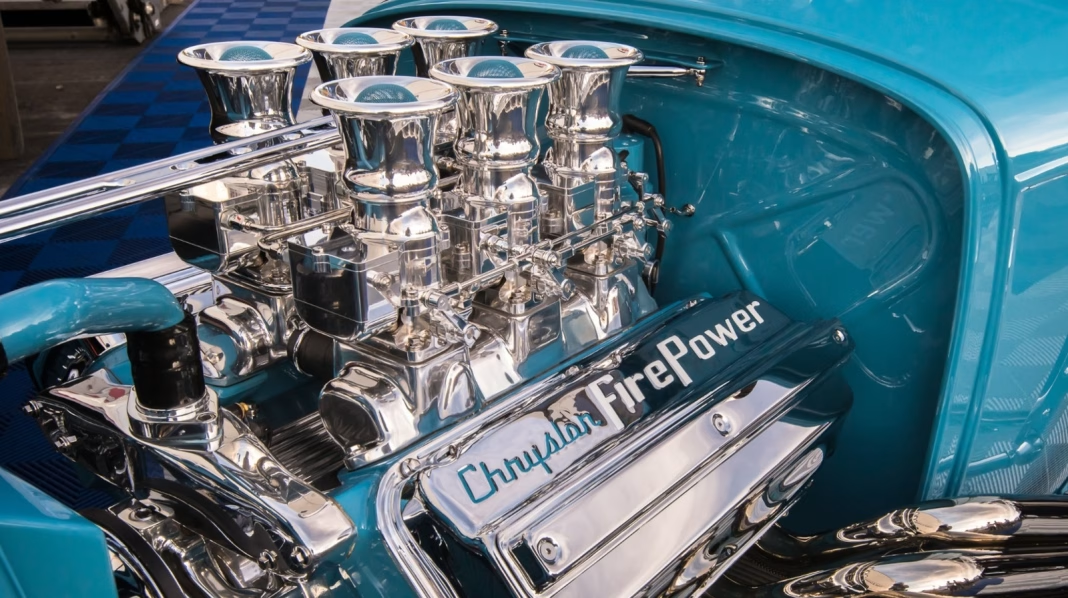
After the war, Chrysler saw the potential to bring this technology to the streets. In 1951, they introduced the FirePower V8—the first production HEMI engine for passenger cars. This wasn’t just a marketing gimmick. The FirePower delivered 180 horsepower, a jaw-dropping figure at the time, and quickly earned a reputation for durability and raw muscle.
Other automakers took note, but Chrysler’s HEMI engines set the standard. By the time the 426 HEMI rolled out in the 1960s, it was dominating NASCAR tracks and drag strips alike. The engine’s performance was so overwhelming that it was eventually banned from certain racing series, cementing its legend.
What Made the HEMI Stand Out From the Crowd?
It’s not just about brute force. The hemispherical design allows for a more complete burn of the air-fuel mixture, which means more power from every drop of gasoline. The larger valves and improved airflow also help the engine rev higher and make more torque at lower RPMs—a dream for anyone who loves acceleration.
But there’s a flip side. HEMI engines are more complex and expensive to build, thanks to their unique head design. They’re also a bit thirstier than some other engines, which became a sticking point during the fuel crises of the 1970s. Still, for drivers who crave performance, the trade-off was more than worth it.
Are Modern HEMI Engines Still True to Their Roots?
Fast forward to today, and you’ll still find HEMI engines under the hoods of Dodge Chargers, Challengers, and Ram trucks. While the technology has evolved—modern HEMIs use advanced fuel injection, variable valve timing, and other tricks to boost efficiency—the core idea remains the same. That hemispherical chamber is still doing its thing, delivering the kind of power and sound that turns heads at every stoplight.
Recent data from the EPA shows that today’s HEMI-powered vehicles are more efficient than ever, thanks to cylinder deactivation and other smart engineering tweaks. According to a 2023 report from the U.S. Department of Energy, modern HEMI engines can achieve up to 20% better fuel economy compared to their classic counterparts, all while delivering even more horsepower.
Why Does the HEMI Legacy Still Matter?
Ask any car enthusiast, and they’ll tell you: the HEMI isn’t just an engine—it’s a symbol. It represents a time when American automakers weren’t afraid to push boundaries and chase big dreams. The HEMI’s influence can be seen in everything from racing to pop culture, and its reputation for power and durability is still unmatched.
But the real magic of the HEMI is in the way it brings people together. Whether you’re wrenching on a classic Charger in your garage or just admiring the rumble of a new Ram at a stoplight, there’s something undeniably special about this engine.
The big takeaway? The HEMI legacy isn’t about perfection—it’s about smarter adjustments. Start with one change this week, and you’ll likely spot the difference by month’s end.