Automatic start/stop technology in cars has sparked quite a debate among drivers. Some find it annoying, while others, especially those navigating city streets daily, see it as a game-changer. Let’s dive into what this feature really offers and why it might be worth your attention.
What Is Automatic Start/Stop Technology?
At its core, automatic start/stop technology is designed to improve fuel efficiency and reduce emissions. When you come to a complete stop—like at a traffic light or in heavy traffic—the engine automatically shuts off. Once you’re ready to go, it restarts seamlessly. This means less idling time, which can significantly save fuel, especially in urban environments where stop-and-go traffic is the norm.
Why Do Some Drivers Find It Annoying?
For many drivers, the abrupt engine shut-off can feel jarring. You might be used to the comforting hum of your engine while waiting at a light, and suddenly it goes silent. Some people also worry about the wear and tear on their engine from frequent restarts. It’s understandable; change can be uncomfortable, especially when it comes to something as integral as driving.
However, it’s worth noting that modern vehicles are designed with this technology in mind. Manufacturers have tested and optimized engines to handle the frequent on-and-off cycles without significant wear. So, while it may feel strange at first, the technology is built to be reliable.
Who Benefits Most from This Feature?
If you’re a daily commuter in a bustling city, automatic start/stop can be a real boon. Studies have shown that urban drivers can see fuel savings of up to 10% or more. That’s not just pocket change; over time, those savings can add up. Imagine spending less on gas while also contributing to a reduction in emissions. It’s a win-win.
Additionally, this feature can help reduce engine noise and air pollution in densely populated areas. With more cars adopting this technology, the cumulative effect can lead to cleaner air and a quieter environment. For eco-conscious drivers, that’s a significant plus.
Real-World Examples of Impact
Take a look at cities like Los Angeles or New York, where traffic congestion is a daily reality. Drivers stuck in gridlock can waste gallons of fuel while idling. In contrast, vehicles equipped with automatic start/stop technology can shut off their engines during those long waits, conserving fuel and reducing emissions.
Some manufacturers have even reported that their vehicles equipped with this feature have seen a notable decrease in overall fuel consumption. For instance, a study from the European Commission found that vehicles with start/stop systems could reduce CO2 emissions by up to 5% in urban driving conditions.
Tips for Adjusting to Automatic Start/Stop
If you’re new to this technology and find it a bit disconcerting, here are a few tips to help you adjust:
1. **Give It Time**: Like any new feature, it takes a little while to get used to. After a few drives, you might find it less bothersome.
2. **Understand the Benefits**: Remind yourself of the fuel savings and environmental impact. Sometimes, a little perspective can make a big difference.
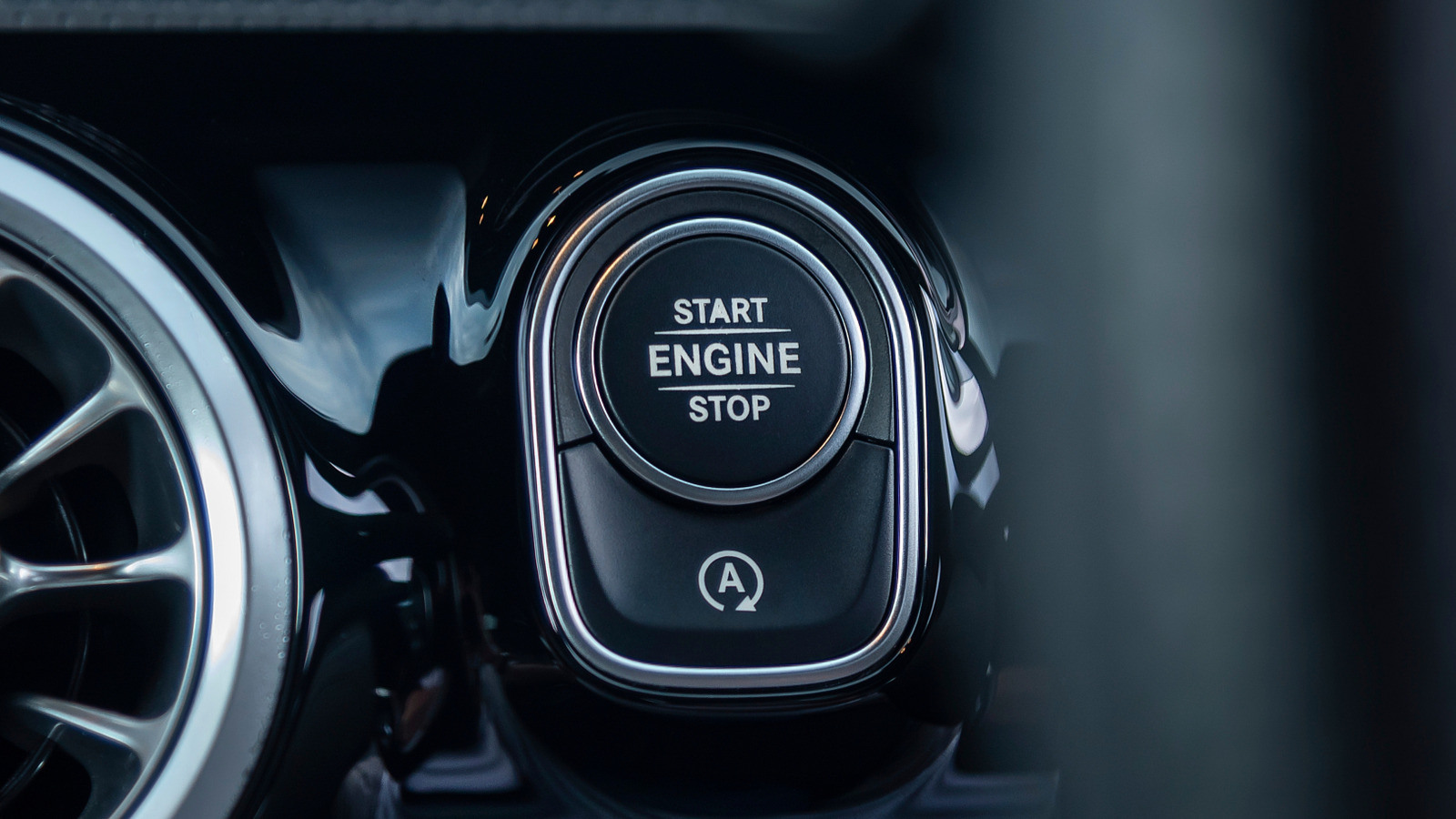
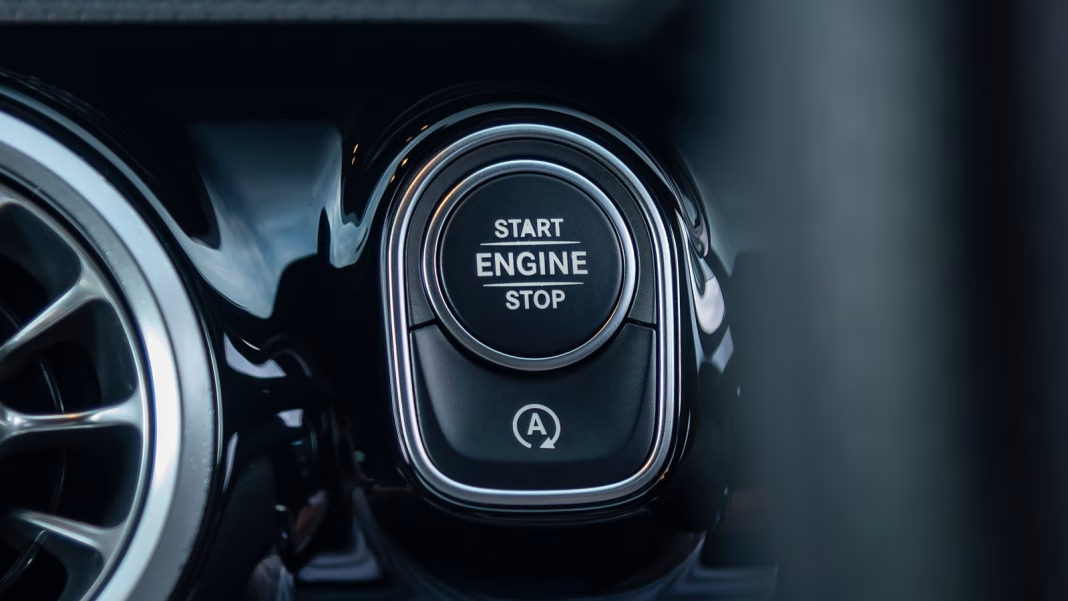
3. **Know When to Disable**: If you find yourself in situations where you prefer the engine to stay running—like in heavy traffic or during a long wait—you can usually disable the feature with a button in your vehicle.
4. **Stay Informed**: Keep an eye on your fuel consumption and emissions. Seeing the numbers can reinforce the benefits of this technology.
The big takeaway? Automatic start/stop isn’t about perfection—it’s about smarter adjustments. Start with one change this week, and you’ll likely spot the difference by month’s end. Embracing this technology could not only save you money but also contribute to a cleaner, quieter environment. So, the next time you find yourself in a city traffic jam, consider the potential benefits of letting your engine take a break.