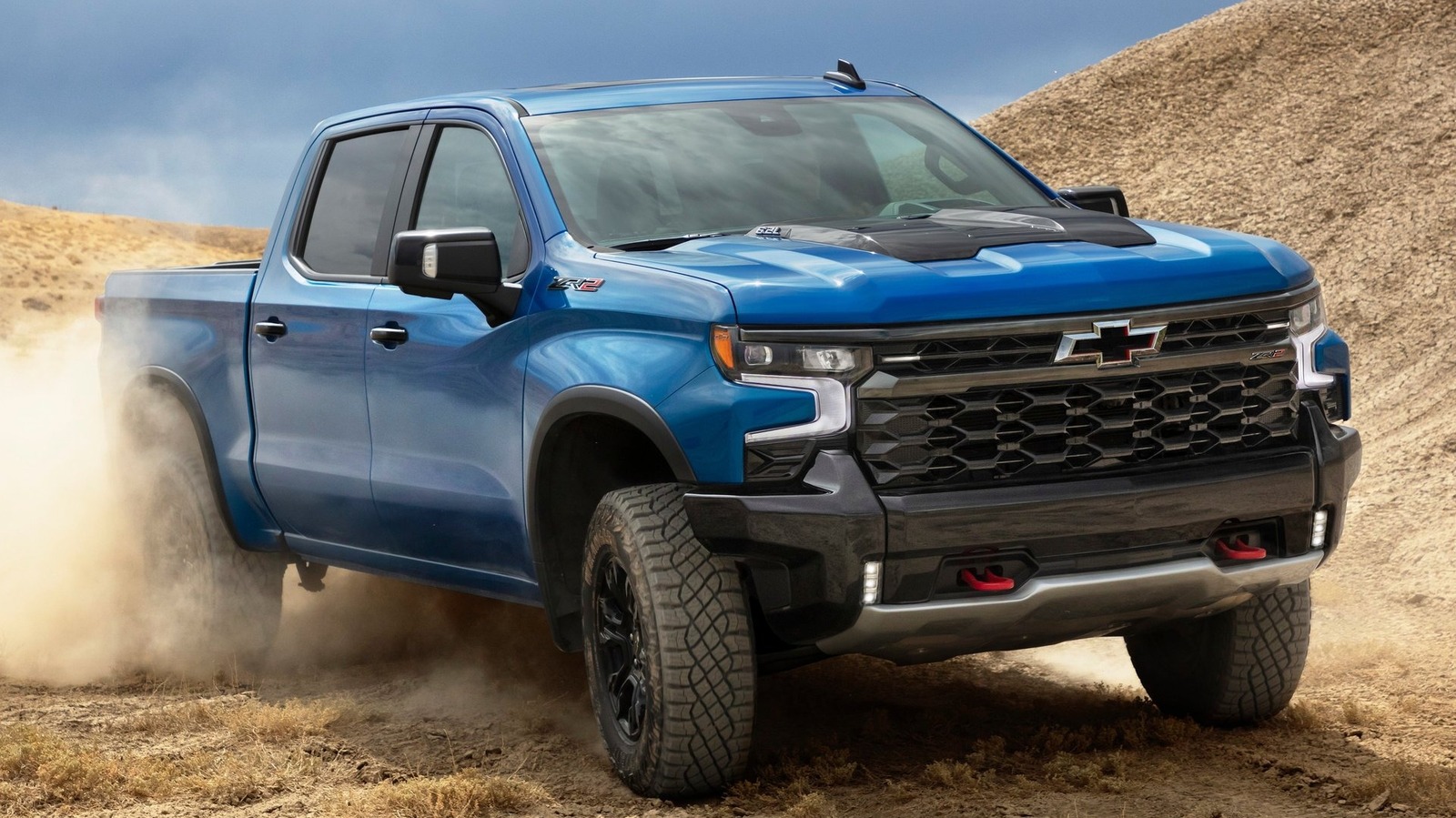
A recent announcement has put a spotlight on a significant issue affecting a large number of trucks and SUVs. General Motors is recalling nearly 600,000 vehicles due to potential problems with their crankshafts and connecting rods. While it’s estimated that only about 3% of these trucks might actually experience issues that require repairs, every single vehicle in the recall needs to be checked. Let’s dive into what this means for truck owners and how to navigate this situation.
What’s the Problem with the Crankshafts and Connecting Rods?
At the heart of this recall are the crankshafts and connecting rods, critical components in the engine that help convert the linear motion of the pistons into rotational motion. If these parts fail, it can lead to catastrophic engine damage—think of it as the engine’s heart giving out. In this case, GM has identified that a small percentage of these components may not meet quality standards, which could lead to engine failures.
Why Should You Care?
If you own one of the affected vehicles, you might be wondering, “Is my truck safe?” The good news is that the vast majority are expected to be fine. However, it’s crucial to stay proactive. Ignoring the recall could lead to costly repairs down the line if your vehicle is one of the few that actually has a defect. Plus, driving a vehicle with a potential engine issue can be risky—not just for you, but for everyone on the road.
How to Check If Your Vehicle is Affected
Checking if your truck or SUV is part of the recall is straightforward. You can visit the National Highway Traffic Safety Administration (NHTSA) website and enter your vehicle identification number (VIN). This will tell you if your vehicle is affected and what steps you need to take next. Alternatively, contacting your local GM dealer can also provide clarity on whether your vehicle requires inspection or repairs.
What Happens Next?
Once you confirm that your vehicle is part of the recall, it’s time to take action. GM will notify owners of affected vehicles, but don’t wait for the letter to arrive. Schedule an appointment with your dealer as soon as possible. They will inspect your vehicle at no cost to you and perform any necessary repairs.
It’s worth noting that the recall process can sometimes take time, especially if parts are needed for repairs. So, if you’re experiencing any unusual noises or performance issues with your truck, don’t hesitate to bring those up during your visit.
Real-World Implications
This recall isn’t just a technical issue; it’s a reminder of the importance of vehicle maintenance and awareness. Many truck owners rely on their vehicles for work or family needs, and any downtime can be inconvenient. Keeping up with recalls and maintenance checks can save you from unexpected breakdowns and costly repairs.
The big takeaway? Staying informed about recalls isn’t just about compliance—it’s about ensuring your vehicle runs smoothly and safely. If you own one of the affected trucks, take action now. Schedule that inspection, and you’ll likely spot the difference in your peace of mind by the end of the month.