Why Do V6 and V8 Engines Sound So Different?
If you’ve ever found yourself at a car meet or just walking through a parking lot, you’ve probably noticed it: the deep, throaty rumble of a V8 and the sharper, sometimes higher-pitched growl of a V6. There’s something almost primal about these sounds, and they’re not just random noise. The difference comes down to the way these engines are built and how they fire.
What’s Happening Inside the Engine That Shapes the Sound?
At the heart of it, the V6 and V8 engines have different numbers of cylinders arranged in a V shape. A V6 has six cylinders, while a V8 has eight. That might sound obvious, but the magic is in how those cylinders fire. In a V8, the firing order is typically more evenly spaced, which smooths out the pulses of exhaust gases. This creates that signature, rolling thunder sound.
V6 engines, on the other hand, often have uneven firing intervals—especially in older or certain performance models. That unevenness gives them a more complex, sometimes “raspy” or “metallic” tone. Modern V6s with 120-degree crankshafts can sound smoother, but they rarely match the fullness of a V8’s note. It’s like comparing a jazz trio to a full orchestra—both can be beautiful, but they’re playing different tunes.
How Does Exhaust Design Influence the Engine’s Voice?
It’s not just about what happens inside the engine. The exhaust system acts like an instrument, amplifying and shaping the sound. V8s often use dual exhausts, which help keep the exhaust pulses separated and maintain that deep, burbling character. V6s, with fewer cylinders, sometimes have to work harder to sound muscular, so manufacturers might tweak the exhaust design—adding resonators, changing pipe lengths, or even using electronic sound enhancement.
A great example: Ford’s EcoBoost V6 in the F-150 Raptor. Engineers spent countless hours tuning the exhaust to give it a bolder, more aggressive sound, even though it’s “missing” two cylinders compared to the classic V8. The result? Pure magic. But it’s still a different flavor than the old-school V8 roar.
Does Engine Size or Displacement Matter for Sound?
Absolutely. Bigger engines move more air and fuel, which usually means a louder, deeper sound. That’s why a 5.0-liter V8 will almost always sound more commanding than a 3.5-liter V6, even if both are tuned for performance. But displacement isn’t the only factor. The shape of the combustion chamber, the type of camshaft, and even the materials used in the engine block can all tweak the final note.
Can You Make a V6 Sound Like a V8?
This is a question that comes up a lot, especially among car enthusiasts who want the best of both worlds—V8 sound with V6 efficiency. While aftermarket exhausts and sound modules can get you closer, there’s no true substitute for the real thing. The firing order and cylinder count are fundamental. You might get a V6 to sound throatier or more aggressive, but that classic V8 rumble is hardwired into its DNA.
Why Do Some V6s Sound Sportier Than Others?
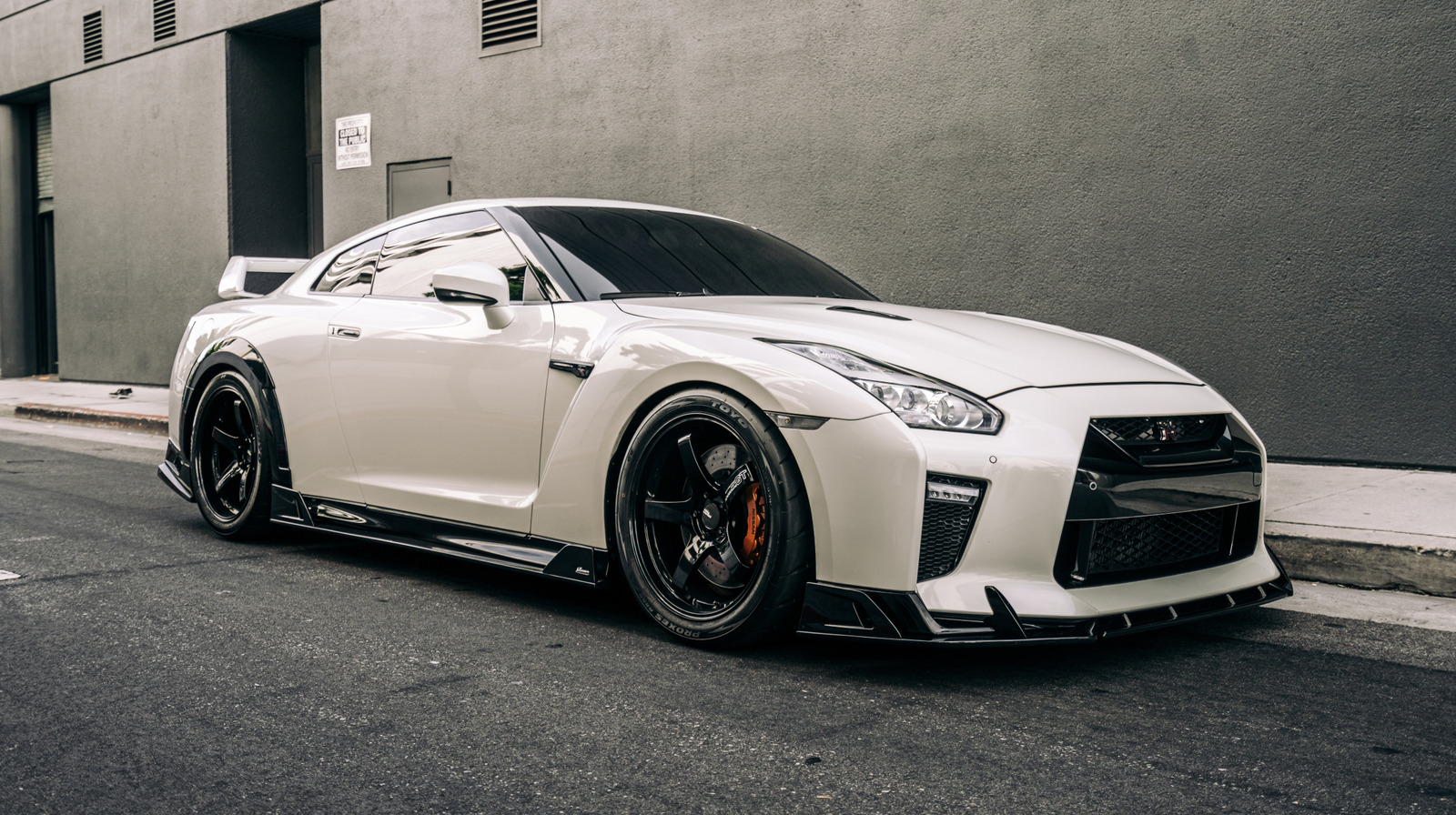
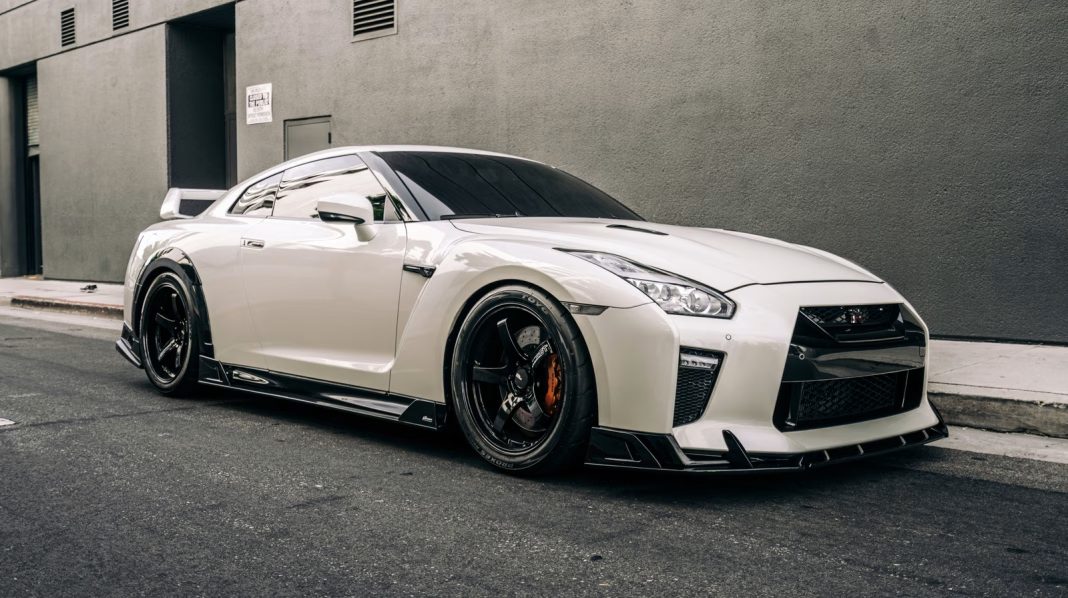
Not all V6s are created equal. Some, like the Nissan GT-R’s twin-turbo V6, have a sharper, almost exotic tone, while others sound more subdued. This comes down to engineering choices: turbocharging, exhaust tuning, and even the angle of the V itself (60 degrees vs. 90 degrees) all play a role. Manufacturers spend a surprising amount of time perfecting these details because they know sound is a huge part of the driving experience.
What Do Experts and Data Say About Engine Sound Preferences?
According to a 2023 survey by J.D. Power, over 60% of performance car buyers say the exhaust note is a key factor in their purchase decision. Automotive acoustics engineers, like those at Bose and Harman, have published studies showing that lower-frequency sounds (like those from a V8) are often perceived as more powerful and satisfying. It’s not just about volume—it’s about the emotional response the sound triggers.
Is There a Practical Difference Beyond the Sound?
While the sound is a big part of the appeal, there are real-world implications. V8s tend to be heavier and less fuel-efficient, but they offer more torque and a more visceral experience. V6s are lighter, often more efficient, and can still pack a punch—especially with modern turbocharging. For many drivers, it’s a trade-off between raw emotion and everyday practicality.
What’s the Real Reason People Obsess Over V6 vs. V8 Sound?
It’s more than just noise—it’s identity. The sound of an engine connects us to the machine in a way that’s hard to explain until you’ve felt it. Whether you prefer the classic V8 rumble or the sharper V6 growl, it’s about what makes you smile when you hit the gas.
The big takeaway? Chasing the perfect engine sound isn’t about perfection—it’s about smarter adjustments. Start with one change this week, and you’ll likely spot the difference by month’s end.