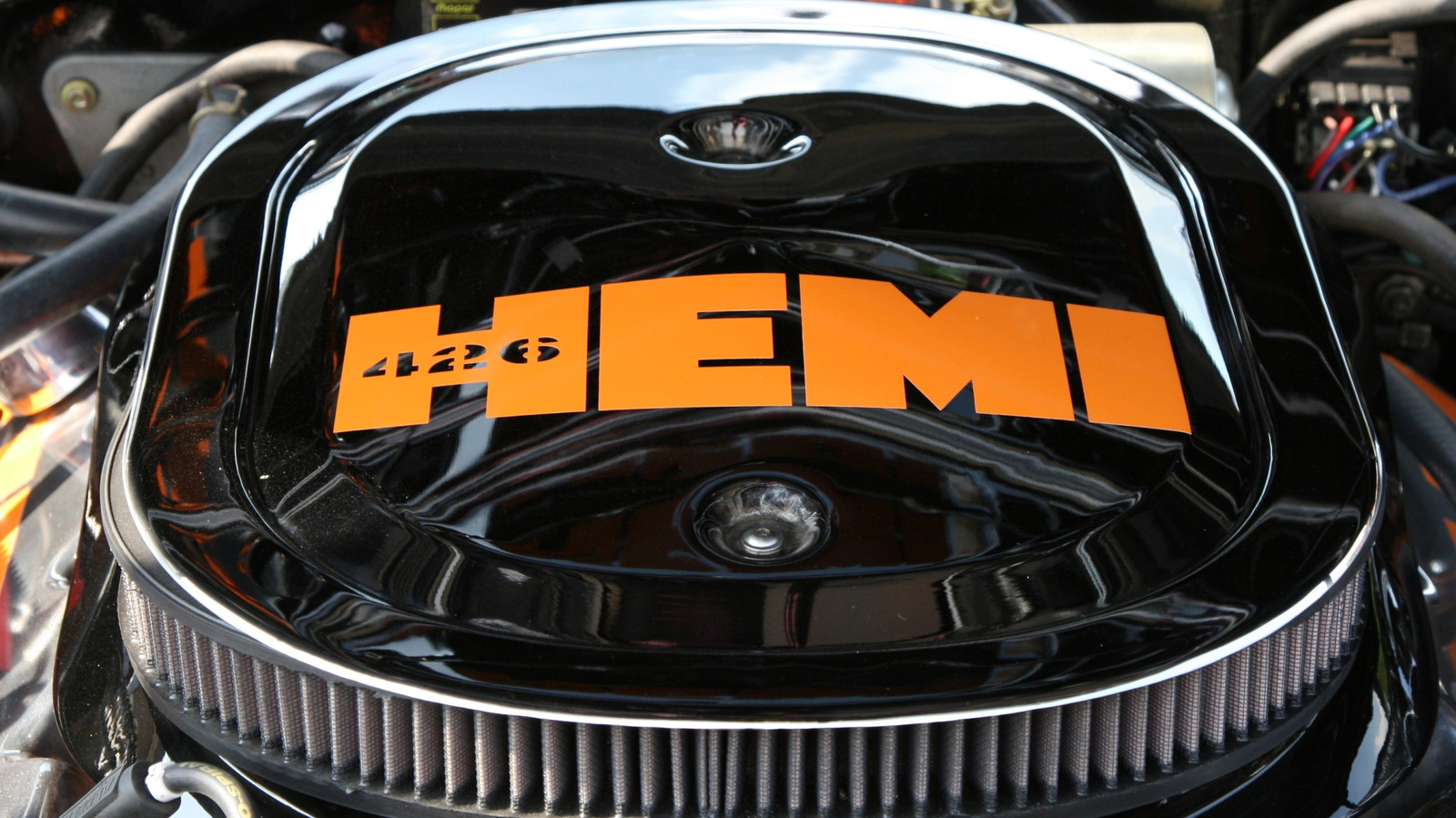
Why Do Older V8 Engines Sound So Much Better Than Modern Ones?
If you’ve ever stood trackside at a vintage car rally, you know the feeling—a deep, throaty rumble that seems to vibrate right through your chest. That’s the sound of an old-school V8, and for many enthusiasts, it’s pure nostalgia. But why do so many people say modern V8s just don’t have the same magic? Let’s dig into what’s really behind this shift in sound.
What’s Changed in V8 Engine Design Over the Years?
The heart of the matter lies in how V8 engines have evolved. Decades ago, V8s were built with simplicity and raw power in mind. Carburetors, big displacement, and less restrictive exhausts were the norm. These engines didn’t just make noise—they made music.
Fast forward to today, and things look different under the hood. Modern V8s are loaded with tech: variable valve timing, direct injection, turbochargers, and, crucially, strict emissions controls. These advancements have made engines cleaner and more efficient, but they’ve also changed the way they sound. The result? A smoother, more muted exhaust note that some say lacks character.
How Do Emissions Regulations Affect Engine Sound?
Let’s be honest—nobody wants to breathe in a cloud of unburned hydrocarbons. Over the past few decades, emissions standards have gotten tougher worldwide. To meet these rules, automakers have had to add catalytic converters, particulate filters, and complex muffler systems to their V8s.
These components do a fantastic job cleaning up the air, but they also muffle the sound. According to a 2023 report from the International Council on Clean Transportation, modern exhaust systems can reduce engine noise by up to 60% compared to those from the 1970s. That’s a huge difference, and it’s one reason why today’s V8s sound so much tamer.
Why Does Engine Firing Order Matter for Sound?
Here’s a detail that often gets overlooked: the firing order of a V8 engine. Older American V8s, especially those with a cross-plane crankshaft, have a distinct uneven firing sequence. This creates that signature burble and offbeat rhythm gearheads love.
Modern V8s sometimes use different crankshaft designs or firing orders to optimize performance and efficiency. While this can boost horsepower, it often results in a smoother, less aggressive sound. It’s a trade-off—one that’s great for lap times, but maybe not for your ears.
Are Materials and Build Quality Part of the Story?
Absolutely. Vintage V8s were built with heavier, thicker materials—think cast iron blocks and manifolds. These dense metals resonate differently than the lighter alloys and composites used today. The old-school construction amplifies low-frequency sounds, giving classic V8s that chest-thumping presence.
Today’s engines, in contrast, are designed to be lighter for better fuel economy. Lighter materials absorb and dampen sound rather than projecting it. The difference is subtle, but it adds up.
How Do Exhaust Systems Shape the V8 Sound?
Ask any hot rodder, and they’ll tell you: the exhaust system is half the battle. Older V8s often ran with minimal muffling—sometimes just straight pipes. The sound was raw, unfiltered, and, frankly, a bit wild.
Modern cars, on the other hand, use multi-chamber mufflers, resonators, and even active exhaust valves. These systems are engineered to control noise and meet legal requirements. Some high-performance models try to bring back the drama with adjustable exhausts, but it’s still not quite the same as the old days.
Is It All Just Nostalgia, or Is There Science Behind the Preference?
There’s definitely a nostalgia factor—no denying it. But studies in psychoacoustics (the science of how we perceive sound) show that people tend to prefer complex, low-frequency tones with a bit of unpredictability. Classic V8s deliver exactly that, while modern engines are engineered for smoothness and consistency.
A 2022 survey by the Society of Automotive Engineers found that 68% of enthusiasts described older V8s as having a more “emotional” sound, compared to just 22% for modern engines. That’s not just rose-tinted glasses—it’s a real, measurable difference in how we experience these cars.
Can You Make a Modern V8 Sound Like the Classics?
If you’re craving that old-school rumble, there’s hope. Aftermarket exhaust kits, custom headers, and even electronic sound enhancers can help modern V8s recapture some of that vintage vibe. Just be aware of local noise and emissions laws—what sounds great to you might not thrill your neighbors.
Some automakers are also listening to enthusiasts. Recent models from brands like Dodge and Ford offer performance exhaust options that let you dial up the drama at the push of a button. It’s not quite the same as a carbureted big block, but it’s a step in the right direction.
What’s the Real Reason We Love the Sound of Old V8s?
At the end of the day, the appeal of classic V8 sound is about more than just decibels. It’s about connection—between driver and machine, between past and present. That deep rumble is a reminder of a time when cars were simpler, louder, and maybe a little bit rebellious.
The big takeaway? Chasing that perfect V8 sound isn’t about perfection—it’s about smarter adjustments. Start with one change this week, and you’ll likely spot the difference by month’s end. Whether you’re tuning your exhaust or just listening a little closer, the magic of the V8 lives on—if you know where to find it.