
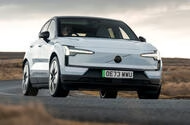
Volvo is shaking things up with the launch of the EX30, a compact electric vehicle designed to attract a younger, environmentally conscious crowd. This new model is a significant step in Volvo’s ambitious electrification strategy, aiming for half of its global sales to be all-electric by 2025 and to transition to selling only battery electric vehicles (BEVs) by 2030. But can the EX30 help Volvo achieve these lofty goals?
### What Makes the EX30 Stand Out?
The EX30 isn’t just another electric car; it’s a fresh take on what a small vehicle can be. It’s the smallest Volvo in decades, harking back to the 1970s with the Volvo-DAF 300 series. More importantly, it’s the first model designed exclusively for electric power, marking a new chapter for the brand under Geely’s ownership. This new platform is a game-changer, promising a blend of efficiency and performance that could redefine Volvo’s market presence.
### How Does the Pricing Stack Up?
With a starting price just under £34,000 and going up to just over £44,000, the EX30 is positioned to be an affordable option in the electric vehicle market. This pricing strategy is crucial, especially as Volvo aims to entice buyers who might be hesitant about making the switch to electric. The model range includes two battery options: a 51kWh and a 69kWh drive battery, catering to different needs and budgets.
### Performance and Options: What Can You Expect?
The EX30 comes with a few configurations to suit various driving styles. You can choose from a single motor with 268 horsepower or a more powerful twin motor option that delivers 423 horsepower. The single motor versions are rear-wheel drive, while the twin motor models offer four-wheel drive, providing flexibility depending on your driving needs.
Charging options are also impressive. The mid-level single-motor variant supports 11kW AC charging, while the Ultra trim ups the ante with 22kW three-phase charging capability. This means faster charging times, which is a significant consideration for many potential buyers.
### Is the EX30 Ready to Drive EV Adoption?
Despite the growing number of affordable electric options, the uptake of EVs in many Western markets remains stagnant, hovering between 15% and 25%. This presents a considerable challenge for Volvo. The EX30 needs to not only attract buyers but also convert those who are still on the fence about going electric.
Volvo is betting that the EX30’s combination of affordability, performance, and eco-friendliness will resonate with younger consumers who prioritize sustainability. The car’s design and features are tailored to appeal to this demographic, making it more than just a vehicle—it’s a lifestyle choice.
### Real-World Impact: Can It Make a Difference?
The EX30’s success will largely depend on how well it performs in real-world conditions. Early reviews suggest that it’s not just about numbers on a spec sheet; it’s about the overall driving experience. If the EX30 can deliver a fun, engaging ride while also being practical for everyday use, it may just be the catalyst Volvo needs to boost its electric sales.
### The Big Picture: What’s Next for Volvo?
As Volvo navigates this transition, the EX30 represents a pivotal moment. It’s a bold move into a smaller market niche, but one that could pay off if executed well. The company’s commitment to electrification is clear, and the EX30 is a crucial piece of that puzzle.
The big takeaway? The EX30 isn’t about perfection—it’s about smarter adjustments. Start with one change this week, and you’ll likely spot the difference by month’s end. Whether you’re considering going electric or simply curious about what’s next in the automotive world, the EX30 is definitely worth keeping an eye on.