
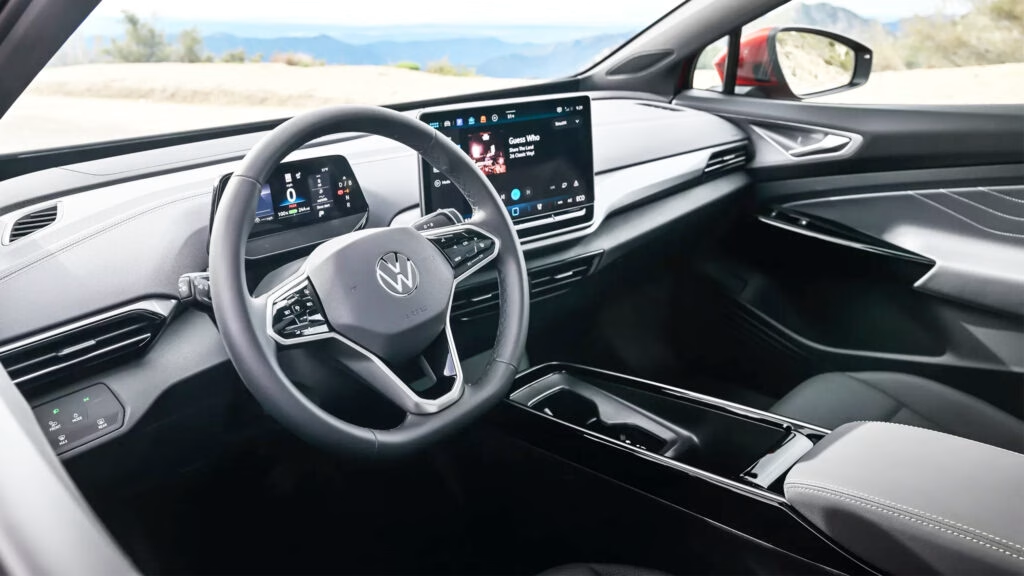
Why Are VW’s Touch-Sensitive Steering Wheel Buttons Causing Such a Stir?
Volkswagen’s touch-sensitive steering wheel buttons once looked like a leap into the future. No more clicky switches—just a sleek, glassy surface responding to the lightest tap. But for many VW drivers, that sci-fi promise quickly turned into a real-world headache. Now, a class-action lawsuit in the US is shining a spotlight on the issue, raising questions about both safety and transparency.
Are These Buttons Just Annoying, or Actually Dangerous?
Let’s get straight to the heart of it. The lawsuit alleges that VW’s capacitive steering wheel buttons aren’t just finicky—they’re potentially hazardous. According to court documents, a mere brush of the hand can activate critical features like Adaptive Cruise Control. Imagine adjusting your grip mid-turn and accidentally engaging a system that takes over your speed. Not exactly the kind of surprise you want at 70 mph.
It’s not just a hypothetical problem, either. Plaintiffs in the case say they’re now “terrified and hesitant” to drive their vehicles, especially the VW ID.4, which is at the center of the suit. Their argument? VW knew about these issues from customer complaints and internal reports but failed to warn buyers or offer a fix.
Did Volkswagen Know About the Problem—and Ignore It?
This is where things get sticky. The lawsuit claims VW was aware of the touch button complaints, thanks to feedback from drivers, dealer reports, and their own internal records. Yet, according to the plaintiffs, the company didn’t disclose the risks, nor did it provide free repairs, replacements, or even reimbursements.
From a legal perspective, the case accuses VW of fraud by omission, breach of warranty, and unjust enrichment. It’s also a test of consumer protection laws in states like Connecticut and Massachusetts, where the suit has been filed.
Why Did VW Switch to Touch Controls in the First Place?
Automakers love to chase the next big thing, and touch-sensitive controls promised a cleaner, more modern look. VW wasn’t alone—several brands experimented with similar tech. But what looks good in a design studio doesn’t always translate to real-world usability. In practice, many drivers found the controls too sensitive, hard to use without looking, and prone to accidental activation.
A 2022 survey by J.D. Power found that physical buttons consistently outperform touch-sensitive alternatives in customer satisfaction, especially for frequently used features like audio and climate controls. VW’s own leadership eventually admitted the experiment was a misstep.
What’s VW Doing to Address the Issue?
Here’s some good news for future buyers: VW has publicly committed to bringing back physical steering wheel buttons. The upcoming all-electric ID.2all will be the first to feature the return of tactile switches, and the company says it will phase out capacitive controls across its lineup over the next few years.
But for current owners, the fix isn’t so simple. Unless VW offers a retrofit or recall, those with touch-sensitive buttons are stuck with them for now. That’s a tough pill to swallow if you’re worried about safety—or just tired of accidentally changing your radio station with your pinky.
How Does This Compare to Other Automakers’ Approaches?
VW isn’t the only brand to face backlash over touch controls. Tesla, for example, has doubled down on minimalist interiors, but even they’ve kept some physical buttons for essential functions. Meanwhile, brands like Hyundai and Toyota have leaned into a hybrid approach, mixing touchscreens with traditional knobs and switches for the most-used features.
Industry analysts say the lesson is clear: while innovation is great, it shouldn’t come at the expense of safety or usability. Human factors engineering—designing controls that work intuitively and reliably for real people—matters more than ever as cars get smarter.
What Should Current VW Owners Do?
If you drive a VW with capacitive steering wheel buttons, stay alert to how the controls respond during everyday use. If you experience accidental activations, document them and report the issue to your dealer. Keeping a record could be important if the lawsuit leads to a recall or settlement down the line.
You might also consider reaching out to the National Highway Traffic Safety Administration (NHTSA) to file a complaint. The more data regulators have, the more likely they are to investigate.
The Big Takeaway for Drivers and Automakers
Touch-sensitive controls sounded like progress, but real-world experience tells a different story. For drivers, it’s a reminder that the best tech is the kind you don’t have to think about—especially when you’re behind the wheel. For automakers, it’s a lesson in listening to customers and putting safety first.
The big takeaway? Automotive innovation isn’t about perfection—it’s about smarter adjustments. Start with one change this week, and you’ll likely spot the difference by month’s end.