Why Do Wet Timing Belts Have Such a Bad Reputation?
If you’ve ever peeked under the hood and wondered why some engines use a wet timing belt instead of the classic chain or dry belt, you’re not alone. The idea seems clever: a timing belt running inside the engine, bathed in oil, should last longer and run quieter, right? But ask any seasoned mechanic, and you’ll hear a different story—one filled with unexpected headaches and costly repairs. So, what’s really going on with wet timing belts, and why do they have such a checkered reputation?
What Exactly Is a Wet Timing Belt, and How Does It Differ from the Rest?
Let’s clear up the basics. A wet timing belt, sometimes called a belt-in-oil, is a rubber belt that sits inside the engine, running through the same oil that lubricates the crankshaft and camshaft. This is different from a dry timing belt, which operates outside the engine’s oily internals, and from a timing chain, which is made of metal and also runs inside the engine.
The theory behind wet belts is simple: oil should reduce friction, minimize noise, and help the belt last longer. Automakers like Ford and Volkswagen started using them in the 2010s, touting smoother operation and lower emissions. On paper, it sounds like a win-win.
Why Did Wet Timing Belts Become Popular with Automakers?
Car manufacturers are always looking for ways to make engines lighter, quieter, and more efficient. Wet timing belts seemed like the perfect solution. They’re lighter than chains, which helps with fuel economy. They’re also quieter, which drivers love. And because they’re lubricated by oil, the hope was they’d last as long as a timing chain—sometimes up to 150,000 miles—without the need for frequent replacement.
But here’s the catch: real-world results haven’t always matched the marketing promises.
What Problems Have Drivers Experienced with Wet Timing Belts?
This is where things get messy. Wet timing belts have developed a reputation for premature wear and catastrophic failure. Unlike dry belts, which are relatively easy to inspect and replace, wet belts are hidden inside the engine. That means you can’t just pop the cover and check for cracks or fraying.
The oil that’s supposed to protect the belt can actually be its undoing. Over time, engine oil can degrade the rubber compounds in the belt, especially if the oil isn’t changed regularly or if the wrong oil type is used. When the belt starts to break down, rubber debris can clog oil passages, leading to poor lubrication and even engine damage.
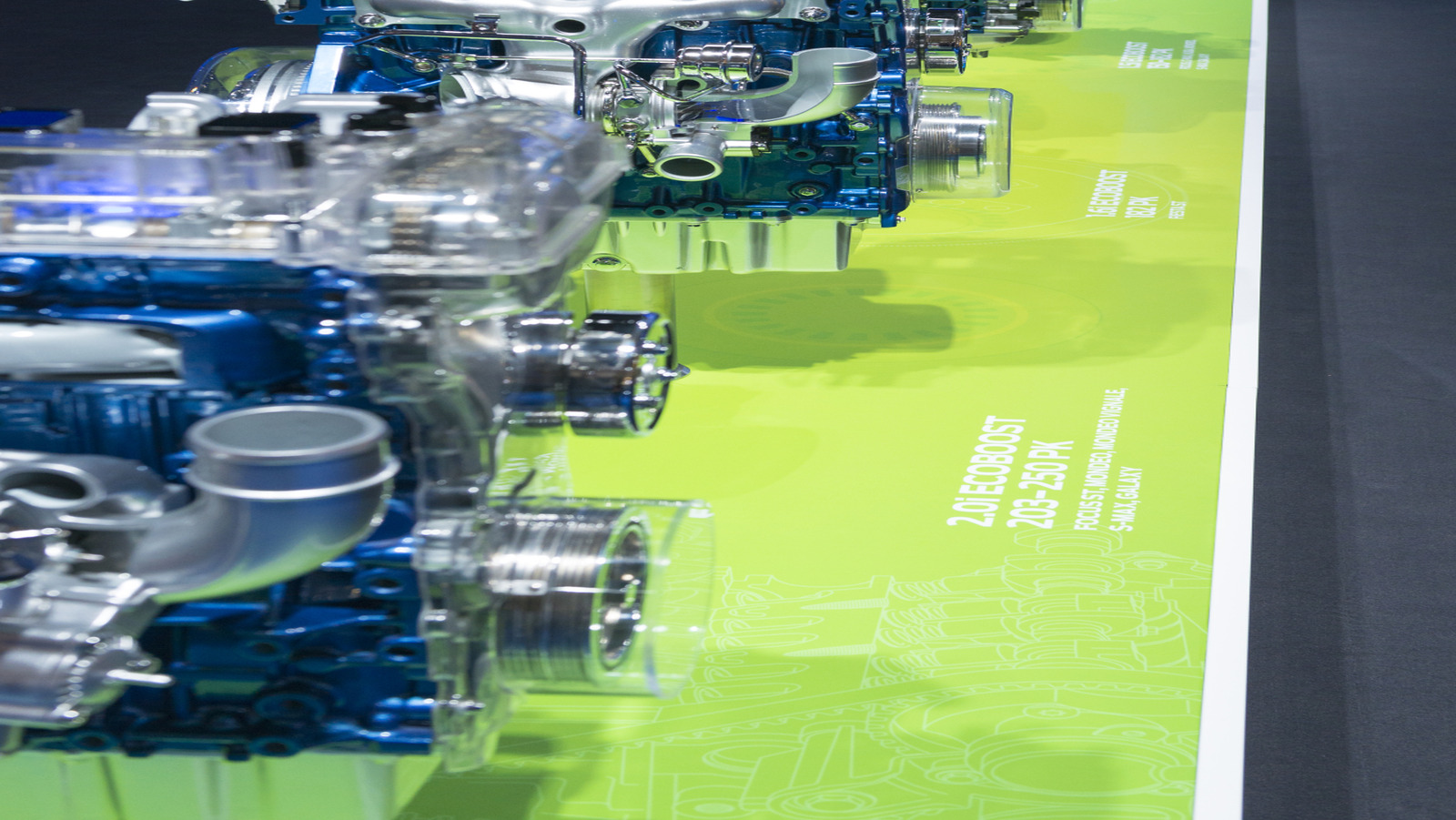
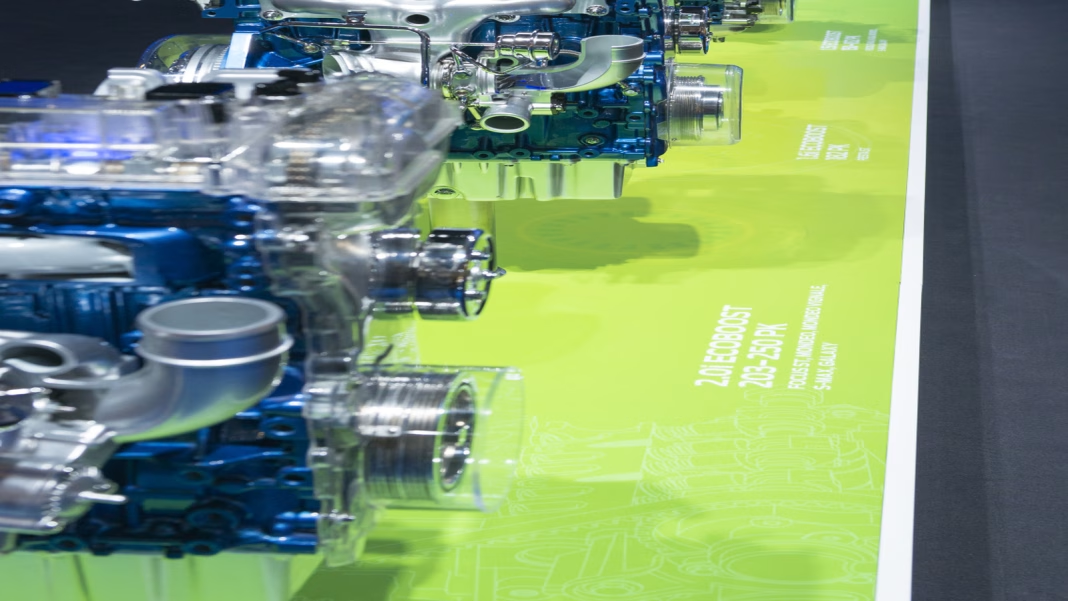
A 2021 technical bulletin from the Society of Automotive Engineers highlighted that certain Ford EcoBoost engines experienced wet timing belt failures as early as 60,000 miles—less than half the promised lifespan. In some cases, the belt would shed material, causing oil starvation and, in worst-case scenarios, complete engine failure.
How Can You Tell If Your Car Has a Wet Timing Belt—and Should You Worry?
If you drive a newer Ford, Volkswagen, or Peugeot, there’s a good chance your engine uses a wet timing belt. The best way to know is to check your owner’s manual or ask your mechanic. If you do have one, don’t panic—but do pay attention to maintenance.
Unlike timing chains, which can sometimes last the life of the car, wet belts need to be replaced on a strict schedule. And because they’re buried inside the engine, the replacement is labor-intensive and expensive. Skipping oil changes or using the wrong oil can dramatically shorten the belt’s life. Think of it like this: your engine’s health is only as good as the oil you put in it.
Are There Any Benefits to Wet Timing Belts, or Is It All Downside?
It’s not all doom and gloom. When properly maintained, wet timing belts can run quietly and help engines meet stricter emissions standards. They’re lighter than chains, which can improve fuel economy by a few percentage points—a small but real benefit in today’s efficiency-obsessed market.
Some manufacturers have improved belt materials and oil formulations to address early failures. For example, newer Ford EcoBoost engines use updated belts designed to resist oil degradation, and service intervals have been adjusted to reflect real-world wear.
What Can You Do to Avoid Wet Timing Belt Problems?
If your car has a wet timing belt, the best thing you can do is stick to the recommended oil change intervals—no exceptions. Always use the oil grade specified by the manufacturer, since the wrong additives can accelerate belt wear. If your car is approaching the recommended belt replacement mileage (often between 100,000 and 150,000 miles), don’t delay. Replacing a belt is far cheaper than replacing an engine.
It’s also smart to ask your mechanic to check for technical service bulletins related to your engine. Automakers sometimes update their recommendations or offer extended warranties for known issues.
The Big Takeaway? Wet timing belts aren’t about perfection—they’re about smarter adjustments. Start with one change this week: check your oil, schedule that overdue service, or ask your mechanic about your timing belt. You’ll likely spot the difference by month’s end—and your engine will thank you for it.