What Happens to All Those Used NASCAR Tires After a Race?
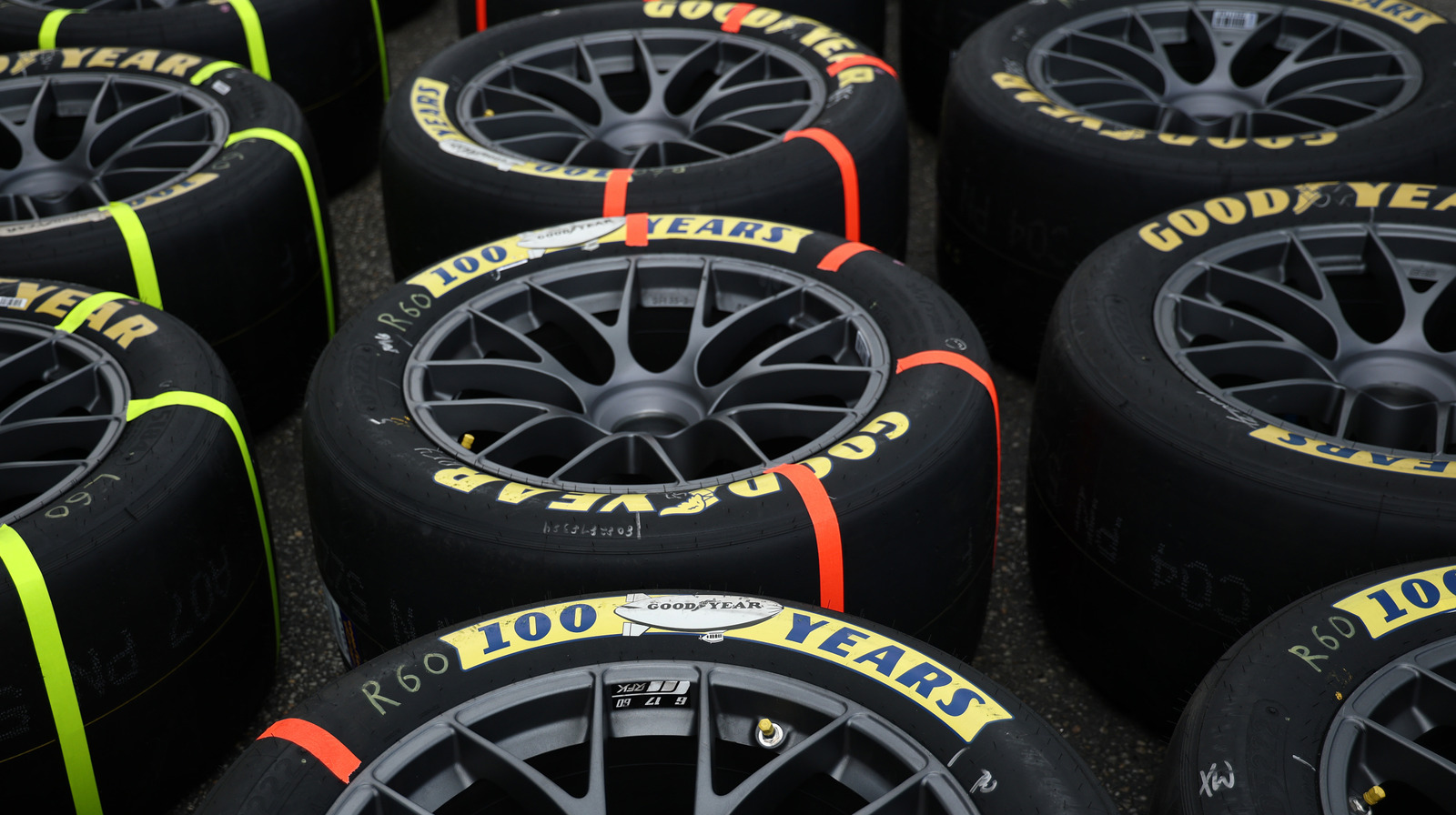
If you’ve ever watched a NASCAR race, you know tires take a beating—sometimes they barely last a few dozen laps before getting swapped out. Multiply that by every car, every race, and all the practice sessions, and you’re looking at hundreds of thousands of tires burned through each season. So, what actually happens to all those used tires once the checkered flag drops?
Why Do NASCAR Teams Use So Many Tires?
Let’s start with the basics: NASCAR tires are built for speed, not longevity. Unlike your daily driver’s all-seasons, these slicks are designed to grip the track like glue but wear out fast—sometimes in less than 100 miles. Teams will swap out fresh sets multiple times in a single race, and that’s not even counting the dozens of tires chewed up during practice and qualifying.
According to Goodyear, the exclusive tire supplier for NASCAR’s top series, a single race weekend can see teams go through up to 2,500 tires. Over the course of a season, that number balloons into the hundreds of thousands. It’s a staggering amount, and it begs the question: where do all those tires end up?
Are NASCAR Tires Reused or Recycled?
Here’s the surprising part—NASCAR tires are almost never reused in competition. Once a tire has hit the track, it’s considered spent. The intense heat, friction, and stress mean it’s no longer safe or effective for another race. But that doesn’t mean these tires are simply tossed in a landfill.
Most NASCAR teams work closely with Goodyear and specialized recycling partners to ensure used tires are collected and processed responsibly. After a race, tires are loaded onto trucks and shipped off to recycling centers. There, they’re shredded and repurposed for a variety of uses, from playground surfaces to rubberized asphalt for roads.
How Are Old NASCAR Tires Repurposed?
You might be surprised at the second life these tires get. One common destination is the construction industry, where ground-up rubber from old racing tires is mixed into asphalt to create quieter, more durable roads. According to the Rubber Manufacturers Association, using recycled tire rubber in pavement can extend road life by up to 50 percent while reducing noise pollution.
Some tires are turned into safety barriers or crash cushions at other racetracks, providing a softer landing for drivers in the event of an accident. Others are processed into crumb rubber for athletic fields, playgrounds, or even garden mulch. It’s a win-win: less waste, more useful products.
Do Any NASCAR Tires Go to Fans or Charities?
Absolutely. While the vast majority of used tires are recycled, a select few find their way into the hands of fans, charities, or museums. Teams sometimes auction off race-worn tires for charity, often signed by drivers, raising thousands for good causes. These pieces of racing history become prized collectibles—imagine having a tire from a championship-winning car in your garage.
A handful of tires also end up in educational programs or motorsports museums, where they help tell the story of NASCAR’s evolution and the science behind racing technology.
What Environmental Impact Does This All Have?
With so many tires in play, environmental responsibility is a big deal. The good news: NASCAR and Goodyear have made significant strides in sustainable tire disposal. According to a 2023 industry report, nearly 100 percent of used NASCAR tires are now recycled or repurposed, keeping millions of pounds of rubber out of landfills each year.
Goodyear has also invested in developing more eco-friendly tire compounds and exploring renewable materials. While racing will always generate waste, the focus is shifting toward minimizing impact and maximizing reuse.
Can Regular Drivers Learn Anything from NASCAR’s Tire Practices?
Actually, yes. NASCAR’s approach to tire management—constant monitoring, timely replacement, and responsible disposal—offers a lesson for everyday drivers. Keeping an eye on tire wear, rotating regularly, and recycling old tires can boost safety and reduce your own environmental footprint. Plus, many local tire shops now offer recycling programs, making it easier than ever to do your part.
The big takeaway? NASCAR’s tire story isn’t about perfection—it’s about smarter adjustments. Start with one change this week, and you’ll likely spot the difference by month’s end.