What Do Those Colored Markings Under Your Car’s Hood Actually Mean?
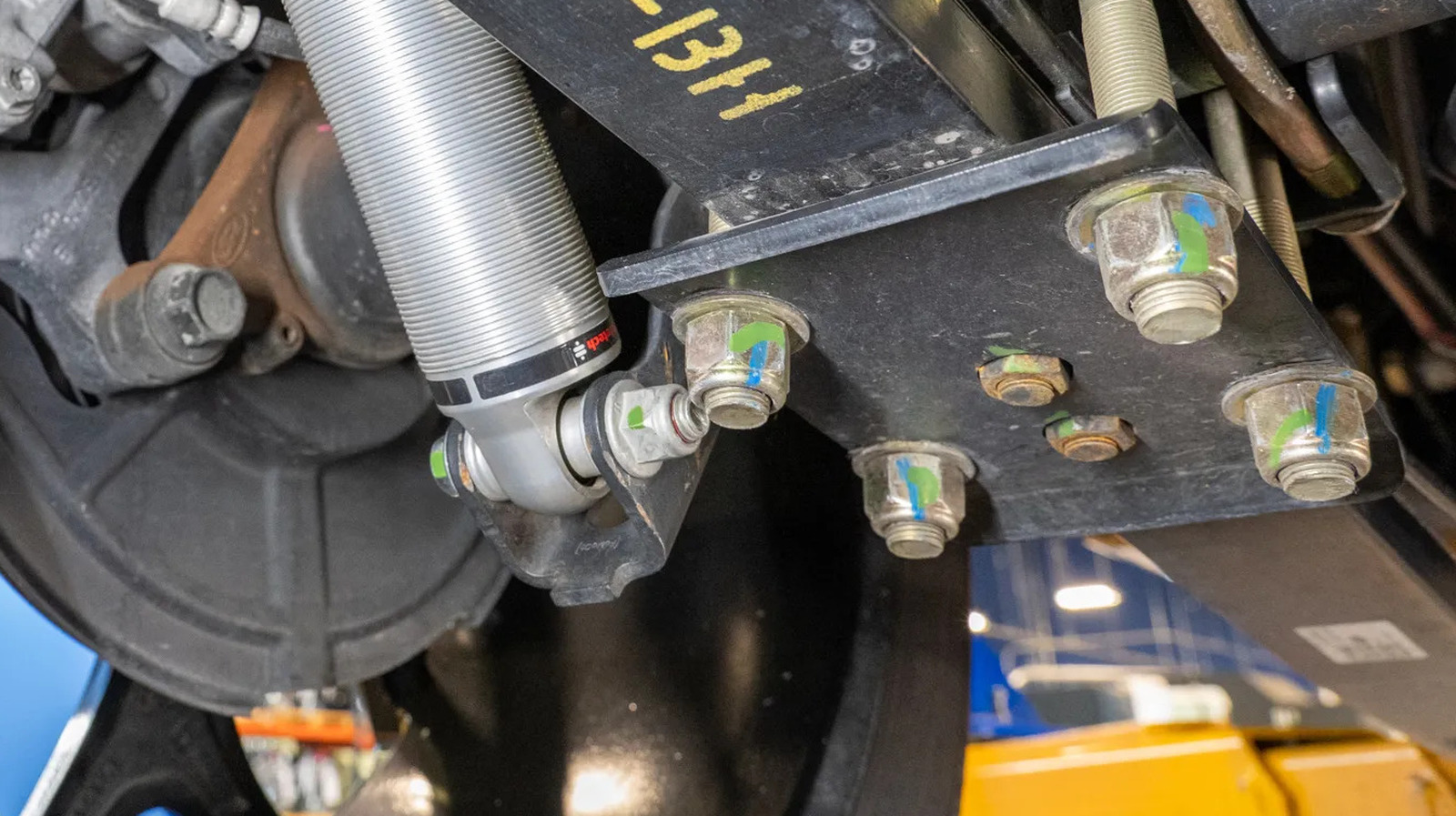
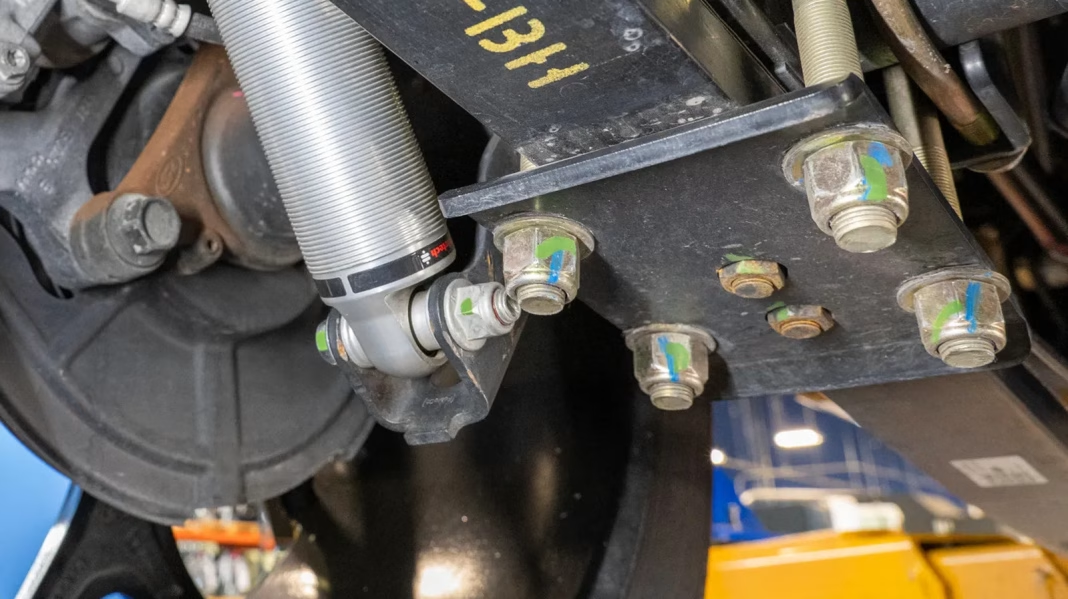
Pop the hood on a brand-new car and you’ll probably notice a handful of colored dots, lines, or squiggles on various engine components. Maybe you’ve wondered if they’re just factory graffiti or some sort of secret code. Turns out, those markings aren’t random at all—and ignoring them can sometimes lead to headaches down the road.
Why Are There Bright Colors on Engine Parts?
Automakers use colored markings as a kind of visual shorthand during the assembly process. Each mark tells a story. For example, a yellow dot on a bolt might mean it’s been torqued to the correct specification, while a green line could indicate a part has passed a specific quality check. These marks help workers and inspectors quickly confirm that each step in the build process has been completed correctly.
It’s not just about efficiency, either. According to a 2023 report from the Society of Automotive Engineers, these visual cues have helped reduce assembly errors by up to 30% in some factories. That’s a big deal when you consider how complex modern engines have become.
Should You Worry If You See These Marks?
Not at all. In fact, seeing them is usually a good sign. They mean your car’s components have been checked and double-checked. However, if you notice that a marking has been tampered with, or if a bolt that should have a colored mark is missing one, it could be a red flag—especially if you’re buying a used car. It might suggest that a part was replaced or serviced outside of the factory, and possibly not to the same standards.
What Do Different Colors and Shapes Mean?
There’s no universal color code across all car brands, but there are some common patterns. For instance:
– Yellow or white paint on bolts often means they’ve been properly tightened.
– Red or orange marks might indicate a part that needs extra attention or a special check.
– Blue or green lines can signal that a component has passed a leak or pressure test.
Shapes matter, too. A straight line might mean “checked,” while a dot could mean “ready for the next step.” Some manufacturers even use unique symbols for specific assembly teams or shifts.
Can These Marks Help With Maintenance or Repairs?
Absolutely. If you’re doing your own maintenance, these markings can be a helpful guide. For example, if you remove a bolt with a yellow mark and reinstall it, you’ll want to make sure it’s torqued to the same specification. Some mechanics even add their own marks after servicing a part, creating a visual record of what’s been done.
If you ever spot a mismatch—say, a bolt with no mark where all the others have one—it’s worth double-checking that nothing’s been missed. It’s a small detail, but it can make a big difference in long-term reliability.
Are There Any Risks in Ignoring These Markings?
Ignoring them won’t cause immediate harm, but it can make it harder to spot issues later. For example, if a critical fastener was replaced and not marked, you might not realize it wasn’t torqued correctly. That could lead to problems like oil leaks or even engine damage over time.
Dealerships and certified repair shops are trained to look for these cues. If you’re working with an independent mechanic, it’s smart to ask if they pay attention to factory markings. It’s a sign they’re detail-oriented—and that’s exactly what you want.
How Can You Use This Knowledge When Buying a Used Car?
When inspecting a used car, take a close look under the hood. Consistent, intact markings are a sign of an untouched, factory-assembled engine bay. If you see missing or mismatched marks, or evidence of repainting, ask questions. It could mean the car’s had major repairs, or worse, undisclosed accident damage.
According to a 2022 survey by the National Automobile Dealers Association, buyers who checked for factory markings were 18% less likely to end up with a car that had hidden mechanical issues. That’s a simple step that can save you thousands.
The Big Takeaway? Those colored marks aren’t about perfection—they’re about smarter adjustments. Start with one change this week: next time you pop your hood, take a closer look at those little dabs of color. You might just catch a detail that saves you time, money, or a major headache down the line.