What Are Those Small Cameras on Top of Traffic Lights Really For?
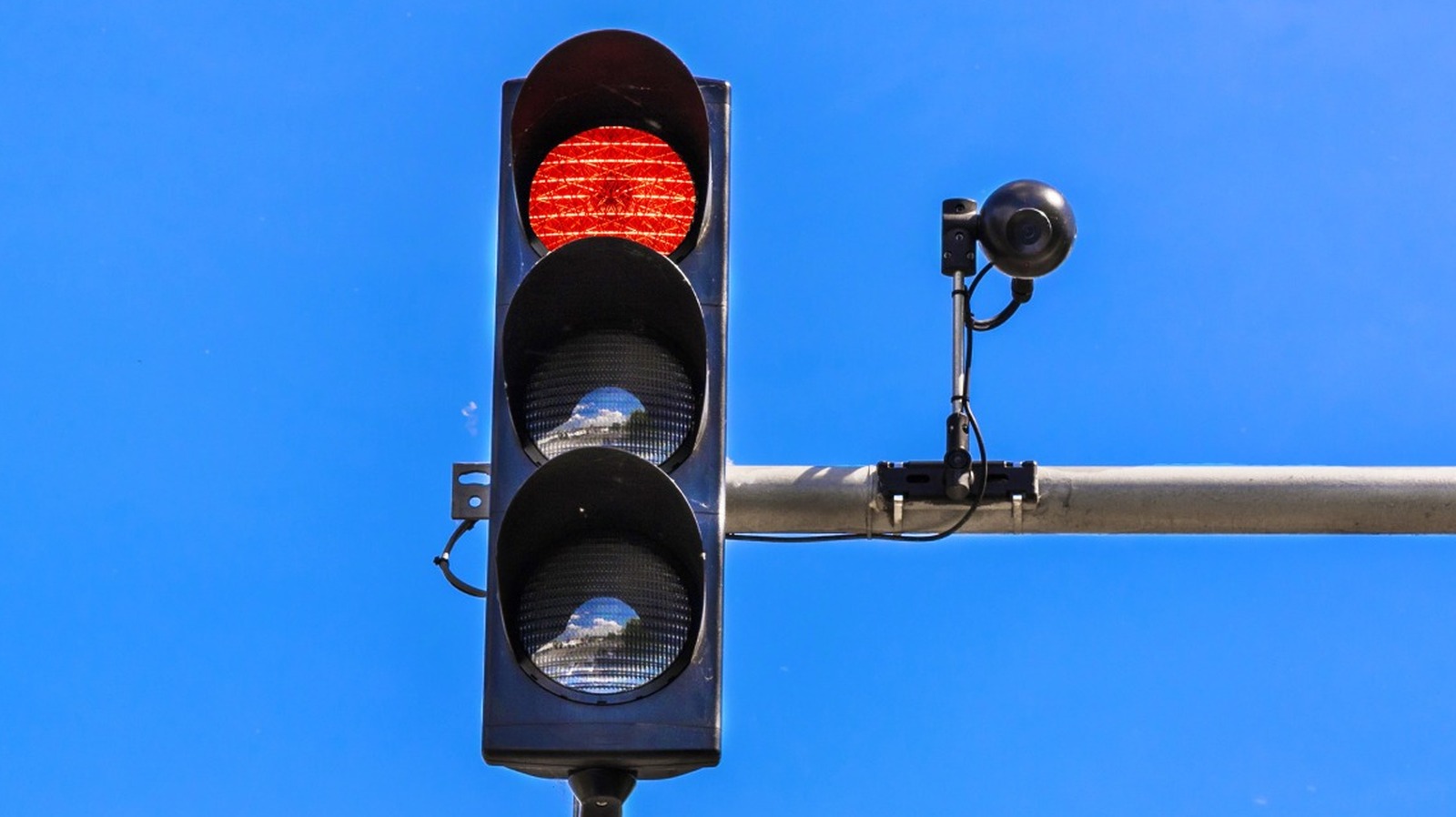
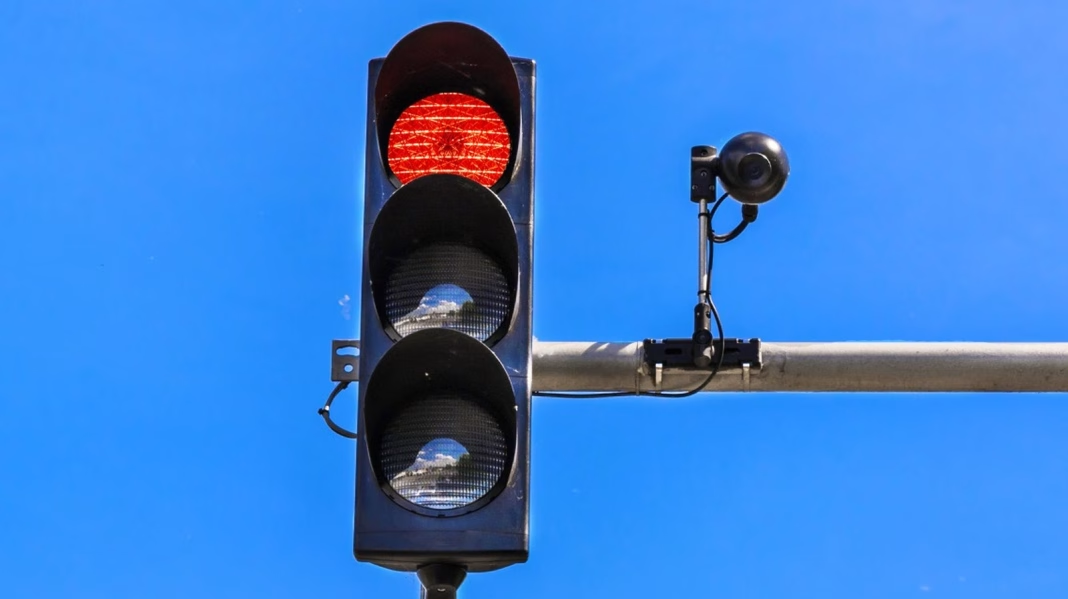
You’re stopped at a red light, maybe drumming your fingers on the steering wheel, and you glance up. There it is—a small, boxy camera perched right above the traffic signal. Ever wondered what it’s actually doing up there? You’re not alone. These little devices spark a lot of curiosity (and sometimes anxiety) among drivers. Let’s clear up the mystery and get to the bottom of what those cameras are actually watching for—and what they’re not.
Are These Cameras Recording My Every Move?
First things first: most of these cameras aren’t there to catch you running a red light or to record your daily commute. The majority are traffic monitoring cameras, not enforcement cameras. Their main job is to help manage the flow of vehicles at busy intersections. They detect when cars are waiting at a red light and signal the traffic control system to change the light when it’s time. Think of them as the eyes and ears of your city’s traffic department.
In fact, according to the Federal Highway Administration, over 70% of urban traffic signals in the US now use video detection systems. These cameras use real-time footage to adjust signal timing, reducing unnecessary waiting and helping to prevent gridlock. So, if you’ve ever wondered why your light seems to turn green just as you pull up, you might have these cameras to thank.
Can They Issue Tickets for Running Red Lights?
Here’s where it gets interesting. Not all cameras are created equal. While some intersections do have red-light enforcement cameras that snap a photo if you blow through a red, the small cameras on top of most traffic lights are usually not those. Enforcement cameras are typically larger, mounted separately, and clearly marked with warning signs (as required by law in many states).
The little cameras you see on the signal itself are almost always for detection and monitoring. They don’t record video for later review, and they’re not storing footage of your every move. Their purpose is to sense the presence of vehicles, bicycles, or even pedestrians, and to help keep traffic moving smoothly.
How Do These Cameras Actually Work?
You might be picturing a security camera, but these traffic signal cameras are a bit different. They use a combination of video analytics and sometimes infrared technology to detect movement and presence. When a car pulls up to the intersection, the camera recognizes the vehicle and sends a signal to the traffic light controller. This can trigger the light to change sooner, especially during off-peak hours when traffic is lighter.
Some cities use advanced systems that can even count the number of cars waiting and adjust the green light duration accordingly. Others use the data to monitor congestion trends and plan road improvements. It’s all about efficiency—less idling, less frustration, and, ideally, fewer emissions.
Are There Privacy Concerns With These Cameras?
It’s a fair question. With so much technology tracking our movements these days, it’s natural to wonder about privacy. The good news: most of these cameras don’t store any personal data. They’re not recording license plates or faces. The video feed is typically low-resolution and used in real-time only. According to the American Civil Liberties Union, traffic monitoring cameras are generally considered low-risk from a privacy standpoint, especially compared to plate readers or facial recognition systems.
Of course, if you’re in a city that uses red-light enforcement cameras, those do capture images of vehicles that break the law. But those cameras are usually clearly labeled, and the footage is only reviewed if a violation is detected.
Why Should Drivers Pay Attention to These Cameras?
Even if they’re not there to ticket you, these cameras play a big role in how quickly you get through intersections. If you ever find yourself waiting at a red light with no cross traffic in sight, it might be because the camera didn’t detect your vehicle—sometimes motorcycles or bikes can be missed, especially in older systems. In that case, inching forward or positioning yourself directly over the sensor area can help.
For drivers, understanding what these cameras do can take some of the stress out of sitting at a light. You’re not being watched for infractions; you’re being helped to get on your way a little faster.
What’s Next for Traffic Signal Technology?
Cities are getting smarter about managing traffic. Some are experimenting with AI-powered cameras that can predict congestion and reroute traffic on the fly. Others are integrating these systems with emergency vehicle tracking, so ambulances and fire trucks get green lights as they approach. The future? Think fewer traffic jams, safer intersections, and maybe even a smoother commute home.
The big takeaway? Those little cameras on top of traffic lights aren’t about catching you—they’re about making the roads work better for everyone. Start noticing how quickly your light changes next time, and you’ll likely spot the difference by month’s end.