Do Wheel Spacers Really Cause Wheel Bearing Problems?
Why Do People Use Wheel Spacers in the First Place?
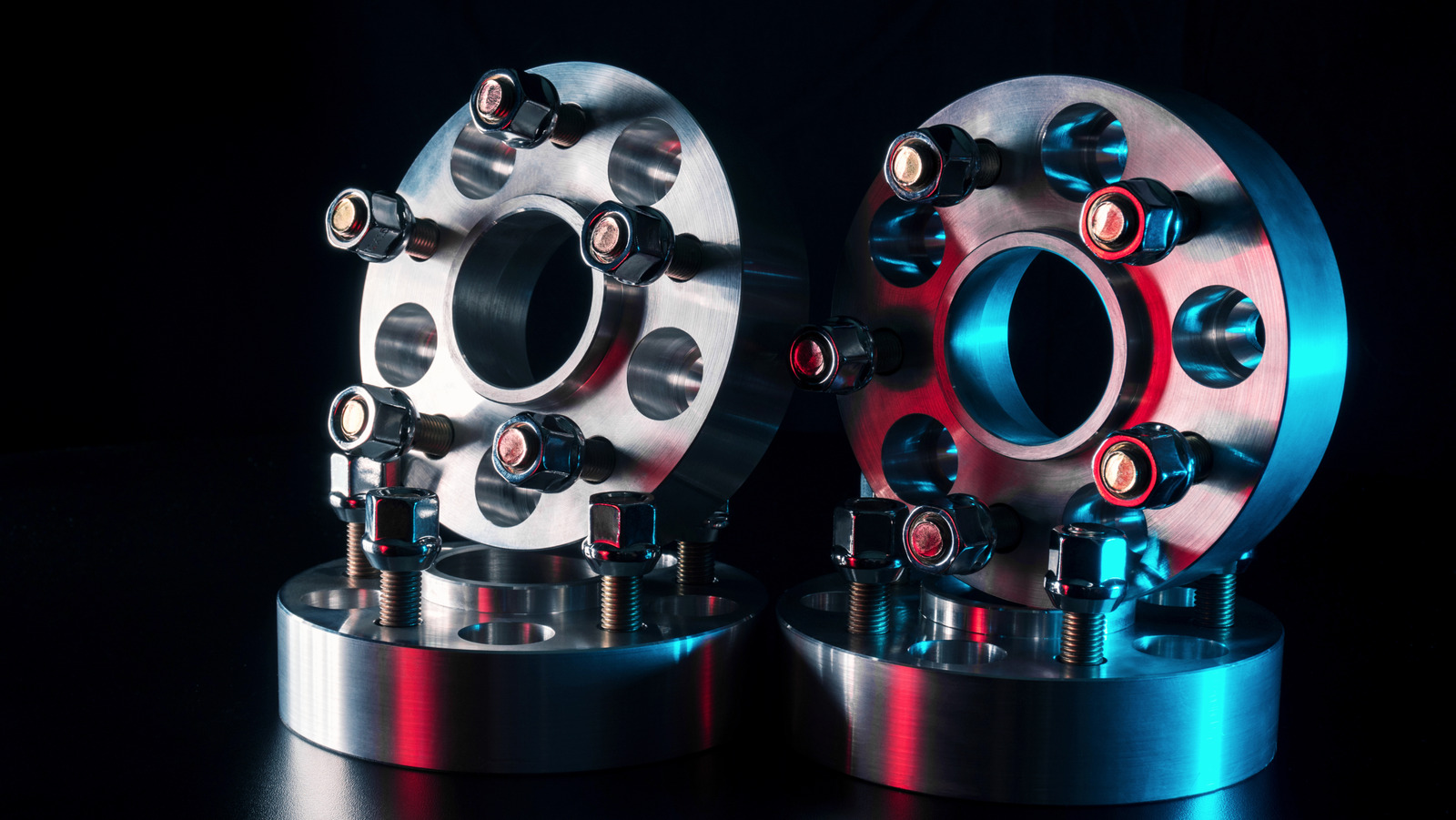
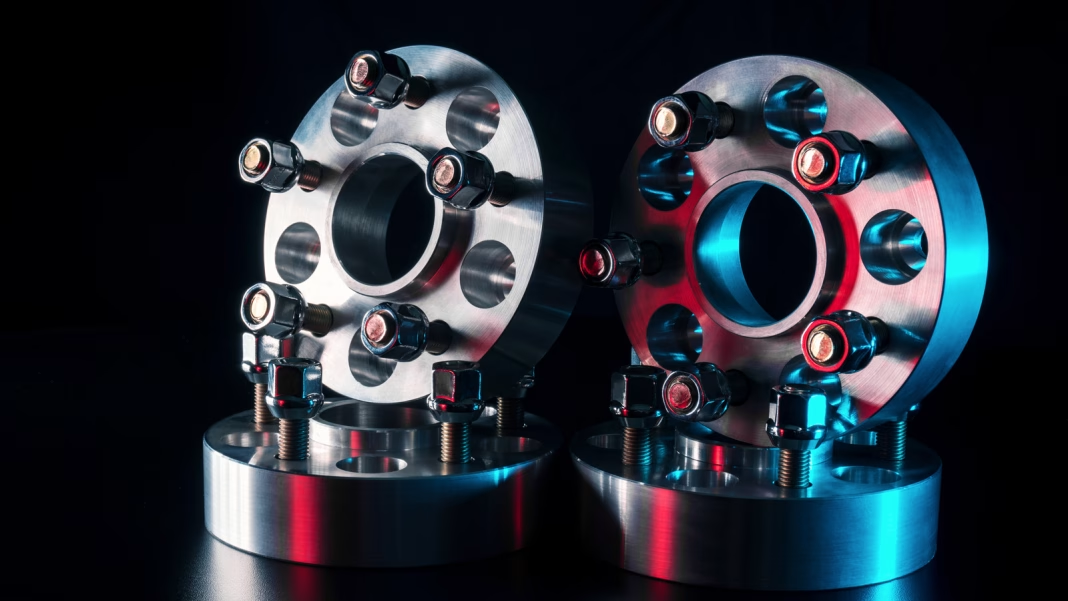
Let’s start with the basics: wheel spacers are a popular modification among car enthusiasts and everyday drivers alike. They’re essentially metal discs that fit between your car’s wheel hub and the wheel itself, pushing the wheels outward. Why bother? For some, it’s all about looks—wider stance, more aggressive presence. For others, it’s a practical move, making room for bigger brakes or improving handling by widening the track. In certain off-road or performance setups, spacers can even help with tire clearance issues. But as with any mod, there’s always that nagging question: what’s the trade-off?
How Do Wheel Spacers Affect Wheel Bearings?
Here’s where things get interesting. Your wheel bearings are designed to handle loads coming from very specific angles—mainly vertical forces from the weight of your car and lateral forces from cornering. When you add spacers, you’re moving the wheel further away from the hub. This increases the leverage (think: using a longer wrench to loosen a bolt), which means the bearing has to work harder to support the same weight.
A 2023 study from the Society of Automotive Engineers found that even a 10mm spacer can increase bearing load by up to 15%. That’s not a trivial jump. Over time, this extra stress can accelerate wear, especially if the bearings are already old or if you’re running oversized wheels and tires. It’s a bit like carrying groceries at arm’s length instead of close to your body—your muscles (or in this case, the bearings) tire out faster.
Are All Wheel Spacers Equally Risky?
Not all spacers are created equal. Cheap, poorly machined spacers can cause more problems than they solve—think vibration, uneven load distribution, or even wheel wobble. High-quality hub-centric spacers, which are designed to fit snugly over your vehicle’s hub, are much safer. They help ensure the load is properly distributed, reducing the risk of bearing damage.
Bolt-on spacers (which attach to the hub with their own set of studs) are generally more secure than slip-on types, especially for thicker applications. Still, even the best spacer can’t change the laws of physics: increasing the distance between the wheel and the hub will always increase bearing load, at least a little.
What About Real-World Experiences and Expert Opinions?
Talk to a handful of mechanics, and you’ll hear a range of stories. Some see cars with spacers come in for premature bearing failure, especially on vehicles that are driven hard or loaded heavily. Others say that, with proper installation and moderate spacer thickness (usually under 20mm), most daily drivers won’t notice any issues for years.
Automotive engineer Sarah Kim, who’s worked with several OEMs, notes, “If you’re using high-quality spacers and you’re not pushing the limits with oversized wheels or aggressive driving, the impact on bearing life is often minimal. But skip on quality or go too wide, and you’re asking for trouble.”
Can You Minimize the Risk of Bearing Damage?
Absolutely. Here’s how:
– Stick to reputable brands and always choose hub-centric spacers.
– Avoid going overboard on thickness—less is more when it comes to spacer width.
– Check your wheel bearings regularly, especially if you notice any humming, grinding, or wobbling.
– Make sure spacers are installed by someone who knows what they’re doing. Improper installation is a recipe for disaster.
– If you’re running spacers for looks alone, consider whether a different wheel offset might achieve the same effect with less risk.
Is It Worth It for Your Car?
Ultimately, it comes down to your priorities. If you’re chasing a certain look or need the extra clearance for performance upgrades, spacers can be a smart solution—just go in with your eyes open. For most daily drivers, modest spacers installed properly won’t spell instant doom for your wheel bearings, but they do add a bit of extra wear over time.
The big takeaway? Wheel spacers aren’t about perfection—they’re about smarter adjustments. Start with one change this week, and you’ll likely spot the difference by month’s end.