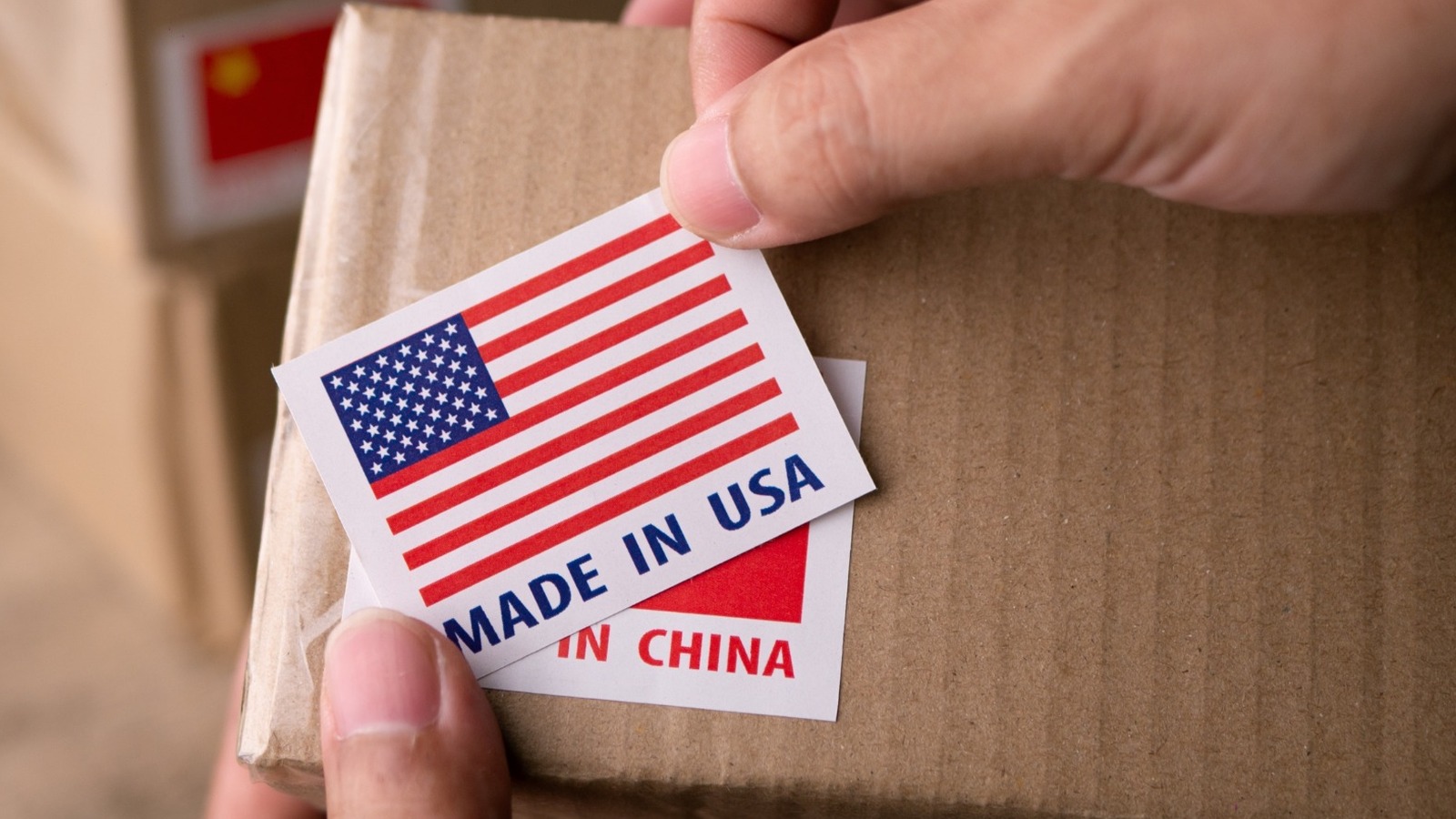
Are you aware that some of the oil filters you might have trusted for years are no longer made in America? It’s a bit of a shocker, right? Many brands that once proudly displayed “Made in the USA” are now stamped with “Made in Another Country.” This shift raises some important questions about quality, reliability, and what it means for your vehicle maintenance.
Why Are Oil Filters Being Manufactured Abroad?
The trend of moving production overseas isn’t new. Companies often cite cost-cutting measures as a primary reason for relocating manufacturing. Labor costs can be significantly lower in other countries, which allows companies to maintain competitive pricing. However, this can lead to concerns about the quality of the products. When you think about it, oil filters play a crucial role in your vehicle’s performance. They keep the engine clean by filtering out dirt and debris from the oil, which is vital for longevity and efficiency. So, when a trusted brand shifts production, it’s natural to wonder if the quality will remain the same.
What Does This Mean for Consumers?
For consumers, the implications can be significant. Many people assume that a brand they’ve relied on for years will continue to deliver the same level of quality, regardless of where it’s made. Unfortunately, that’s not always the case. Some filters manufactured abroad may not meet the same rigorous standards that American-made products were held to. This doesn’t mean all foreign-made oil filters are inferior, but it does mean that consumers need to be more vigilant.
How Can You Choose the Right Oil Filter?
With so many options on the market, how do you ensure you’re picking a reliable oil filter? Here are a few tips:
1. **Research the Brand**: Look into the company’s reputation. Are they known for quality? Do they have a history of producing reliable products? Online reviews and forums can be great resources.
2. **Check for Certifications**: Some filters come with certifications that indicate they meet specific performance standards. Look for filters that have been tested and certified by reputable organizations.
3. **Consider the Price**: While it’s tempting to go for the cheapest option, remember that you often get what you pay for. Investing a little more in a quality filter can save you money in the long run by preventing engine damage.
4. **Ask for Recommendations**: Don’t hesitate to ask a mechanic or automotive expert for their opinion. They often have firsthand experience with various brands and can guide you toward reliable options.
5. **Stay Informed**: Keep an eye on industry news. Changes in manufacturing practices can affect product quality, and being informed will help you make better choices.
Real-World Examples of Brand Changes
Several well-known brands have made the shift from American manufacturing to overseas production. For instance, some filters that were once made in the USA are now produced in countries like China or Mexico. This transition can lead to mixed reviews from consumers who notice a difference in performance or durability. It’s essential to stay updated on these changes, as they can directly impact your vehicle’s maintenance routine.
The Importance of Quality Control
Quality control is paramount in manufacturing, especially for products like oil filters that directly affect engine performance. Companies that maintain strict quality control measures, regardless of where their products are made, are more likely to produce reliable filters. It’s worth investigating how a brand ensures quality in its overseas facilities. Are they using the same materials? Do they follow the same testing protocols? These factors can make a significant difference in the final product.
The big takeaway? The shift from American-made oil filters to overseas production isn’t just a change in label—it’s a call to action for consumers. Being informed and proactive about your choices can help ensure that your vehicle runs smoothly. So, start with one change this week, whether it’s researching a new brand or asking your mechanic for advice, and you’ll likely spot the difference by month’s end.