Where Are Manual Transmissions Still Popular?
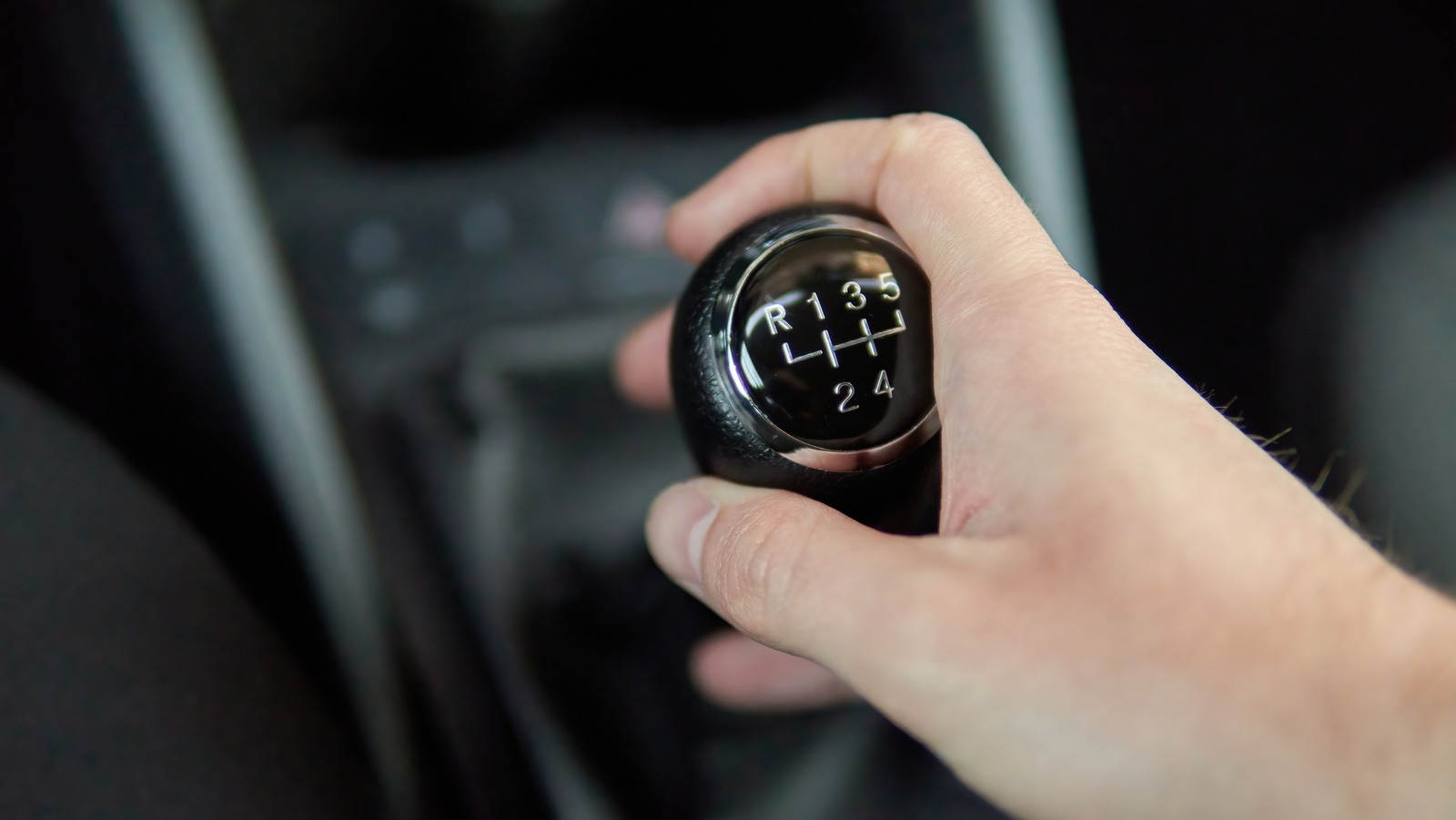
If you’ve ever tried to buy a new car with a stick shift in the United States, you know it’s a rare find. Manuals now make up less than 1% of new car sales here, according to data from J.D. Power. But travel beyond American highways and you’ll discover that the manual transmission is alive and well in many parts of the world. So, where do drivers still love to row their own gears—and why?
Why Do Some Countries Prefer Manual Cars?
It’s not just nostalgia or a love of driving that keeps manuals popular abroad. In many countries, manuals are simply more practical. They’re often cheaper to buy and maintain, and they tend to be more fuel-efficient—especially in regions where gas prices are sky-high. Plus, in places with hilly terrain or older road infrastructure, having direct control over your gears can be a real advantage.
Europe: The Stronghold of the Stick Shift
Take a stroll through a parking lot in France, Germany, or Italy, and you’ll see a sea of manual gear levers. In fact, over 70% of new cars sold in Europe still come with a manual transmission, according to the European Automobile Manufacturers Association. Part of this is tradition—manuals have long been the default option. But it’s also about cost: automatics are often considered a luxury upgrade, and many drivers simply don’t see the need to pay extra.
India: Manuals Make Economic Sense
In India, manual transmissions dominate the market, accounting for over 80% of new car sales as of 2023 (Statista). The reasons are straightforward: manuals are more affordable, and they’re better suited to the stop-and-go traffic of India’s bustling cities. Automatic gearboxes are gaining ground, but for now, the stick shift remains king.
Australia: Manuals for the Enthusiast
While automatics have become more common Down Under, Australia still has a soft spot for manuals—especially among driving enthusiasts and in rural areas. Manuals are prized for their reliability and control on long, open roads or rugged terrain. According to a 2022 report from the Federal Chamber of Automotive Industries, manuals still make up a significant share of sales in certain vehicle segments, like utes and compact cars.
South Africa: Manuals Rule the Roads
South African drivers overwhelmingly choose manuals, with estimates suggesting that up to 85% of cars on the road have a stick shift. The reasons echo those in India and Europe: affordability, fuel efficiency, and a driving culture that values skill and engagement. For many, learning to drive means learning to master the clutch.
Latin America: Manuals as the Default
In countries like Mexico, Brazil, and Argentina, manuals are still the norm. Automatics are available, but they’re often seen as a premium feature. Manuals are cheaper to buy and fix, which matters in markets where cost is a major consideration. Plus, many drivers feel more in control behind the wheel of a manual—especially on winding mountain roads.
Japan: A Niche, But Passionate, Market
Japan’s urban centers are dominated by automatics, but there’s a dedicated community of manual lovers—especially among sports car fans. Brands like Mazda and Toyota still offer manual options on select models, catering to drivers who crave a more connected experience. Manuals are also popular in rural areas, where simplicity and reliability are prized.
What’s Fueling the Shift Away from Manuals in Some Places?
It’s not all good news for the stick shift. As automatics become more advanced—think dual-clutch transmissions and CVTs—they’re closing the gap on fuel efficiency and performance. In some markets, automatics are now just as efficient as manuals, and often easier to drive in heavy traffic. Add in the rise of electric vehicles (which don’t need traditional transmissions at all), and it’s clear the manual’s days may be numbered in some regions.
Is the Manual Transmission Disappearing for Good?
Not everywhere. While the U.S. and parts of Asia are moving toward automatics and EVs, there’s still a stronghold of manual fans worldwide. In fact, some automakers are responding to renewed interest among younger drivers and enthusiasts by keeping manual options alive—at least for now. For example, recent surveys by the UK’s Society of Motor Manufacturers and Traders show that nearly half of British drivers under 35 would consider buying a manual car, citing driving enjoyment as a key factor.
The big takeaway? The manual transmission isn’t about perfection—it’s about smarter adjustments. Start with one change this week, and you’ll likely spot the difference by month’s end. Whether you’re learning to drive stick or just appreciating the craft, there’s still a place for the manual in today’s world—if you know where to look.