Where Can You Actually Have 5 Percent Tint on Your Car Windows?
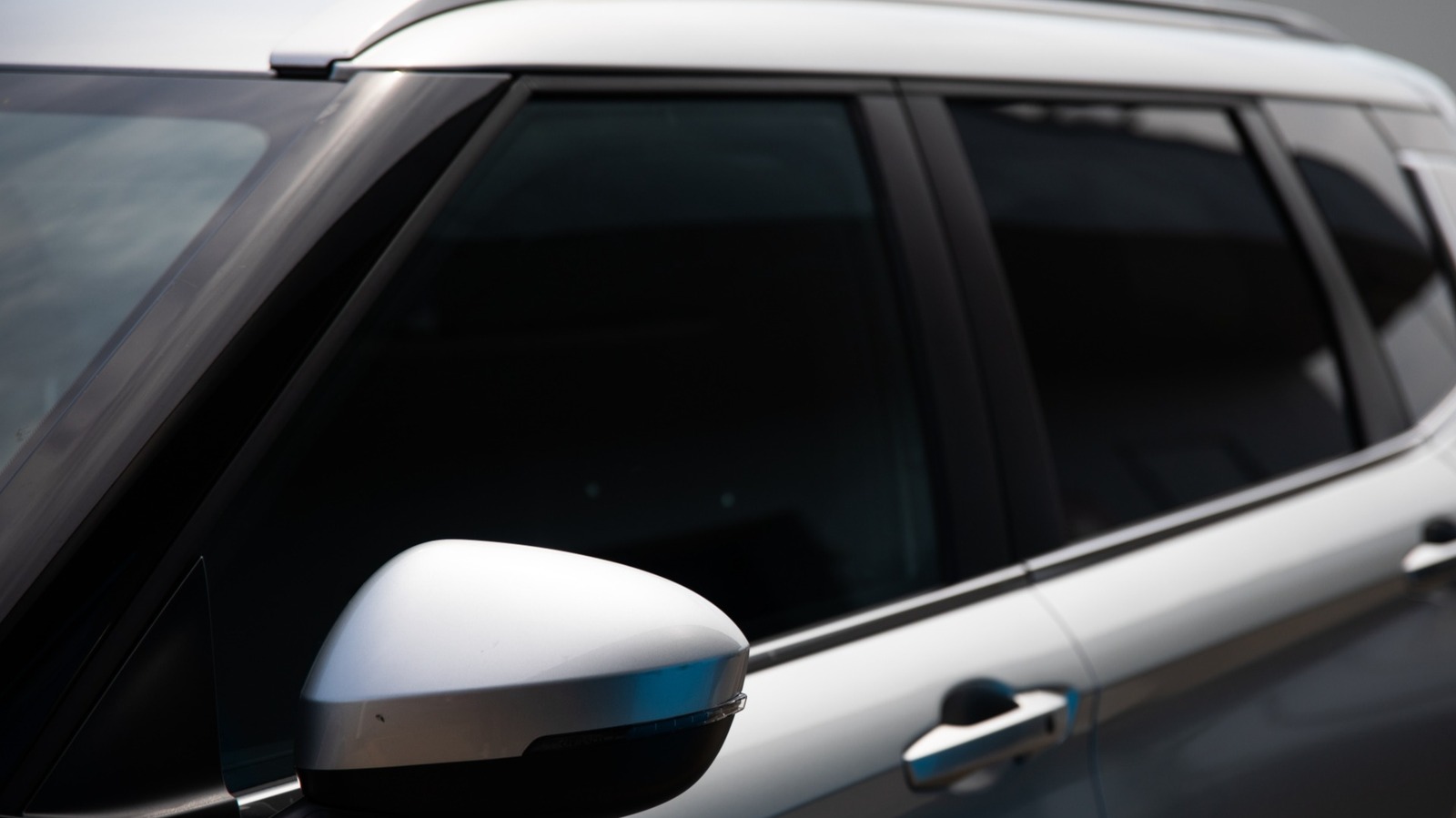
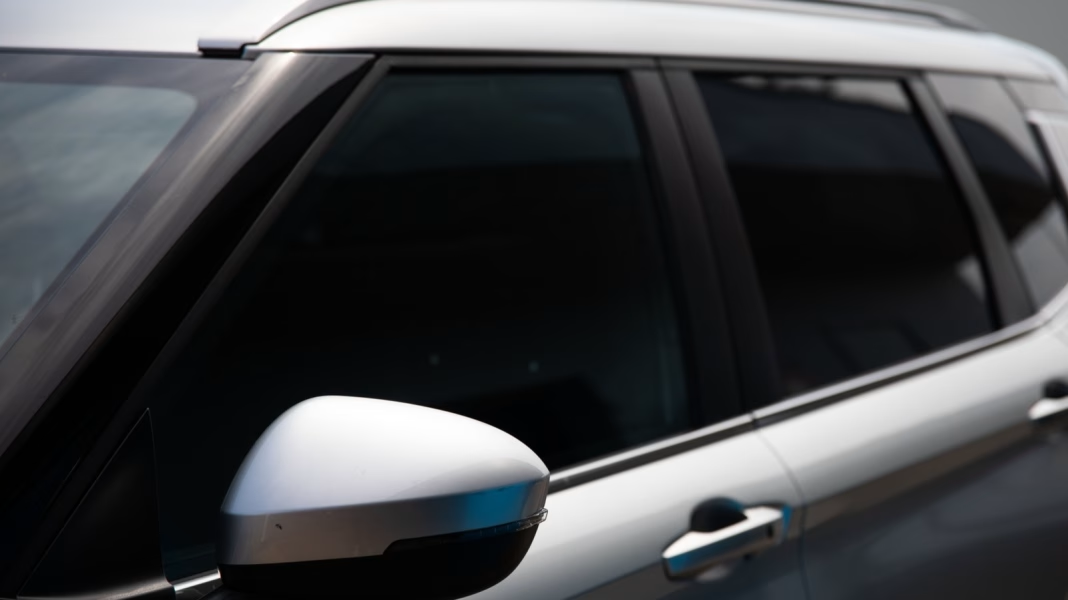
If you’ve ever admired a car with windows so dark you can barely see inside, you’re probably looking at 5 percent VLT tint—sometimes called “limo tint.” It’s sleek, it’s mysterious, and it’s a favorite for privacy lovers. But here’s the catch: in most of the US, this ultra-dark tint is a no-go for regular drivers. So, where can you legally roll around with 5 percent tint? Let’s break it down.
What Does 5 Percent VLT Really Mean?
Before diving into the legalities, let’s clear up the jargon. VLT stands for Visible Light Transmission. A 5 percent VLT tint only lets 5 percent of outside light into your car. In other words, it blocks 95 percent of sunlight. That’s why you can’t see in—at all. While this might sound perfect for privacy, it can also make night driving trickier and, in some cases, attract unwanted attention from law enforcement.
Why Do States Restrict Window Tint Darkness?
It’s not just about aesthetics. States set window tint laws for safety reasons. Police officers need to see inside vehicles during traffic stops, and drivers need enough visibility, especially at night or in bad weather. According to the National Highway Traffic Safety Administration (NHTSA), reduced visibility from dark tints can increase the risk of accidents, particularly at intersections and during nighttime driving. That’s why most states set a minimum VLT—usually 35 percent or higher for front windows.
Which States Allow 5 Percent Tint on Passenger Cars?
Here’s the million-dollar question. As of 2024, only a handful of states let you legally install 5 percent VLT tint on your car’s front side windows. The list is short, and the rules can be surprisingly specific. Here are the states where 5 percent tint is permitted on at least some windows:
– Arkansas: 5 percent is allowed on rear side and back windows for passenger vehicles, but not on the front side windows.
– Michigan: Any darkness is allowed on rear side and back windows, but front side windows must let in more light.
– New Mexico: 5 percent is legal on rear side and back windows.
– North Dakota: Rear windows can have 5 percent tint, but front side windows must be lighter.
– Ohio: Back side and rear windows can be as dark as you want.
– South Carolina: 5 percent is allowed on rear side and back windows.
– Wyoming: Rear side and back windows can have 5 percent tint.
A few other states have similar rules, but always check the latest local regulations. Some states allow 5 percent tint only on multi-purpose vehicles (like SUVs and vans), not on regular sedans. And in some places, medical exemptions can let you go darker if you have a qualifying condition.
Is 5 Percent Tint Ever Legal on Front Windows?
Here’s where things get tricky. No state currently allows 5 percent VLT on the front side windows of standard passenger cars without a medical exemption. The strictest states—like California and New York—require at least 70 percent VLT on front windows. That means your front windows have to be almost clear. So, if you see a car with limo tint up front, odds are it’s either a show car, has a medical waiver, or the owner is risking a ticket.
What About Factory Tint Versus Aftermarket Tint?
Some cars come from the factory with slightly tinted rear windows, but this is usually much lighter than 5 percent. Factory tint is built into the glass and typically ranges from 15 to 26 percent VLT. Aftermarket tint, which is applied as a film, can go much darker—but that’s where state laws come in. If you’re thinking about adding 5 percent tint to your ride, make sure you’re not doubling up over factory tint, which could push you well below the legal limit.
Are There Real-World Risks to Going Too Dark?
Beyond the legal headaches, there are practical downsides to ultra-dark tint. Visibility drops, especially at night or in rain. Insurance companies may deny claims if your tint is found to be illegal after an accident. And, of course, you’re more likely to get pulled over. According to a 2022 survey by the Insurance Institute for Highway Safety, window tint violations are among the top five reasons for traffic stops in states with strict tint laws.
Tips for Staying on the Right Side of the Law
If you’re set on darkening your windows, here’s how to keep things hassle-free:
– Always check your state’s Department of Motor Vehicles website for the latest tint laws.
– Ask your installer for a certificate of compliance—some states require you to carry this in your glovebox.
– Consider a professional installation. DIY jobs can result in bubbles, peeling, or uneven tint that draws attention.
– If you have a medical need for darker tint, talk to your doctor and get the proper paperwork before heading to the tint shop.
What’s the Best Balance Between Privacy and Practicality?
For most drivers, a VLT between 20 and 35 percent on rear windows offers a good mix of privacy and visibility. It’s dark enough to keep prying eyes out but light enough to see clearly at night. If you’re after that limo look, just remember: the law is rarely on your side, and the risks might outweigh the cool factor.
The big takeaway? Window tinting isn’t about perfection—it’s about smarter adjustments. Start with one change this week, and you’ll likely spot the difference by month’s end.