Which Car Really Came First with Standard Disc Brakes?
Ask any car enthusiast which vehicle first rolled off the assembly line with disc brakes as standard, and you’ll probably get a few different answers. Some will swear it was an American classic, others will point to French innovation, and a few will champion British engineering. So, who’s actually right? Let’s dig into the real story behind this automotive milestone.
Why Were Disc Brakes Such a Big Deal in the First Place?
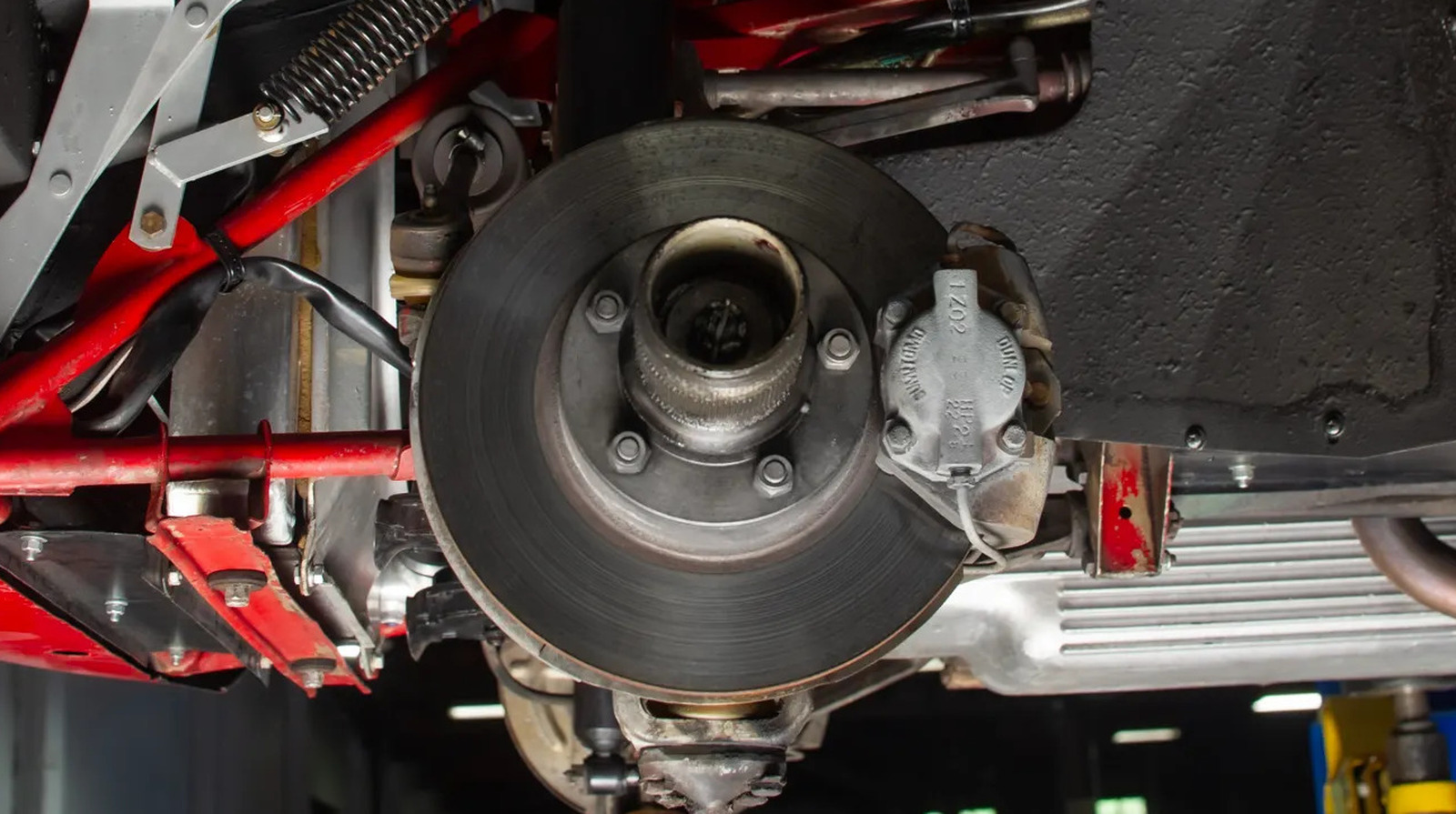
Before disc brakes, drum brakes were the norm. They worked well enough for a while, but as cars got faster and heavier in the mid-20th century, drum brakes started to show their limits—especially when it came to heat and stopping power. Disc brakes, with their exposed rotors and calipers, could dissipate heat much better. That meant more consistent performance, less fade, and, frankly, a lot more confidence behind the wheel.
It’s no exaggeration to say that disc brakes changed the game for safety and performance. According to the National Highway Traffic Safety Administration, advancements in braking technology—including the widespread adoption of disc brakes—have played a significant role in reducing traffic fatalities over the past several decades.
Who Claims the Title: American, French, or British Automakers?
Let’s break down the contenders.
The American Angle: Chrysler’s Imperial Crown
Chrysler made headlines in 1949 when it offered a disc brake system—specifically, the “Auto Specialties” disc brake—on its Imperial Crown. But there’s a catch: it was an optional extra, not standard equipment. Only a handful of buyers actually ticked that box, so while Chrysler was ahead of its time, it doesn’t quite clinch the “first standard” title.
The French Innovation: Citroën DS
Jump to 1955, and you’ll find the Citroën DS making waves in Europe. This car wasn’t just futuristic in looks; it came with front disc brakes as standard. Citroën’s setup was advanced for its day, using inboard discs to reduce unsprung weight and improve handling. The DS quickly became a legend for its ride quality and safety features, and its disc brakes played a big part in that reputation.
The British Entry: Triumph TR3
Meanwhile, across the Channel, the Triumph TR3 hit the market in 1956. It was the first production car sold in the United States with front disc brakes as standard. For American buyers, this was a revelation—finally, a sports car that could stop as well as it could go. The TR3’s Girling disc brakes were robust and reliable, helping to cement Triumph’s place in sports car history.
So, Who Actually Gets the Crown?
If we’re talking about the very first car with disc brakes available at all, Chrysler’s Imperial deserves a nod, even if it was optional. But if you’re looking for the first mass-produced car with disc brakes as standard, the Citroën DS takes the prize globally. For American buyers, though, the Triumph TR3 was the first to bring standard disc brakes stateside.
It’s a bit like arguing over who invented the sandwich—depends on how you define it, and where you’re standing.
How Did Disc Brakes Change Everyday Driving?
The impact of disc brakes went far beyond the racetrack. They made everyday driving safer, especially in wet or hilly conditions where drum brakes could fade or lock up. Insurance studies from the 1960s and 70s showed that cars with disc brakes had fewer rear-end collisions, thanks to shorter stopping distances.
Today, disc brakes are a given on nearly every new car, front and rear. But back then, they were a luxury—one that quickly became a necessity as speeds and traffic increased.
What Should You Look for in Modern Braking Systems?
If you’re shopping for a car today, you’ll find that most models come with ventilated disc brakes up front and, increasingly, in the rear as well. Look for features like anti-lock braking systems (ABS) and electronic brake-force distribution (EBD), which build on the foundation laid by those early disc brake pioneers.
And if you’re restoring a classic, upgrading to disc brakes is one of the smartest safety moves you can make. It’s not just about authenticity—it’s about making sure your pride and joy stops as well as it goes.
The Big Takeaway
The first car with standard disc brakes depends on where you look and how you define “first.” But one thing’s clear: disc brakes weren’t just a technical upgrade—they were a leap forward in safety and confidence. The big takeaway? Automotive progress isn’t about perfection—it’s about smarter adjustments. Start with one change this week, and you’ll likely spot the difference by month’s end.