Why Don’t We Have Airless Tires on Our Cars Yet?
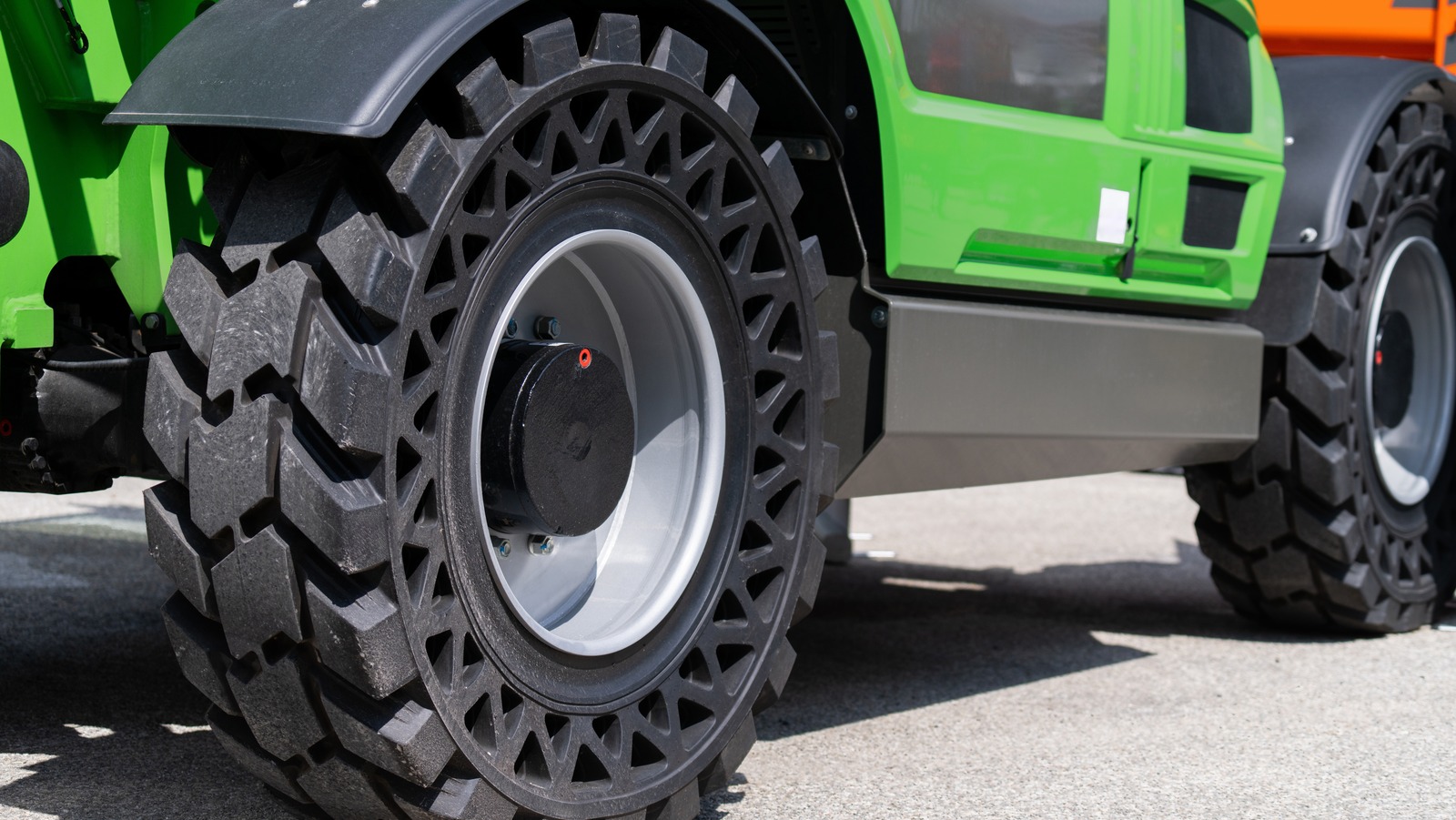
If you’ve ever been stranded by a flat tire, you’ve probably wondered why airless tires aren’t standard by now. After all, the idea sounds like a no-brainer: tires that never go flat, never need to be topped up, and shrug off nails like they’re nothing. So why, after decades of research and flashy prototypes, are we still driving on good old-fashioned air-filled rubber? Let’s dig into what’s holding airless tires back—and whether they’re really the game-changer they seem.
What Are the Supposed Advantages of Airless Tires?
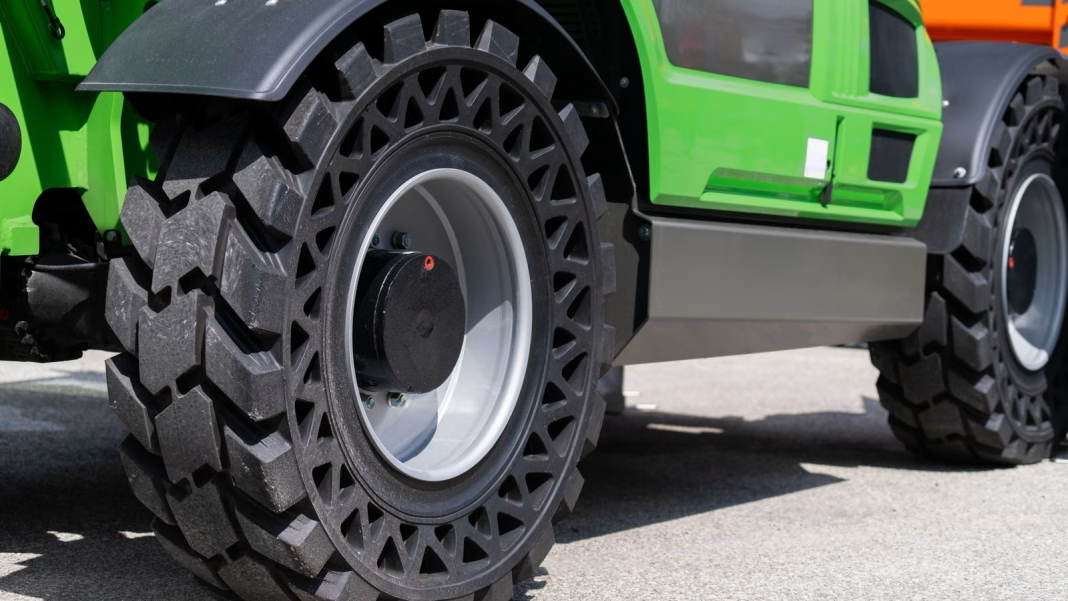
Airless tires, sometimes called non-pneumatic tires, promise a world without flats. No more roadside wrestling with a jack. No more worrying about tire pressure. For fleet managers and delivery drivers, that could mean fewer breakdowns and lower maintenance costs. And for the average driver? Peace of mind.
There’s also the potential for better durability. Without air, there’s no risk of blowouts. Some designs even use recyclable materials, which could make them more eco-friendly in the long run. Michelin’s Tweel and Bridgestone’s Air Free Concept are just two examples that have made headlines, showing off futuristic designs that look like something out of a sci-fi movie.
Are There Downsides to Airless Tires?
Here’s where the rubber meets the road—literally. While airless tires sound perfect on paper, real-world testing has revealed some big challenges.
First, ride comfort. Air acts as a cushion, absorbing bumps and potholes. Most airless prototypes struggle to match the smoothness of a traditional tire, especially at highway speeds. That means a stiffer, noisier ride—something most drivers won’t tolerate for long.
Then there’s heat. Airless tires tend to build up more heat during use, especially under heavy loads or at high speeds. Excess heat can cause faster wear or even structural failure. For passenger cars, that’s a dealbreaker.
Handling is another sticking point. Traditional tires flex and grip in ways that help with steering and braking. Airless designs often feel less responsive, and their unique tread patterns can affect traction on wet or icy roads.
Finally, there’s the price tag. Manufacturing airless tires at scale is still expensive. Until costs come down, they’re unlikely to compete with the tried-and-true pneumatic tire.
Why Hasn’t the Technology Caught On Yet?
It’s not for lack of trying. Major tire companies have poured millions into research and development. But the road to a truly flat-proof, maintenance-free tire has been bumpier than expected.
One reason is that the demands on a car tire are surprisingly complex. Tires have to balance comfort, safety, durability, and cost—all while handling everything from potholes to heatwaves. Airless designs often excel in one area but fall short in others.
There’s also the inertia of the auto industry. Car makers and tire manufacturers have spent decades perfecting pneumatic tires. Switching to a new technology means retooling factories, retraining mechanics, and convincing drivers to accept a different feel behind the wheel.
And let’s not forget regulations. Any new tire has to pass strict safety tests before it hits the market. Until airless tires can consistently meet or beat the performance of conventional ones, regulators are unlikely to give them the green light for widespread use.
Are There Any Real-World Success Stories?
While you won’t find airless tires on your neighbor’s sedan just yet, they’re quietly making inroads elsewhere. Lawn mowers, golf carts, and some military vehicles already use non-pneumatic tires, where comfort and high-speed handling aren’t as critical.
In 2023, Michelin began limited testing of its Uptis airless tire on delivery vehicles in select cities. Early results are promising, especially for fleets that value uptime over ride quality. But for now, these are niche applications—not mainstream solutions.
What Needs to Change Before Airless Tires Go Mainstream?
For airless tires to become a real option for everyday drivers, several hurdles need to be cleared. Engineers are working on new materials that can better absorb shocks and dissipate heat. Some companies are experimenting with hybrid designs that combine the best of both worlds: a partially air-filled core with a supportive outer structure.
Cost is another big factor. As manufacturing techniques improve and production scales up, prices should come down. But until airless tires can match the affordability and performance of traditional options, most drivers will stick with what they know.
The Big Takeaway? Airless tires aren’t about perfection—they’re about smarter adjustments. Start with one change this week, and you’ll likely spot the difference by month’s end. Keep an eye on this space: the flat-proof future may not be here yet, but it’s definitely rolling closer.