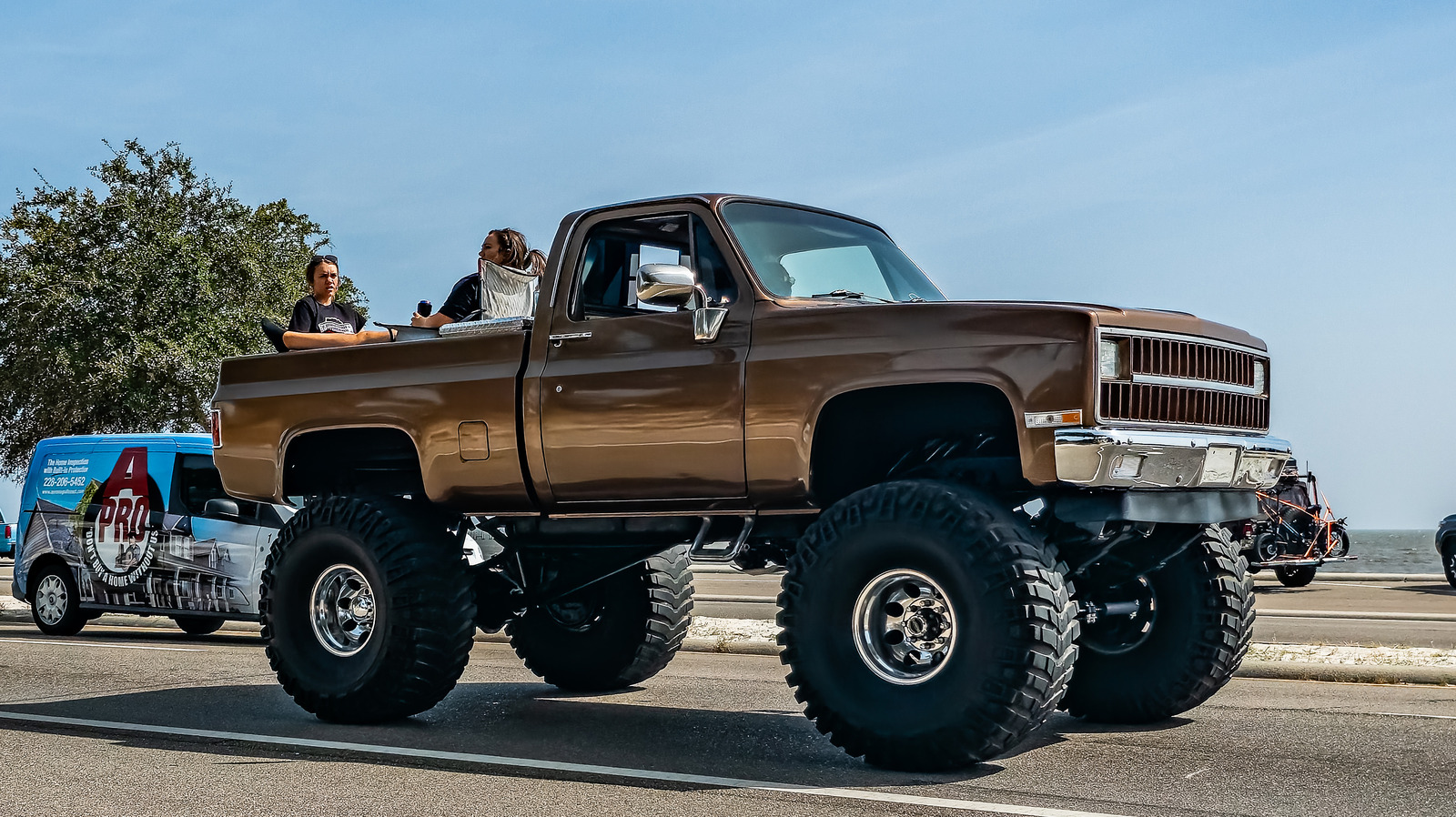
What Happens to Your Transmission When You Install Bigger Tires?
Thinking about swapping your stock tires for something beefier? You’re not alone—bigger tires can look fantastic and promise better off-road performance. But before you make the leap, it’s worth understanding what those oversized wheels might be doing to your transmission. Spoiler: it’s not always pretty.
Why Do Bigger Tires Stress Your Transmission?
Let’s break it down. Your car’s transmission is calibrated for the tires it rolled out of the factory with. When you install larger tires, you’re effectively changing the final drive ratio. That means your engine and transmission have to work harder to turn those bigger, heavier wheels. Imagine running on a treadmill with ankle weights—sure, you can do it, but you’re going to feel the burn.
The increased rolling resistance and weight force your transmission to operate outside its comfort zone. Over time, this can lead to overheating, premature wear, and even catastrophic failure. According to a 2023 report from the Society of Automotive Engineers, vehicles with oversized tires are up to 30% more likely to experience transmission-related issues within the first 50,000 miles compared to those with factory-spec wheels.
How Do Gear Ratios Get Thrown Off?
Here’s where things get technical, but stick with me. Your car’s gear ratios are designed to match the circumference of your original tires. When you go bigger, each revolution of the tire covers more ground. The result? Your speedometer reads low, your odometer underreports miles, and your transmission shifts at the wrong times.
This mismatch means your engine might lug in higher gears or rev too high in lower ones. Neither scenario is good. Over time, these off-kilter shifts can cause slipping, overheating, and excessive wear on clutch packs and bands. Transmission shops see this all the time—drivers come in with mysterious shifting problems, only to discover the culprit is a recent tire upgrade.
Can You Offset the Damage With Other Mods?
Absolutely, but it takes more than just slapping on new tires and calling it a day. The most common fix is to re-gear your differential to restore the original drive ratio. This can be a pricey job, but it’s often essential if you want to avoid long-term transmission damage.
Some drivers also invest in transmission coolers to help manage the extra heat. Others recalibrate their speedometers and transmission control modules to account for the new tire size. These steps can help, but they’re not magic bullets. If you’re pushing your vehicle hard—think towing, off-roading, or hauling heavy loads—bigger tires will still take a toll.
Are There Any Real-World Examples of Problems?
Plenty. Take the case of a Jeep Wrangler owner who upgraded from 31-inch to 35-inch tires without re-gearing. Within a year, the transmission began slipping during highway driving. A transmission specialist traced the issue back to the oversized tires and the strain they placed on the drivetrain. After a costly rebuild and a differential re-gear, the problem was solved—but the lesson was learned the hard way.
Or consider pickup truck owners who use their vehicles for towing. Adding larger tires without compensating for the change in gear ratio can lead to overheating transmissions, especially on long uphill grades. According to a 2022 survey by AAA, transmission failures in trucks with non-factory tire sizes were 18% higher than those with stock setups.
What’s the Bottom Line for Daily Drivers?
If you’re mostly commuting or running errands, you might not notice problems right away. But over time, the extra strain adds up. Even if you’re not off-roading or towing, city driving with oversized tires can still shorten your transmission’s lifespan. Routine maintenance helps, but it won’t fully offset the mechanical mismatch.
Is There a Safe Way to Upgrade Tire Size?
Sure, but it’s all about moderation and planning. If you’re set on bigger tires, try to stay within 3% of your original diameter. Anything more, and you’re venturing into risky territory. Always consult your vehicle’s manual and consider talking to a trusted mechanic before making the switch.
If you do go big, budget for supporting upgrades—re-gearing, recalibrating electronics, and possibly upgrading your transmission cooler. Think of it as a package deal, not a standalone mod.
The big takeaway? Upgrading to bigger tires isn’t about perfection—it’s about smarter adjustments. Start with one change this week, and you’ll likely spot the difference by month’s end.