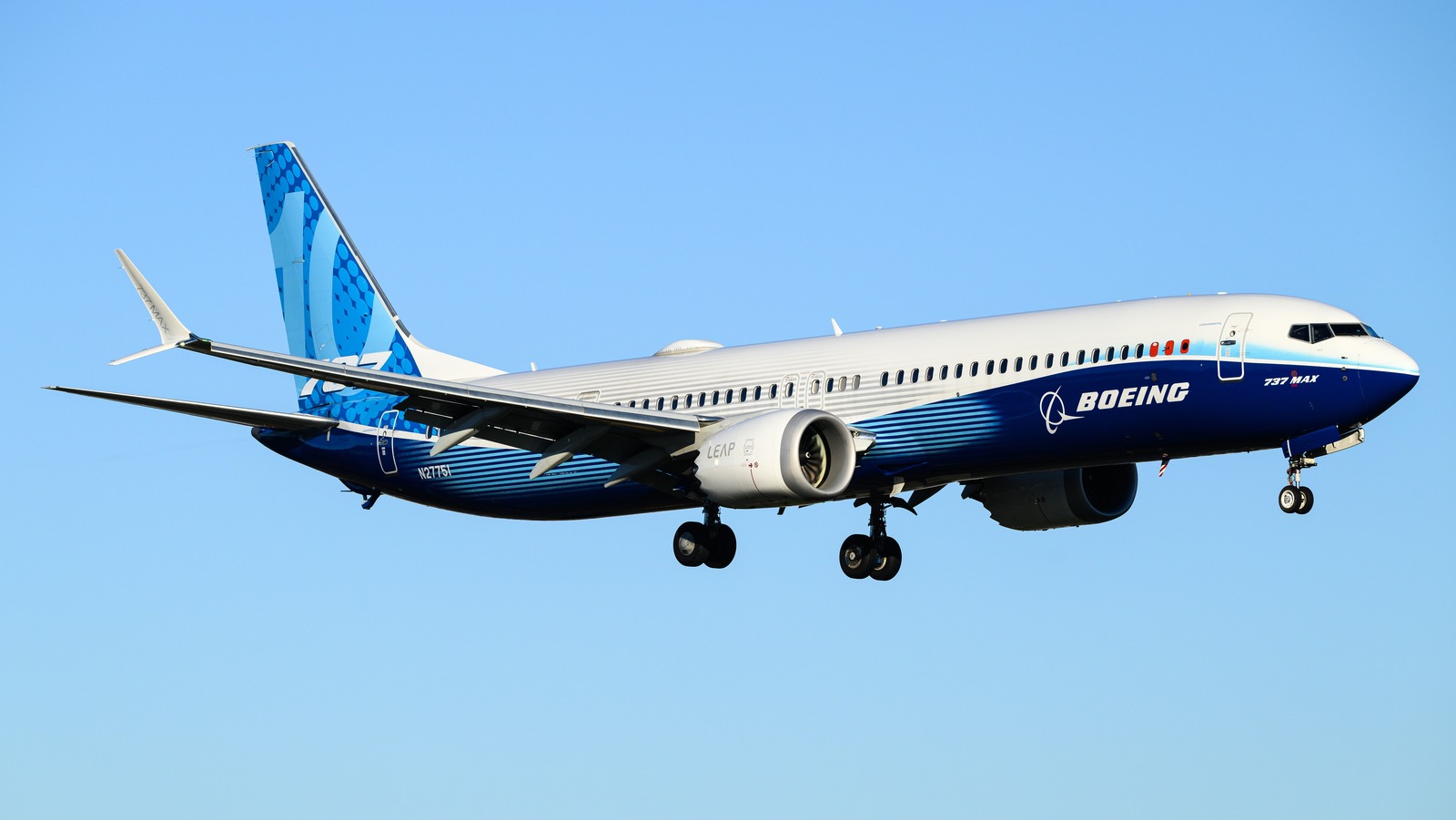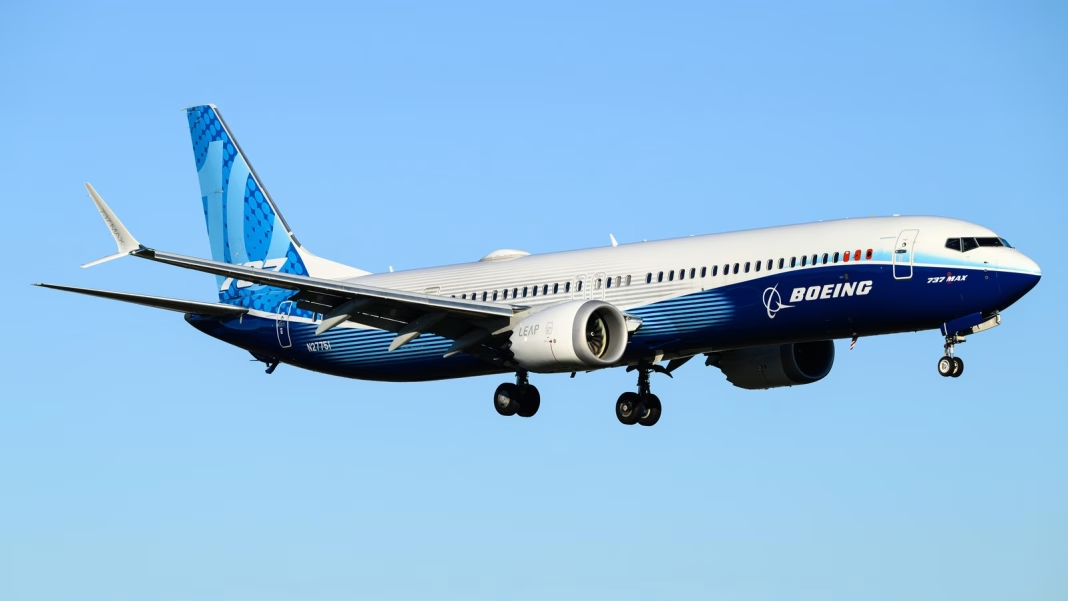
Why Doesn’t the Boeing 737 Dump Fuel Like Other Planes?
If you’ve ever watched a dramatic movie scene where a pilot frantically dumps fuel to make an emergency landing, you might wonder why you don’t see that happen with every commercial jet. In particular, the Boeing 737—one of the most common passenger planes in the world—doesn’t have a fuel dumping system at all. That’s not a design oversight. There’s a solid, practical reason behind it.
The 737 is a short- to medium-haul aircraft. Unlike long-range jets designed for intercontinental flights, it rarely takes off at a weight much higher than its maximum landing weight. In other words, it’s built to land safely even when its tanks are nearly full. According to Boeing’s own technical documentation, the difference between the 737’s maximum takeoff and landing weights is relatively small—often less than 10%—compared to widebody jets, which can have a 30% or greater difference. So, the need to rapidly shed thousands of pounds of fuel in an emergency just isn’t there for this aircraft.
How Do 737 Pilots Handle Emergencies When They’re Heavy?
Let’s say a 737 does need to land shortly after takeoff, still heavy with fuel. What then? Pilots have a couple of options, and neither involves flipping a switch to jettison fuel. Instead, they’ll typically enter a holding pattern—essentially flying in circles at a safe altitude—while the engines burn off enough fuel to get the plane down to a safe landing weight.
This isn’t just a theoretical procedure. In 2022, a Southwest Airlines 737 departing from Denver had to return due to a mechanical issue. The crew circled for about 45 minutes, burning off fuel before landing safely. It’s a routine part of pilot training and airline operations. The process is safe, if a bit tedious for passengers, and avoids the environmental and safety risks of dumping fuel over populated areas.
What Would Happen If a Plane Dumped Fuel Over Land?
Fuel dumping is a last resort, even for planes equipped with the feature. When it does happen, it’s almost always over unpopulated areas or at high altitudes where the fuel can vaporize before reaching the ground. But what if it’s over land, and not at cruising altitude?
Jet fuel is designed to evaporate quickly, but if dumped at lower altitudes, it can reach the ground as a mist or even droplets. That’s bad news for people, crops, and water supplies below. In 2020, a major incident occurred when a large jet dumped fuel over a Los Angeles school district during an emergency. Dozens of children and adults reported skin and respiratory irritation. The Federal Aviation Administration (FAA) and environmental agencies take these events seriously, and airlines face strict regulations and potential penalties for unnecessary fuel dumping.
Why Don’t All Planes Just Burn Off Fuel Instead?
You might wonder why any plane would dump fuel when burning it off seems safer. The answer comes down to physics and urgency. Widebody jets, like the Boeing 777 or Airbus A350, can take off with so much fuel that burning it off would take hours—time they might not have in a true emergency, like an engine fire or sudden decompression. For these aircraft, dumping fuel is a necessary safety feature, allowing them to land quickly without risking structural damage from being overweight.
The 737, on the other hand, simply doesn’t carry enough extra fuel for this to be a concern. The design choice to skip a fuel dumping system saves weight, reduces complexity, and lowers maintenance costs. It’s a win-win for airlines and, ultimately, for passengers.
Are There Environmental or Safety Benefits to Not Dumping Fuel?
Absolutely. Eliminating the ability to dump fuel means there’s no risk of accidental or unnecessary releases into the environment. Jet fuel contains chemicals that can harm ecosystems, contaminate water, and cause health problems for people on the ground. By relying on fuel burn-off, the 737 sidesteps these issues entirely.
From a safety perspective, not having a fuel dumping system means one less thing that can malfunction. Simpler systems mean fewer maintenance headaches and fewer opportunities for human error.
What Should Passengers Know If Their Flight Is Circling to Burn Fuel?
If you ever find yourself on a 737 that’s circling before an unscheduled landing, don’t panic. The crew is following well-established safety protocols. You might hear the engines throttling up and down, or notice the plane making wide turns. It’s all part of the process to ensure a safe landing.
Pilots are trained to communicate clearly with passengers in these situations. If you’re concerned, don’t hesitate to ask a flight attendant for updates. Most delays for fuel burn-off last less than an hour, and airlines prioritize passenger comfort and safety throughout.
The Big Takeaway
The Boeing 737’s approach to excess fuel isn’t about perfection—it’s about smarter adjustments. By skipping the fuel dump system, it keeps things simpler, safer, and greener. Start with one change this week—maybe reading up on how your next flight handles emergencies—and you’ll likely spot the difference in how much more confident you feel by month’s end.