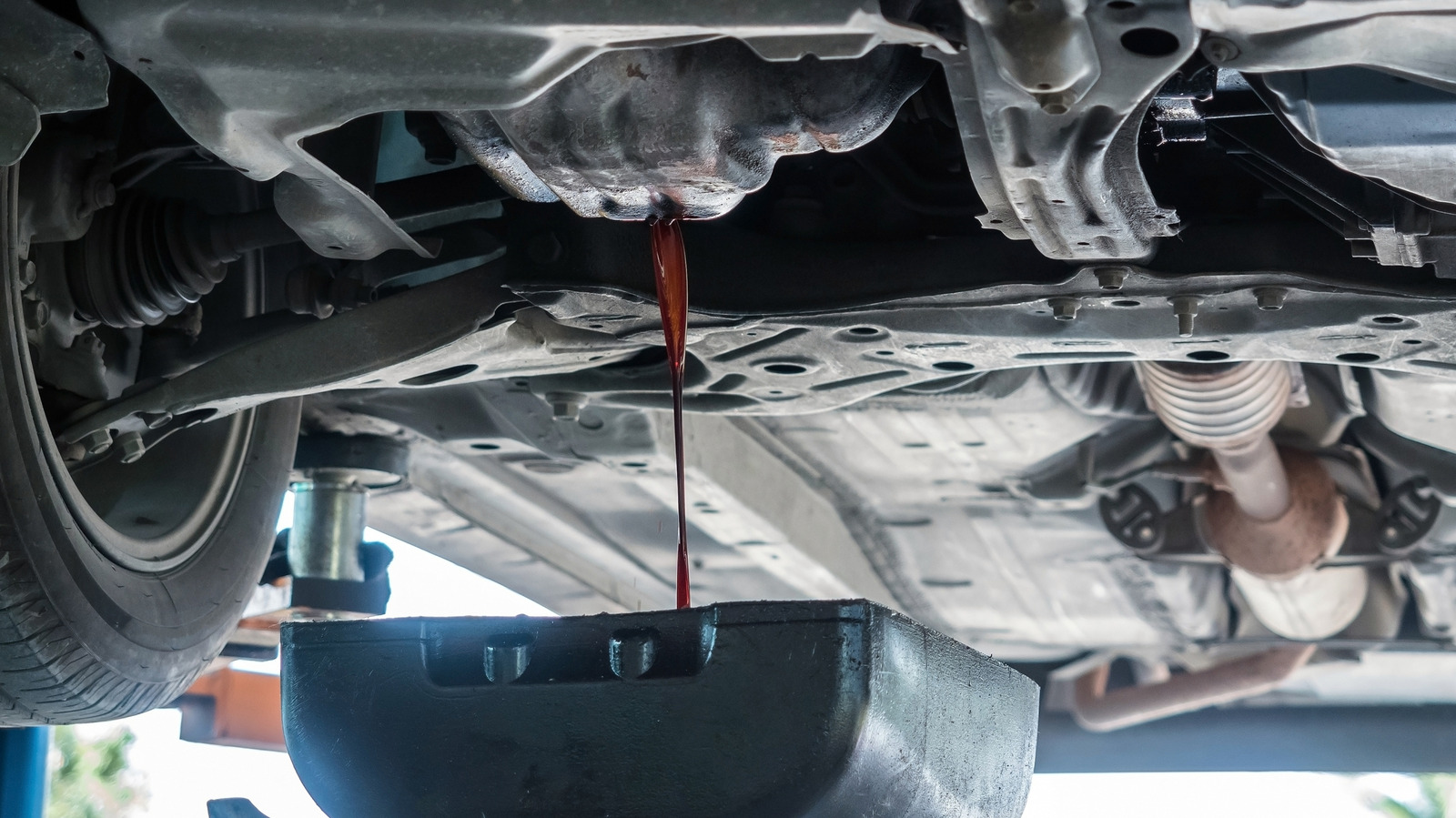
Why Are Car Makers Swapping Metal Oil Pans for Plastic Ones?
If you’ve popped the hood on a newer car lately, you might’ve noticed something odd: that once-sturdy metal oil pan is now plastic. At first glance, it’s easy to assume this is just another cost-cutting move. But there’s a lot more going on under the surface—literally.
What’s Driving the Shift from Metal to Plastic Oil Pans?
Let’s get the obvious out of the way. Yes, plastic is generally cheaper than metal. But automakers aren’t just pinching pennies. The real motivation? Weight. Every pound shaved off a car means better fuel economy and lower emissions. According to the U.S. Department of Energy, reducing a vehicle’s weight by just 10% can improve fuel efficiency by 6-8%. That’s a big deal when you’re chasing stricter environmental standards and consumer demand for greener cars.
But weight isn’t the only factor. Modern plastics—think high-strength composites and glass-fiber-reinforced polymers—are surprisingly tough. They can handle the heat, pressure, and vibration that oil pans endure, often matching or even surpassing traditional stamped steel in durability tests.
How Do Plastic Oil Pans Actually Perform on the Road?
You might be skeptical. After all, oil pans have a tough job: holding hot, sloshing oil while dodging rocks and road debris. But here’s the thing—plastic oil pans aren’t your average Tupperware. They’re engineered to withstand temperatures up to 300°F (about 150°C) and resist corrosion far better than steel. No more worrying about rust eating away at your oil pan after a few salty winters.
And there’s another perk: plastic oil pans can be molded into complex shapes that metal simply can’t match. This allows for better integration of baffles, channels, and even oil level sensors. The result? Improved oil flow, more accurate readings, and fewer leaks. Some manufacturers have even integrated the oil filter housing right into the pan, trimming down parts and potential failure points.
Are There Any Downsides to Plastic Oil Pans?
No technology is perfect. While plastic oil pans are tough, they’re not invincible. A direct hit from a sharp rock or a poorly placed jack can crack them—sometimes more easily than a dented steel pan. Repairs can be trickier, too. While a steel pan might be hammered back into shape or welded, a cracked plastic pan often needs a full replacement.
There’s also the issue of thermal expansion. Plastic expands and contracts more than metal as temperatures change, which can put extra stress on gaskets and bolts. Automakers have addressed this with improved gasket materials and flexible mounting designs, but it’s something to keep in mind if you’re a DIY mechanic.
What Do Mechanics and Experts Say?
Industry experts and mechanics have mixed feelings. Many appreciate the lighter weight and corrosion resistance, especially in regions where road salt is a problem. According to a 2023 survey by the Society of Automotive Engineers, nearly 60% of technicians found plastic oil pans easier to work with when it comes to routine maintenance, thanks to integrated drain plugs and better access.
However, some old-school mechanics remain wary. They’ve seen cracked pans from careless jacking or off-road adventures. The consensus? Treat plastic oil pans with a bit more care, and you’ll rarely run into trouble.
Is This Change Here to Stay?
Absolutely. With the push toward electric vehicles and ever-stricter emissions standards, carmakers are looking for every possible way to cut weight and streamline manufacturing. Plastic oil pans are just one example of how materials science is reshaping the auto industry. Expect to see even more plastic and composite components under the hood in the coming years.
The big takeaway? The switch to plastic oil pans isn’t about perfection—it’s about smarter adjustments. Start with one change this week, and you’ll likely spot the difference by month’s end.