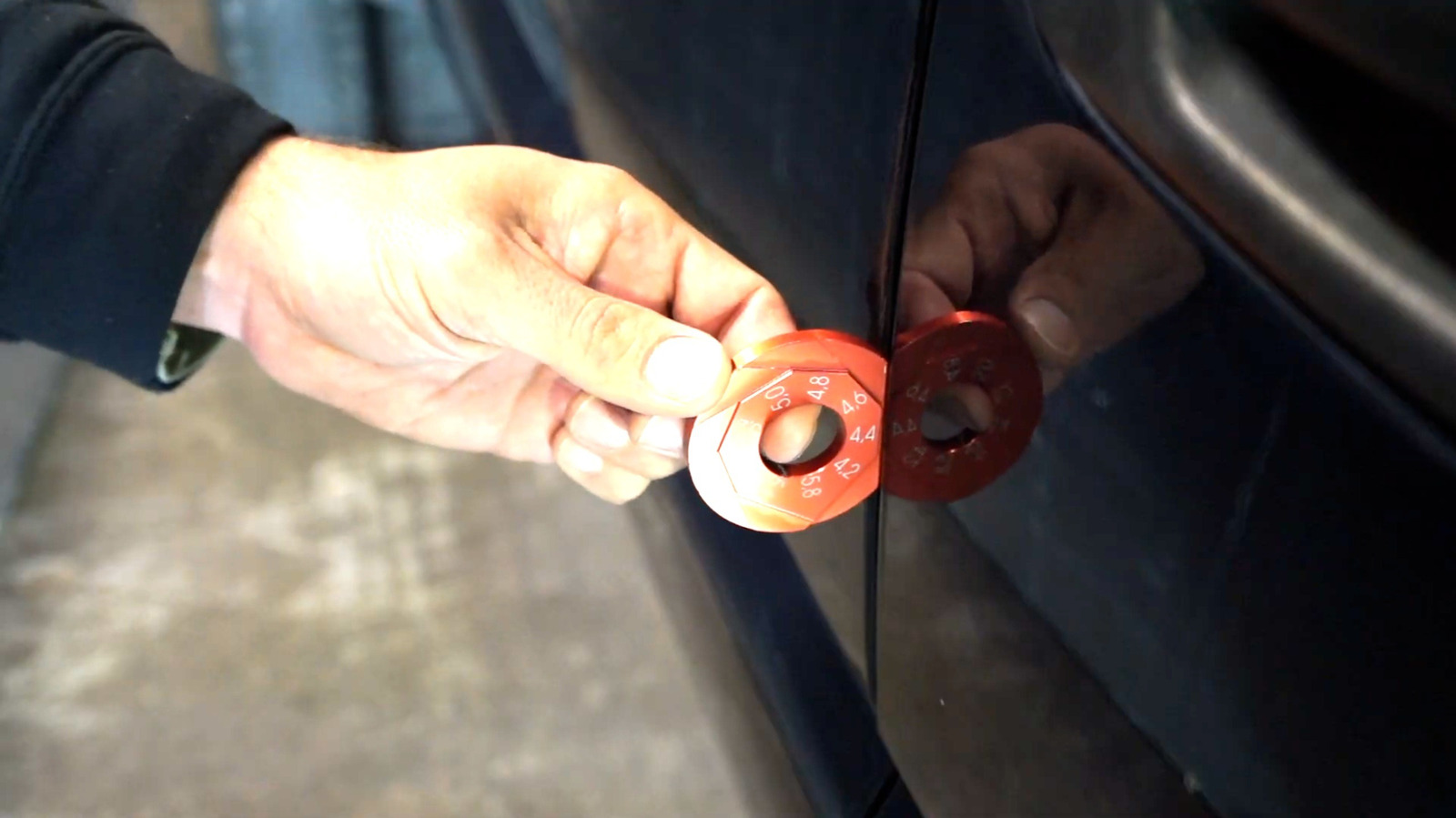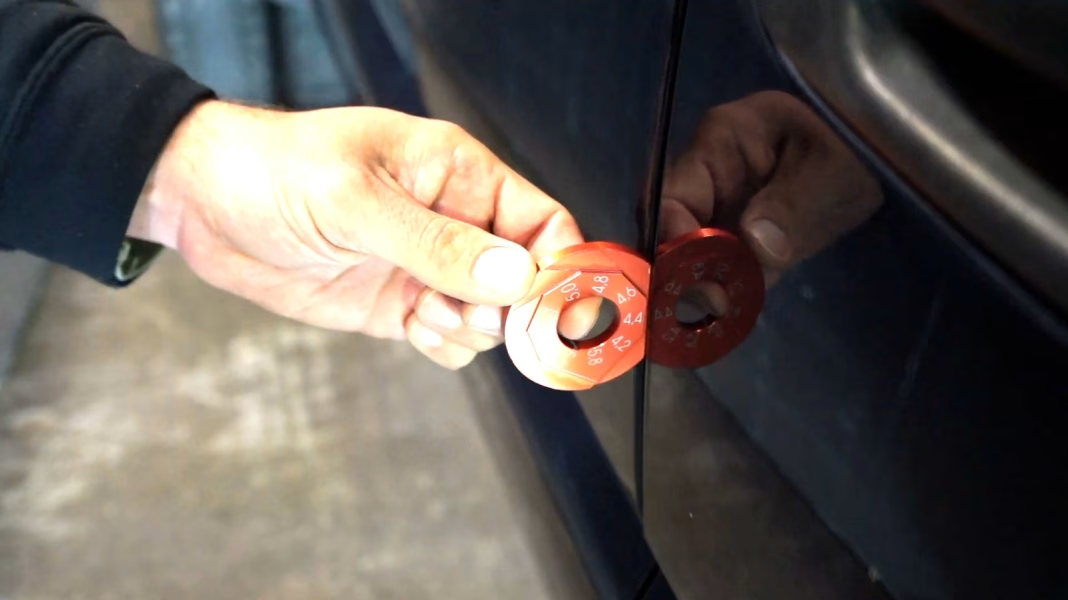
What Are Panel Gaps, and Why Do People Care So Much?
If you’ve ever found yourself squinting at the seams between a car’s doors and fenders, you’re not alone. Panel gaps—the spaces where body panels meet—are a hot topic among car enthusiasts and everyday buyers alike. But what’s the big deal? Are these tiny spaces really worth obsessing over?
Here’s the thing: panel gaps are more than just a matter of looks. They’re a window into how carefully a car was put together. Consistent, tight gaps usually signal precision and attention to detail on the assembly line. When you see uneven or wide gaps, it can raise questions about build quality—or even hint at past damage or repairs. In short, panel gaps are like a car’s handshake: they tell you a lot before you ever get behind the wheel.
Can Panel Gaps Really Reveal a Car’s History?
Absolutely. Let’s say you’re checking out a used car and notice one door sits a little higher than the other, or the trunk lid doesn’t quite line up. That’s not just a cosmetic quirk. It could mean the car’s been in an accident and repaired, sometimes not quite to factory standards. According to a 2023 report from the Insurance Institute for Highway Safety, nearly 20% of used cars with accident histories show visible misalignments in body panels—even after repairs.
Of course, not every uneven gap is a red flag. Sometimes, minor misalignments happen at the factory, especially with mass-produced vehicles. But if you spot inconsistent gaps alongside mismatched paint or signs of fresh sealant, it’s worth digging deeper. Ask for repair records or consider a professional inspection. A little detective work now can save you a world of headaches later.
Do Panel Gaps Affect More Than Just Looks?
You bet. While a perfect seam might look sharp, panel gaps can impact more than curb appeal. Poorly aligned panels can lead to wind noise, water leaks, and even rattling at highway speeds. In some cases, gaps can affect how doors close or how well weatherstripping seals out the elements.
Automakers know this. That’s why luxury brands like Lexus and Mercedes-Benz often tout their ultra-tight panel tolerances—sometimes less than 3 millimeters—as a sign of craftsmanship. But even mainstream brands have stepped up their game. A 2022 J.D. Power study found that consumer satisfaction with vehicle fit and finish, including panel gaps, has steadily risen over the past decade.
Is It Fair to Judge a Car Solely by Its Panel Gaps?
Not really. While panel gaps are a useful clue, they’re just one piece of the puzzle. A car with flawless seams might still have hidden issues—think electrical gremlins or engine trouble. On the flip side, a vehicle with a slightly uneven hood could run like a dream for years.
The smartest approach? Use panel gaps as a conversation starter, not the final word. If you spot something off, ask questions. Check for other signs of trouble, like uneven tire wear or odd noises. And remember, some cars—especially older models or those built in smaller batches—just aren’t going to have laser-straight seams. That doesn’t make them lemons.
How Can You Check Panel Gaps Like a Pro?
You don’t need a ruler or a magnifying glass. Just walk around the car and look at the lines where doors, hood, trunk, and fenders meet. Are the gaps consistent from top to bottom? Do the panels sit flush, or is one sticking out? Run your finger along the seams—you’ll feel misalignments even if you can’t see them right away.
If you’re serious, bring a friend. A fresh set of eyes can spot things you might miss. And if you’re buying from a dealer, don’t be shy about asking for a closer look or a test drive. After all, you’re the one who’ll be living with those quirks.
What’s the Real Value of Paying Attention to Panel Gaps?
Here’s the bottom line: panel gaps aren’t the only thing that matters, but they’re a quick, easy way to gauge a car’s story. They can tip you off to past repairs, hint at build quality, and even save you from future headaches. But don’t let a single uneven seam ruin an otherwise great car.
The big takeaway? Panel gaps aren’t about perfection—it’s about smarter adjustments. Start with one change this week, and you’ll likely spot the difference by month’s end.