Why Do Dodge and Ram Still Use Cast-Iron Engine Blocks?
If you pop the hood of a modern Dodge or Ram truck, you might be surprised to find a cast-iron engine block staring back at you. With all the talk about lightweight materials and high-tech alloys, it’s easy to assume iron blocks are a thing of the past. But here’s the twist: they’re still very much alive and kicking in some of the most popular trucks on the road. So, what’s the story? Why stick with something that seems old-school when the automotive world is obsessed with innovation?
What Makes Cast-Iron Engine Blocks So Tough?
Let’s start with the basics. Cast iron is, quite simply, tough as nails. It’s been the backbone of engine design for more than a century, and for good reason. The material can handle extreme heat and pressure without breaking a sweat. That’s especially important in heavy-duty trucks, where engines are pushed to their limits hauling trailers, climbing steep grades, or idling for hours on end.
Aluminum blocks might be lighter, but they can’t always match the brute strength of iron—especially when it comes to resisting cylinder wear over hundreds of thousands of miles. In fact, a 2022 SAE International study found that cast-iron blocks in commercial vehicles routinely outlast their aluminum counterparts by up to 30% in high-stress environments. For folks who rely on their trucks for work, that kind of durability isn’t just nice to have; it’s essential.
How Does Iron Impact Performance and Longevity?
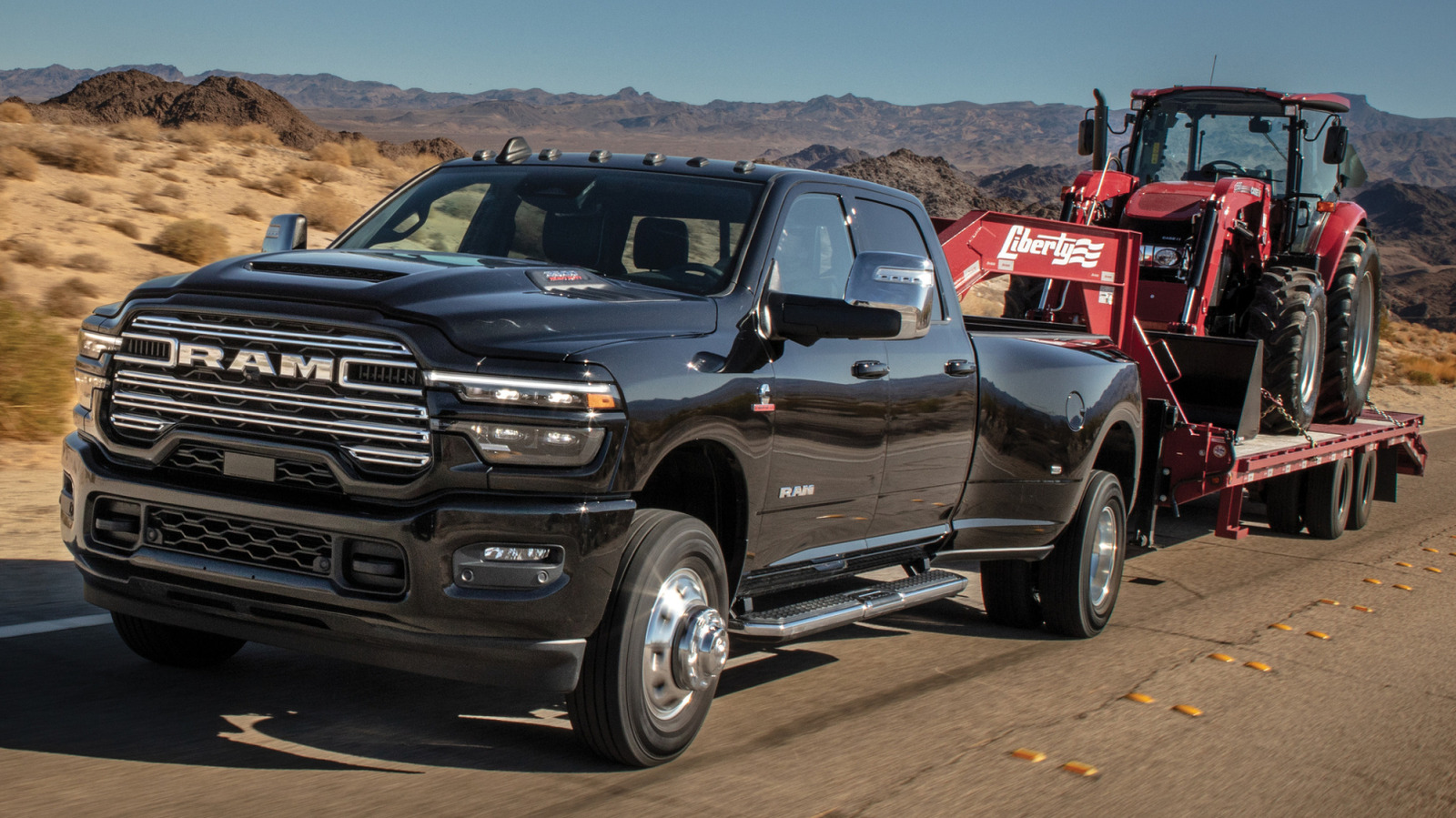
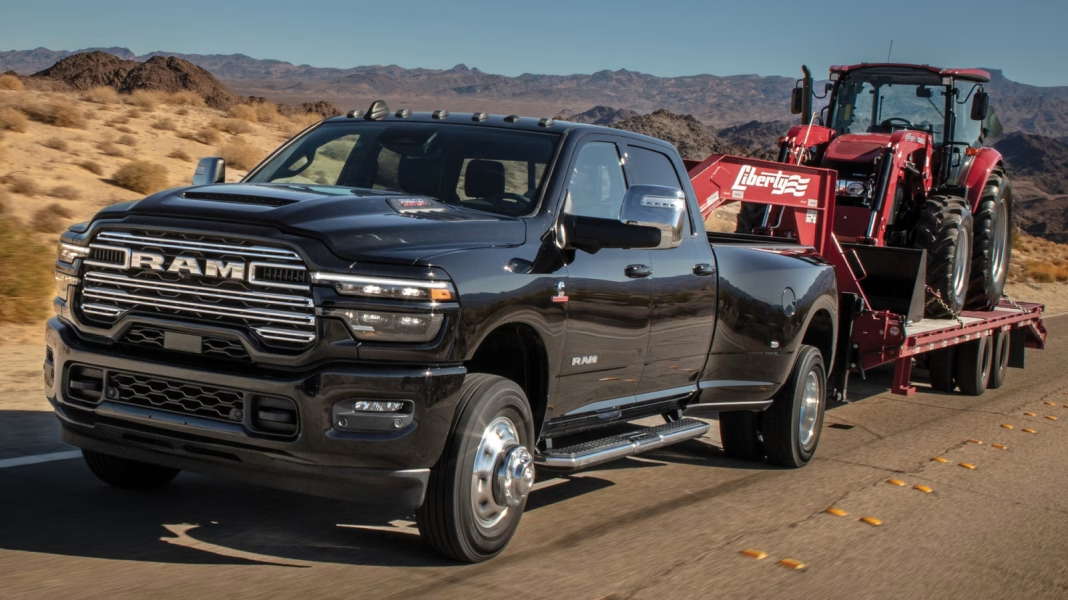
Here’s where things get interesting. While aluminum blocks help shave off weight and boost fuel economy, iron blocks bring something else to the table: long-term reliability. Dodge and Ram engineers know their customers often put their vehicles through the wringer—think construction sites, farm fields, and cross-country hauls. In these scenarios, an engine that can take a beating and keep running is worth its weight in, well, iron.
There’s also the matter of heat management. Cast iron absorbs and dissipates heat more evenly than aluminum, which helps prevent hot spots that can lead to engine knock or premature wear. That’s a big deal when you’re towing a heavy load up a mountain pass in the middle of summer. It’s not just about surviving the journey; it’s about making sure the engine is ready for the next one, too.
Are There Downsides to Using Cast Iron?
Of course, nothing’s perfect. Cast iron is heavier than aluminum, which means vehicles with iron blocks tend to weigh more. That can ding fuel efficiency and make the truck feel a bit less nimble. But for many truck owners, especially those who prioritize strength and longevity, that’s a trade-off they’re willing to make.
There’s also the manufacturing side to consider. Iron blocks are more labor-intensive to produce and machine, which can add to the cost. However, the payoff comes down the road: fewer warranty claims, longer engine life, and a reputation for bulletproof reliability.
Why Do Some Engines Use Aluminum Instead?
You might be wondering why automakers bother with aluminum at all. The answer? It’s all about balance. For smaller vehicles or trucks designed primarily for light-duty use, the weight savings from aluminum can translate into better fuel economy and a smoother ride. Plus, advances in metallurgy have made modern aluminum blocks much stronger than they used to be.
Still, when it comes to heavy-duty applications—think Ram’s Cummins diesel or Dodge’s legendary Hemi V8—iron remains the material of choice. It’s a classic case of using the right tool for the job.
What Does This Mean for Truck Owners?
If you’re in the market for a new Dodge or Ram, knowing what’s under the hood can help you make a smarter choice. If your truck is going to see a lot of hard work, an iron-block engine might be the better bet for the long haul. On the other hand, if you’re mostly commuting or running errands, the lighter aluminum option could save you money at the pump.
It’s also worth noting that resale value tends to be higher for trucks with iron-block engines, especially among buyers who plan to put them to work. That’s not just anecdotal—recent data from Kelley Blue Book shows that heavy-duty pickups with cast-iron engines retain up to 12% more value after five years compared to their aluminum-block counterparts.
The Big Takeaway
Cast-iron engine blocks aren’t about clinging to the past—they’re about making smart choices for real-world durability and performance. The result? Trucks that keep going strong, year after year, even when the going gets tough. Start with one change this week—maybe it’s learning more about what’s under your hood—and you’ll likely spot the difference by month’s end.