Why Do Electric Cars Have Motors Instead of Engines?
If you’ve ever wondered why folks talk about “motors” in electric vehicles (EVs) but “engines” in gas-powered cars, you’re not alone. It’s not just a matter of swapping out words—there’s a real reason behind it, rooted in how these machines work. Let’s break down what’s actually going on under the hood (or, more accurately, under the floor) of your favorite EV.
What’s the Real Difference Between a Motor and an Engine?
Here’s where things get interesting. An “engine,” by definition, is a machine that converts fuel—like gasoline or diesel—into mechanical energy, usually through combustion. Think sparks, explosions, and lots of moving parts. That’s your classic internal combustion engine (ICE).
A “motor,” on the other hand, is a device that turns electrical energy into mechanical energy. No explosions. No exhaust. Just a steady flow of electrons making things spin. That’s why you’ll find motors in everything from your blender to a Tesla Model Y.
So, the key difference? Engines burn stuff. Motors use electricity. Simple, but it changes everything about how a vehicle operates.
How Does an Electric Motor Actually Work in a Car?
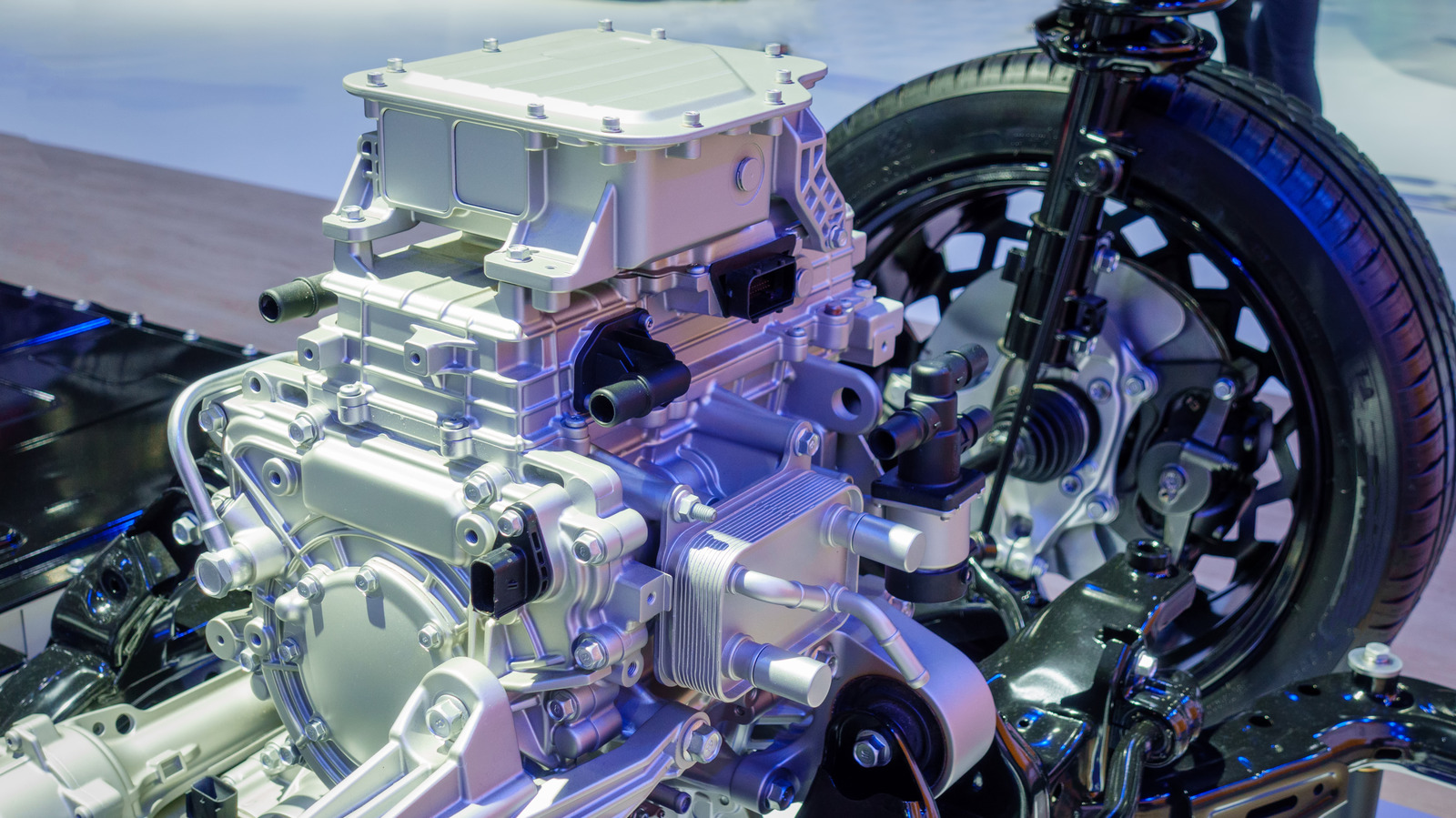
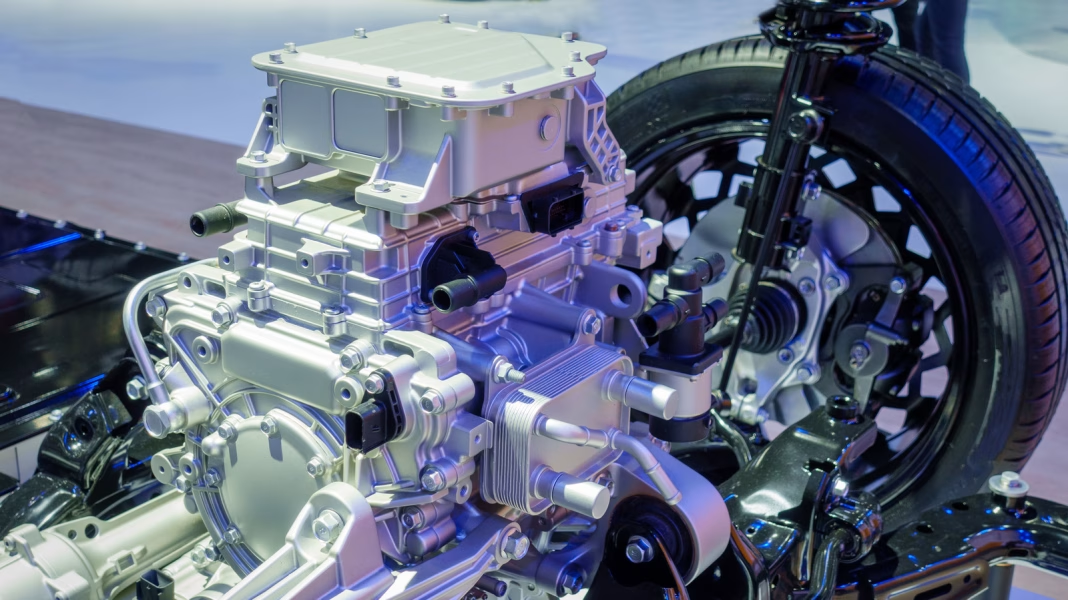
Electric motors in EVs are marvels of modern engineering, but the core idea is surprisingly straightforward. When you press the accelerator, the car’s battery sends electricity to the motor. This electricity creates a magnetic field, which spins a rotor. That spinning rotor turns the wheels. No gears grinding, no oil changes needed.
Most modern EVs use what’s called an AC induction or permanent magnet synchronous motor. These designs are prized for their efficiency and instant torque. That’s why EVs can rocket off the line so quickly—they deliver power right when you ask for it, with no lag.
Why Does This Matter for Everyday Drivers?
Switching from engines to motors isn’t just a technical detail—it changes the entire driving experience. For starters, electric motors are much quieter. You’ll notice the difference the first time you glide away from a stoplight in near silence.
Maintenance is another big win. Electric motors have far fewer moving parts than combustion engines. According to the U.S. Department of Energy, EVs can have up to 60% fewer maintenance costs over their lifetime compared to traditional vehicles. No spark plugs, no timing belts, no oil filters. Just plug in and go.
Are There Any Downsides to Motors Over Engines?
No technology is perfect, and electric motors have their quirks. For one, they rely on large, heavy battery packs, which can add weight and impact range. Charging infrastructure is still catching up in some regions, so long road trips might require a bit more planning.
And while motors themselves are incredibly durable, the batteries that power them can degrade over time. Most manufacturers offer warranties of 8 years or more on EV batteries, but replacement can be costly if you’re unlucky.
What About Performance—Are Motors Really That Much Better?
Here’s where things get fun. Electric motors deliver torque instantly. That means when you hit the accelerator, you get a surge of power right away. No waiting for the engine to “rev up.” This is why even entry-level EVs often feel zippier than their gas-powered cousins.
Take the example of the Porsche Taycan. Its electric motors can propel it from 0 to 60 mph in under three seconds—performance that was once reserved for supercars. And it’s not just about speed. The smooth, linear power delivery makes city driving a breeze.
How Do Motors Impact the Environment Compared to Engines?
One of the biggest selling points for EVs is their environmental impact. Electric motors produce zero tailpipe emissions. According to the International Energy Agency, switching to EVs could cut global CO2 emissions from road transport by more than 50% by 2050, assuming the electricity comes from clean sources.
Of course, building batteries and generating electricity still has an environmental footprint. But as grids get greener, the overall impact of driving an EV keeps shrinking.
Can You Still Call It an Engine Out of Habit?
Old habits die hard. Some people still refer to the “engine” in their EV, but technically, it’s a motor. If you want to sound like you know your stuff at the next car meet, stick with “motor” for electrics and “engine” for anything that burns fuel.
The Big Takeaway
Electric vehicles don’t just swap out one power source for another—they flip the script on how cars move, sound, and feel. The motor isn’t about perfection—it’s about smarter adjustments. Start with one change this week, and you’ll likely spot the difference by month’s end.