What Exactly Does an Oil Extractor Pump Do, and Why Should You Care?
If you’ve ever changed your own oil, you know the drill: jack up the car, crawl underneath, wrestle with the drain plug, and hope you don’t end up with a face full of hot oil. It’s a rite of passage for DIY mechanics, but let’s be honest—it’s messy, time-consuming, and sometimes downright frustrating. That’s where an oil extractor pump steps in. This handy device lets you remove old engine oil from above, usually through the dipstick tube, without ever touching a wrench or getting under the car. The result? Pure magic.
Is an Oil Extractor Pump Really Worth the Investment?
At first glance, an oil extractor pump might look like just another tool you’ll use once and forget. But for anyone who changes oil regularly—whether it’s your own car, a family fleet, or even small engines like lawnmowers—it can be a genuine game-changer. According to a 2023 survey by the National Institute for Automotive Service Excellence, nearly 40% of DIYers cited oil changes as the most dreaded maintenance task, mainly due to the mess and hassle. An extractor pump eliminates most of that, making oil changes cleaner, faster, and less intimidating.
How Does an Oil Extractor Pump Actually Work?
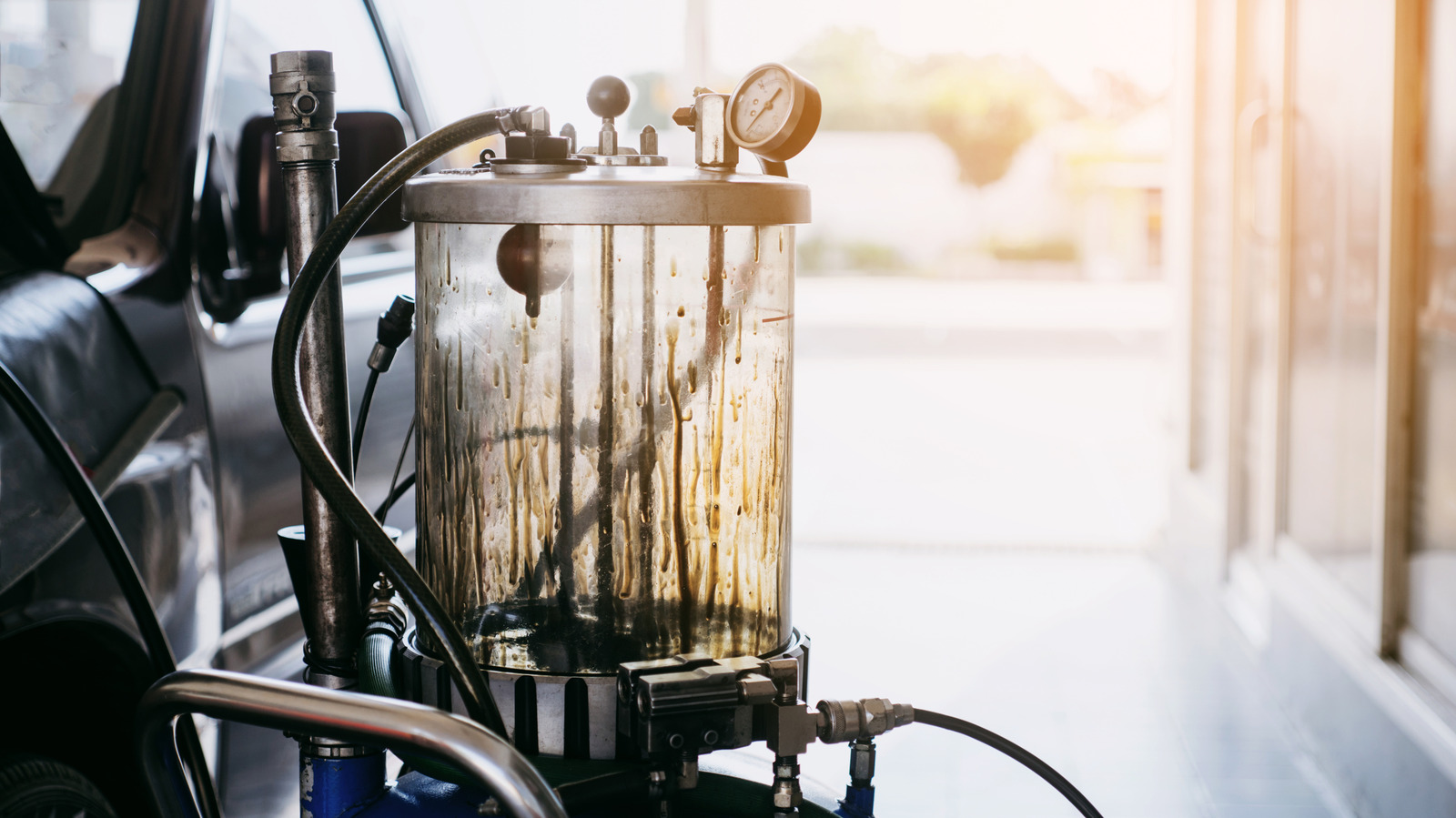
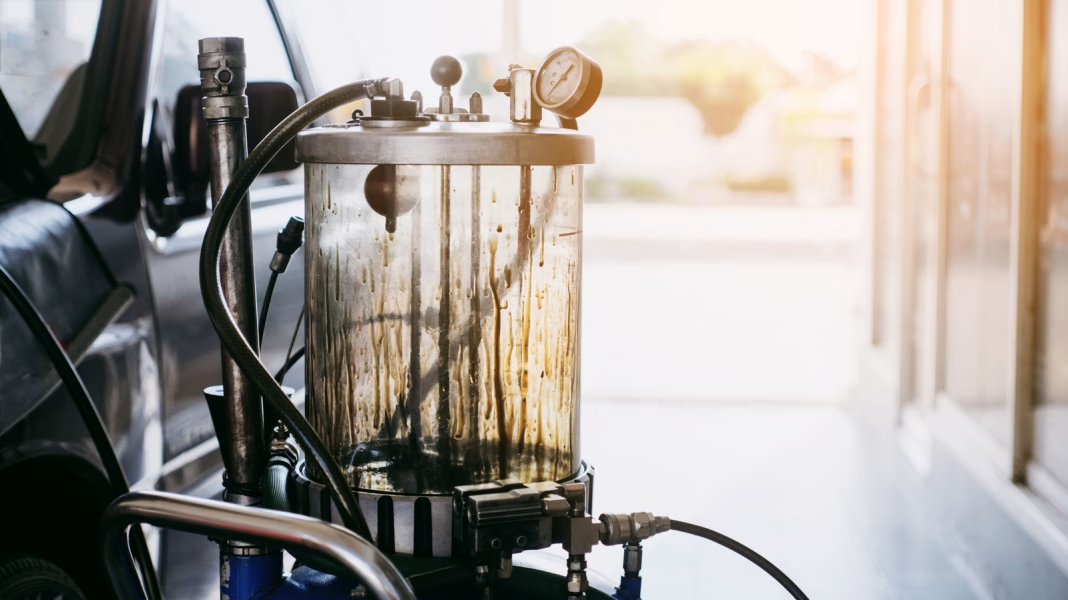
The mechanics are refreshingly simple. Most pumps use either manual suction (think: a big hand pump) or an electric motor to create negative pressure. You insert a thin tube down the dipstick opening, give the pump a few squeezes (or flip the switch), and watch as the old oil gets pulled out into a reservoir. No more crawling under the car. No more stripped drain plugs. And if you’re working in a tight garage or on a car with a tricky underbody, you’ll appreciate not having to jack up the vehicle at all.
Are There Any Downsides or Limitations to Using One?
Let’s keep it real—oil extractor pumps aren’t perfect for every scenario. Some engines have dipstick tubes that are too narrow or oddly shaped, making it tough to get the suction tube all the way to the bottom. And if you’ve got sludge or debris in your oil pan, an extractor might not pull everything out. In those cases, the old-fashioned drain plug method is still king. But for most modern cars and regular maintenance, extractors do a surprisingly thorough job. A 2022 study by Consumer Reports found that, on average, extractor pumps removed 95-98% of engine oil compared to traditional draining.
What Should You Look for When Buying an Oil Extractor Pump?
Not all extractor pumps are created equal. Manual models are affordable and portable, but they can be tiring if you’re dealing with larger engines. Electric versions cost a bit more but save your arms and speed up the process. Look for a pump with a sturdy reservoir, clear tubing (so you can see the oil flow), and easy-to-clean parts. Brands like Mityvac and EWK consistently get high marks from mechanics for reliability and ease of use. And don’t forget to check compatibility with your vehicle—some European cars have unique dipstick designs that may need special adapters.
Can an Oil Extractor Pump Save You Money in the Long Run?
Absolutely. While the upfront cost can range from $30 for a basic hand pump to $100 or more for a heavy-duty electric model, the savings add up quickly. Skipping the shop means you’re not paying labor costs, and you can change oil on your schedule. Plus, you’re less likely to put off oil changes when the process is this easy, which helps your engine last longer. According to the Car Care Council, regular oil changes are the single most important factor in extending engine life—so anything that makes them easier is a smart investment.
What Do Real DIYers Say About Using Oil Extractor Pumps?
Ask around in any car enthusiast forum, and you’ll hear the same thing: once you try an extractor pump, it’s hard to go back. One longtime home mechanic shared that he started using a pump for his family’s three vehicles and now finishes oil changes in half the time, with zero spills on the driveway. Another noted that it’s especially handy for winter maintenance, since you can change oil in a warm garage without ever opening the garage door.
The big takeaway? Upgrading your garage with an oil extractor pump isn’t about perfection—it’s about smarter adjustments. Start with one change this week, and you’ll likely spot the difference by month’s end.