Why Are F1 Cars Covered in Those Weird Grids During Practice?
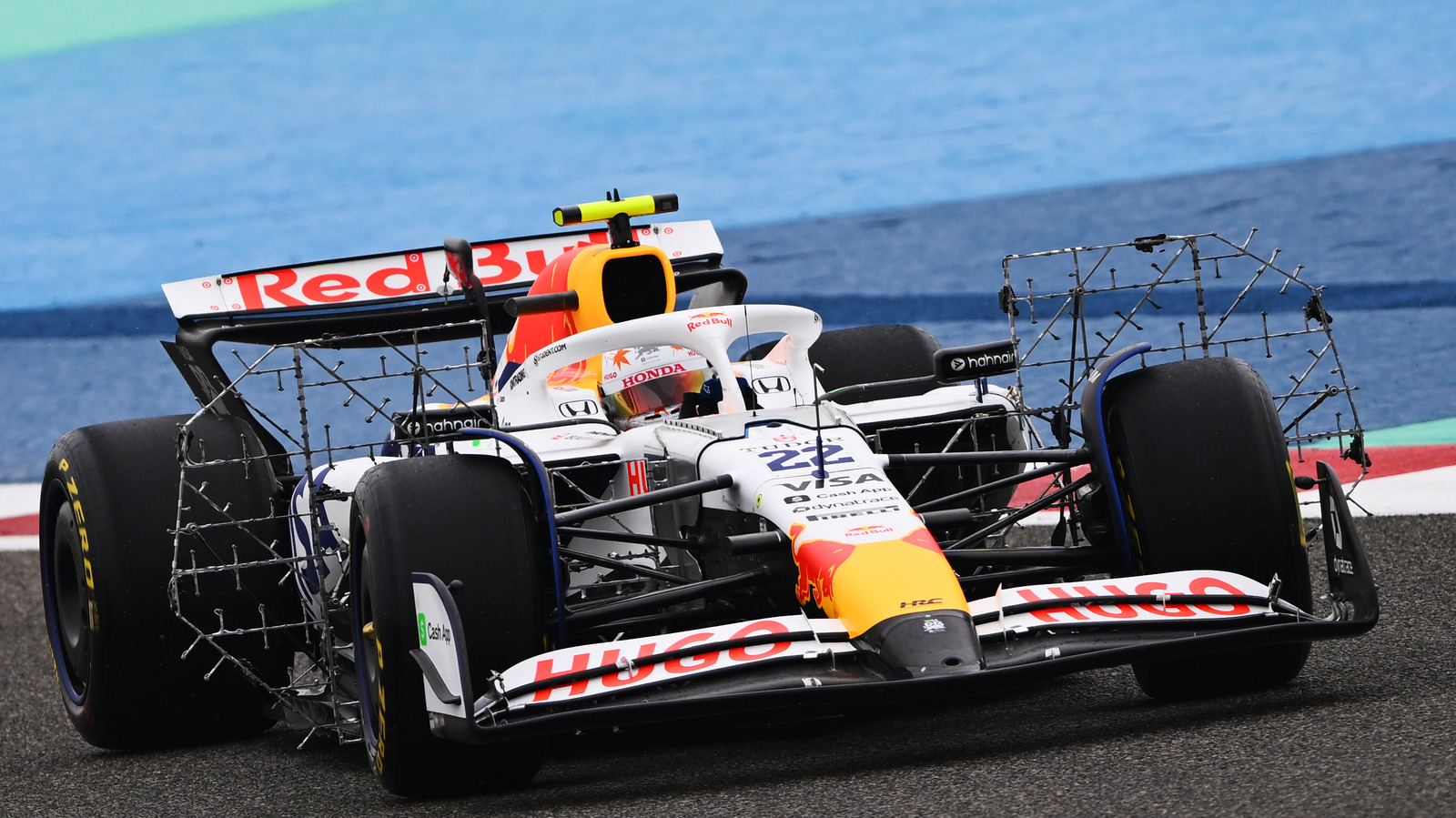
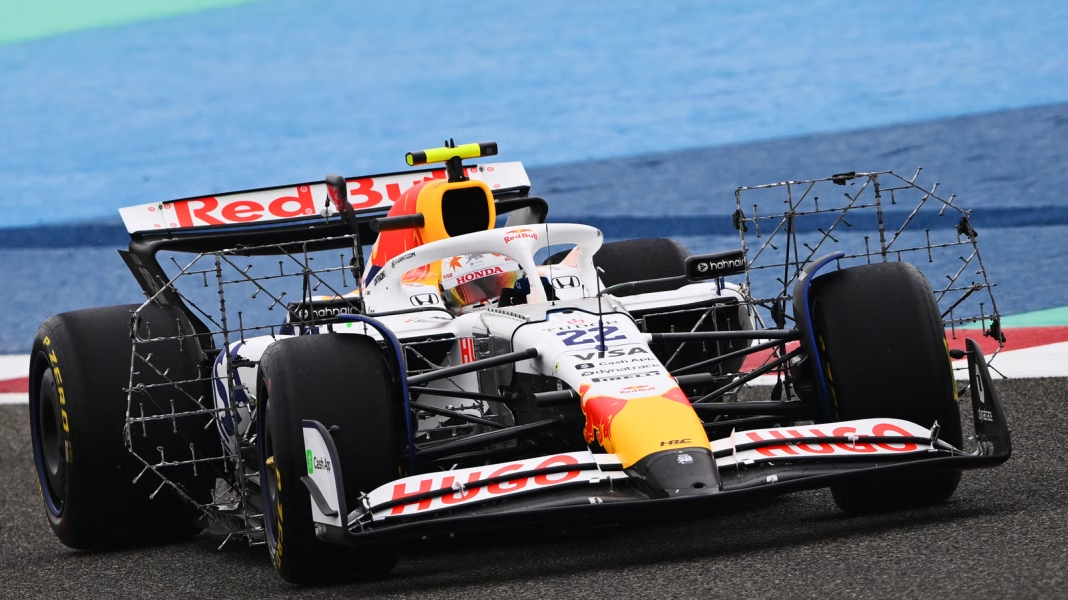
If you’ve ever caught a glimpse of a Formula 1 practice session, you might have noticed something that looks straight out of a sci-fi movie: cars bristling with odd metal grids, sometimes stretching out like wings or fences. These aren’t some kind of futuristic armor or a misguided attempt at car decoration. They’re called aero rakes, and they’re quietly shaping the future of racing—one data point at a time.
What Exactly Are Aero Rakes, and Why Do Teams Use Them?
Aero rakes are lightweight frames fitted with dozens (sometimes hundreds) of tiny sensors. Their job? To map the invisible world of airflow around the car. F1 teams are obsessed with aerodynamics because even the smallest tweak can mean the difference between pole position and the midfield. During practice sessions, teams bolt these rakes onto the car to collect real-world data about how air moves over, under, and around every surface.
Think of it like a wind tunnel on wheels. While teams spend thousands of hours running simulations and testing in wind tunnels, nothing quite matches the complexity of the real track. The data from these rakes helps engineers understand if their designs are working as intended—or if something’s gone sideways.
How Do Aero Rakes Actually Work?
Each little tube or sensor on a rake is called a pitot tube. These measure the pressure and direction of the air at specific points. When the car speeds down the straight, the sensors feed back a torrent of information—sometimes gigabytes per lap—about how the air is behaving. Engineers then compare this to their computer models.
If you’ve ever wondered why a team might spend hours in practice running at a steady pace, seemingly uninterested in lap times, this is often why. They’re gathering crucial data, not chasing headlines.
What Kind of Insights Do Teams Get From This Data?
The real magic happens back in the garage and at team headquarters. Engineers pore over the numbers, looking for discrepancies between what they expected and what actually happened. Maybe the airflow over the rear wing isn’t as smooth as they thought, or turbulent air is causing drag in places they didn’t predict.
Armed with this knowledge, teams can tweak their designs—sometimes overnight. In 2023, for example, several teams credited mid-season upgrades (inspired by aero rake data) for dramatic jumps in performance. It’s not just about going faster in a straight line; it’s about finding balance, stability, and efficiency in every corner.
Are Aero Rakes Unique to Formula 1?
While you’ll see these contraptions most often in F1, other top-tier motorsports use similar technology. Endurance racing teams, for instance, also rely on aero mapping to optimize their cars for long stints. But nowhere is the obsession with detail quite as intense as in Formula 1, where a tenth of a second can separate first from fifth.
What’s the Real-World Impact of All This Testing?
It might seem like overkill, but the relentless pursuit of aerodynamic perfection in F1 has real-world benefits. Technologies developed for racing often trickle down to road cars. Improved fuel efficiency, safer handling, and even the shape of your family sedan’s mirrors owe something to the lessons learned from those odd-looking rakes.
And there’s another angle: the data arms race. Teams that master this process tend to leapfrog their rivals. In a sport where margins are razor-thin, that’s everything.
How Can Fans Spot Aero Rakes, and What Should They Look For?
Next time you’re watching a practice session, keep an eye out for cars running with these metal grids—usually early in the weekend, before qualifying. They’re often painted bright colors or covered in fluorescent flow-vis paint to make airflow patterns visible. It’s a rare peek behind the curtain at the science driving the spectacle.
The big takeaway? F1’s strange-looking aero rakes aren’t about perfection—they’re about smarter adjustments. Start with one change this week, and you’ll likely spot the difference by month’s end. In racing, as in life, it’s the willingness to measure, learn, and adapt that separates the good from the great.