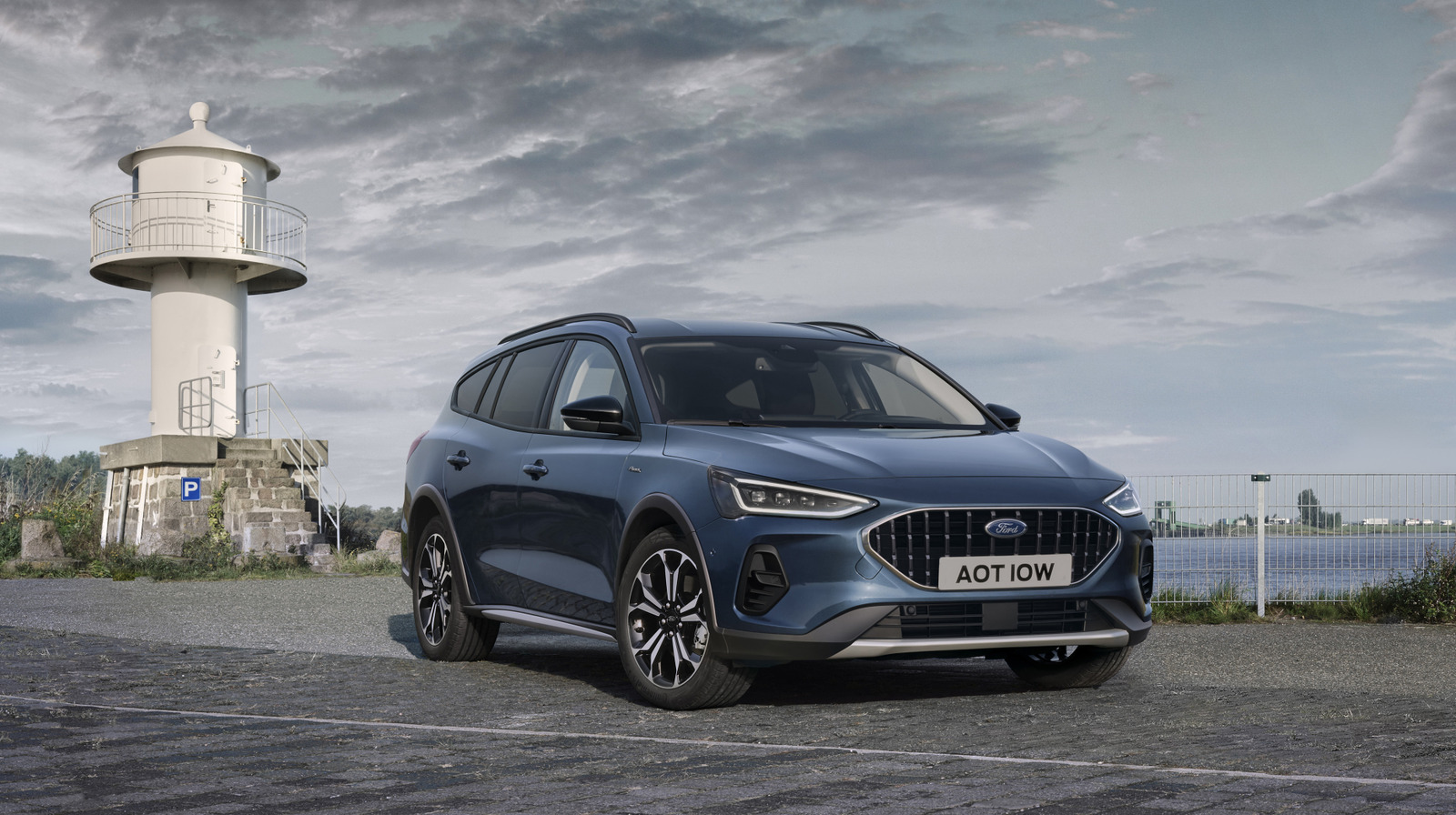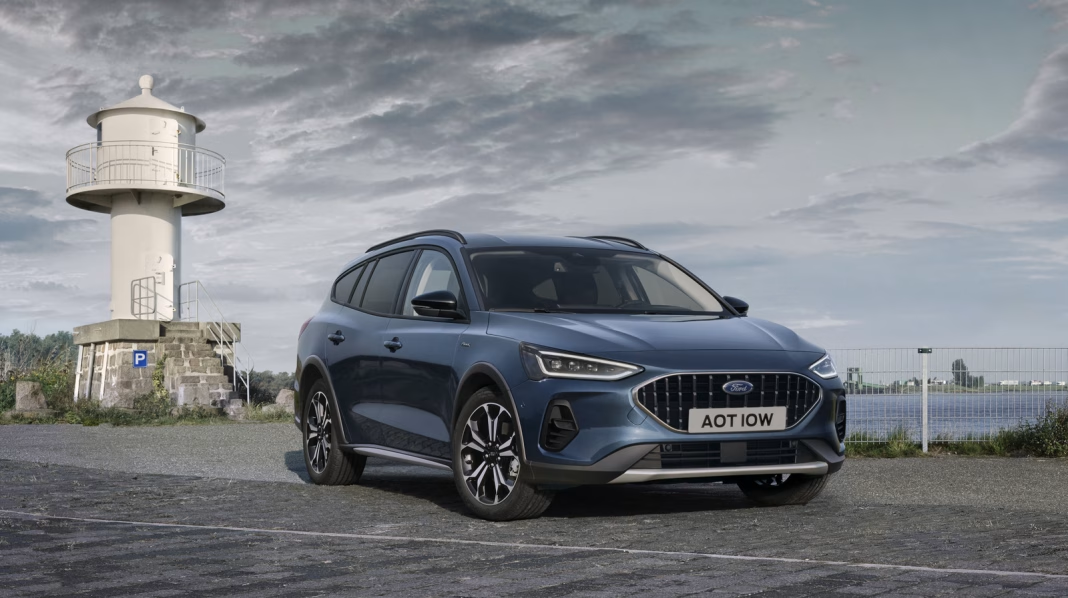
Why Did Ford Drop Small Cars Like the Focus in the US but Keep Them in Europe?
If you’ve been car shopping in the US lately, you might’ve noticed something odd: small cars like the Ford Focus have all but vanished from showrooms. Yet, hop across the Atlantic, and you’ll still see the Focus zipping around European streets. What’s behind this split decision? Let’s dig into the real reasons Ford waved goodbye to its small cars in America but kept them alive and well in Europe.
What Changed in the American Car Market to Make Small Cars Disappear?
The shift didn’t happen overnight. Over the past decade, American drivers have fallen hard for SUVs, crossovers, and trucks. According to data from the Bureau of Transportation Statistics, SUVs and light trucks made up nearly 77% of new vehicle sales in the US by 2023—a dramatic jump from just over 50% a decade earlier. Gas prices, once a major reason to buy a fuel-sipping compact, have stayed relatively stable, making bigger vehicles more appealing.
But it’s not just about what people want. Profit margins on small cars are razor-thin, especially compared to SUVs and trucks. Ford, like other automakers, saw that it could make more money selling a single F-150 than a handful of Fiestas or Focuses. So when the numbers stopped adding up, Ford made the call in 2018 to axe nearly every small car from its US lineup, keeping only the Mustang as a nod to its performance heritage.
Why Do Small Cars Still Thrive in Europe?
Europe tells a different story. Cities are older, streets are narrower, and fuel prices are much higher—sometimes double what Americans pay per gallon. That makes small, efficient cars not just practical but essential. Parking a big SUV in downtown Paris or Rome? Good luck.
On top of that, European governments have pushed stricter emissions standards and offered incentives for compact, low-emission vehicles. The result? Models like the Focus remain popular and profitable in Europe, where buyers value agility, efficiency, and lower running costs.
How Did Ford’s Decision Affect American Drivers?
For many Americans, Ford’s move felt like the end of an era. The Focus and Fiesta were affordable, reliable options for first-time buyers, commuters, and anyone who didn’t need a hulking SUV. Their disappearance left a gap in the market—one that’s been partially filled by imports like the Toyota Corolla and Honda Civic, but not by Ford itself.
Some drivers have turned to the used market, where demand for small, fuel-efficient cars has actually pushed prices up. Others have reluctantly upsized, buying crossovers that offer more space but often at a higher price and with lower fuel economy.
What Does This Mean for the Future of Small Cars in America?
It’s tempting to think small cars are gone for good in the US, but the story isn’t over. With electric vehicles (EVs) gaining traction and urban areas rethinking transportation, there’s a chance for compact cars to make a comeback—just maybe not in the form we remember. Ford and other automakers are investing heavily in EVs, and some of the most promising models are small, city-friendly hatchbacks.
Still, unless American tastes shift or regulations change, don’t expect a flood of new Focuses anytime soon. The market is king, and right now, the king likes his vehicles big.
Is There a Silver Lining for Small Car Fans?
Absolutely. If you love small cars, you’re not out of options. The used market is still rich with choices, and brands like Honda, Toyota, and Hyundai continue to offer new compacts. Plus, as cities invest in better public transit and more people move downtown, demand for smaller, more efficient vehicles could rise again.
The big takeaway? Ford’s decision to drop small cars in the US isn’t about perfection—it’s about smarter adjustments. Start with one change this week, and you’ll likely spot the difference by month’s end. Whether that’s test-driving a compact from another brand or exploring new ways to get around, the key is staying open to what works best for your lifestyle right now.